Art Deco Walk-In Closet: A Practical Guide to Bringing Glamour Home
-
- 58

Introduction
Designing a walk-in closet that feels both glamorous and functional is a project many homeowners dream about. Translating that dream into a real, usable space takes planning. An Art Deco approach offers a timeless solutionâone that blends luxury with structure, making your closet feel like a curated showroom rather than a storage room. This article covers the design principles, materials, colors, lighting, hardware, and storage strategies you need to create a standout art deco closet. You’ll also find common mistakes to avoid and budget-friendly tips. Whether you’re starting from scratch or refreshing an existing space, this guide is for you, built on practical experience rather than just aspirational Pinterest boards. Art Deco isn’t a fleeting trend; it’s a style that adds lasting value and personality to your home. Let’s walk through how to make it work in your walk-in closet.
What Defines an Art Deco Closet? Key Design Principles
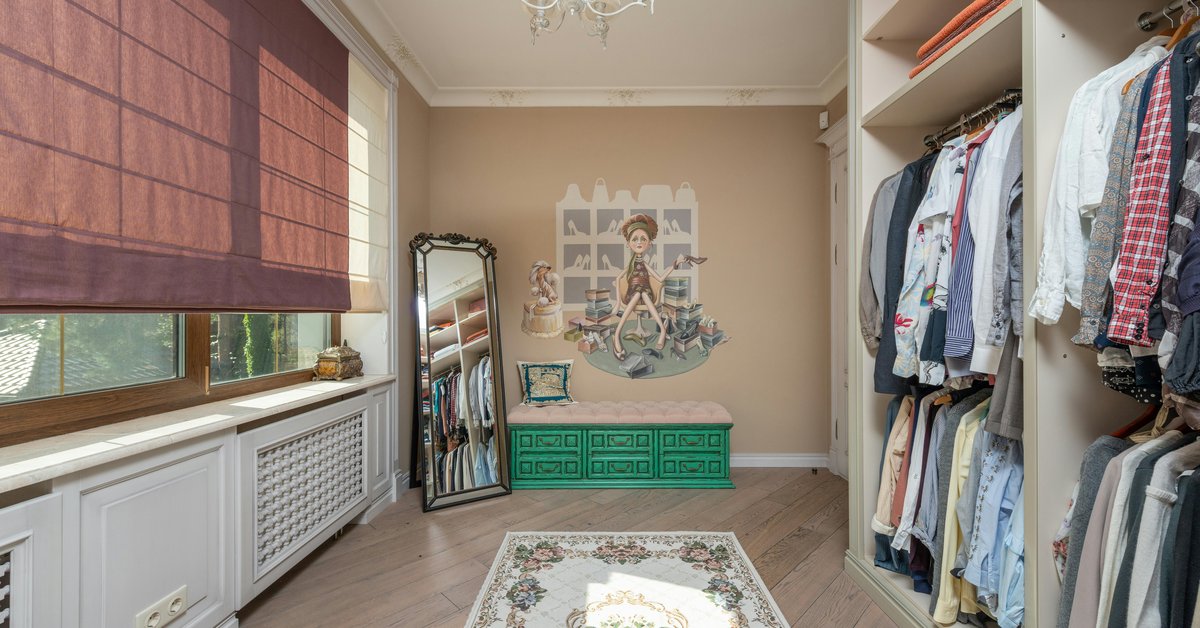
Before buying a single brass handle or roll of wallpaper, it helps to understand what actually defines Art Deco. Plenty of projects fall flat because people grab a few geometric patterns and call it a day. That misses the point. Art Deco is about deliberate geometry, rich materials, and a sense of balanced glamour. It emerged in the 1920s and 1930s as a celebration of modernity and luxury. Think sleek lines, not fussy Victorian scrollwork.
. For more ideas, check out Scandinavian Walk-In Closet Design Inspiration: A.
Core elements include geometric patterns like chevrons, sunbursts, and fans. You see these in rugs, mirror frames, and lighting. Materials matter a lot: brass, lacquer, mirrored surfaces, and marble. These aren’t just decorativeâthey create the tactile feel of the space. Color schemes are bold but refined. Black and gold is the classic anchor, but deep emerald, navy, and amethyst also work beautifully. Symmetry is another hallmark. An Art Deco closet often feels balanced, with matching storage on both sides and a central island or seating.
Scaling these principles to a closet requires thought. What works in a grand living room can feel overwhelming in a smaller space. The trick is to pick one or two bold motifs and repeat them sparingly. For example, a sunburst mirror above a vanity and a matching fan pattern on a rug. Keep the cabinetry clean and let those accents do the work. Symmetry in storage layoutâmatching drawer stacks on both sidesâprovides visual order without needing a lot of pattern. That balance between form and function is what makes an Art Deco closet feel intentional, not cluttered.
Choosing a Color Palette: From Classic Black and Gold to Modern Jewel Tones
Your color palette is the foundation. It sets the mood and ties everything together. For an Art Deco closet, you have a few strong directions to pick from.
Classic Black and Gold: This is the most dramatic option. Black lacquer cabinetry with polished brass hardware and trim. It looks incredible when done right. But dark colors in a small closet can feel like a cave. You need good lighting and plenty of mirrors to bounce light around. If your closet has no windows, this palette can still work if you add multiple light sourcesâoverhead sconces, under-cabinet strips, and a central fixture. It’s best for larger walk-ins where you can create distinct zones.
Jewel Tones: Emerald, sapphire, or deep amethyst walls paired with warm brass accents offer a softer, more modern take. These colors add richness without the stark contrast of black and white. They also hide dust and scuffs better than black. Jewel tones work well in medium-sized closets. Pair them with cream or taupe shelving to keep the space from feeling too heavy. I’ve used emerald green in a client’s closet with brass pulls and a mirrored backsplashâit turned out elegant without being overwhelming.
Neutral Foundation with Metallic Statements: If you’re unsure or want flexibility, start with a neutral baseâcream, taupe, or soft gray. Then add drama through hardware, lighting, and accessories. This is the most forgiving option. You can change your accent colors later without repainting cabinets. It’s also the most budget-friendly route. A cream lacquer cabinet with brass handles and a geometric mirror creates an Art Deco feel without the commitment of a bold wall color.
Decision Tree: Go with classic black and gold if you want maximal drama and have good lighting. Choose jewel tones if you want rich color with more flexibility. Stick with neutrals if you plan to update later or have a smaller budget. Each works, but match it to your space and tolerance for maintenance.
Materials That Matter: Lacquer, Mirrors, Brass, and Marble
Art Deco is a materials-driven style. Get these right, and the rest follows. But not all materials are practical for a closet.
High-Gloss Lacquer: This is a go-to for cabinetry. It provides a sleek, reflective surface that catches light beautifully. I prefer it over matte finishes in a closet because it’s easier to cleanâjust wipe down with a damp cloth. Lacquer also resists moisture better than standard paint, which matters in a space where clothes are stored. You can achieve the look with paint (Benjamin Moore Advance or Sherwin-Williams Emerald Urethane in a high-gloss sheen) or use pre-finished MDF panels from a custom shop. If you’re on a budget, painting existing cabinets in high-gloss is a solid DIY option.
Mirrors: Mirrored surfaces are essential for the Art Deco look and practical for getting dressed. Use them strategically: a full-length mirror on a door, mirrored drawer fronts, or a mirrored backsplash behind a vanity. Back-painted glass or mirror tiles are less expensive than custom mirror work. They also add light and make a small closet feel larger. One caution: mirrored furniture shows every fingerprint. If you go with mirrored drawers, be prepared for frequent cleaning. It’s a tradeoff. If you need a practical solution for adding extra mirror panels, mirror tiles for wall are worth considering as a budget-friendly option.
Brass: Brass hardware and trim add warmth. But not all brass is equal. Solid brass is heavy, durable, and develops a natural patina over time. Plated brass can wear off quickly, especially on high-use items like drawer pulls. I always recommend solid brass for closet hardware. It costs more upfront but won’t look tarnished or flaking after a year. For trim, brass rods or edge details can be sourced from specialty suppliers. If you’re on a budget, look for high-quality plated finishes from reputable brands; avoid the cheapest options on Amazon.
Marble and Quartz: Real marble is beautiful but porous. It stains easily from makeup, jewelry, or spilled perfume. For a closet vanity or island, engineered quartz is a far better choice. It mimics marble without the maintenance. Brands like Caesarstone or Silestone offer white and gray options with subtle veining that fit the Art Deco look. If you must have real marble, seal it annually and use coasters. I learned this the hard way after a client’s marble vanity top got a permanent ring from a bottle of lotion.
Where to Splurge vs. Save: Splurge on hardware and lightingâthey are the jewelry of the room. Save on cabinet construction by using IKEA frames with custom doors or high-gloss paint. Engineered quartz is a middle groundâcosts less than real marble but looks substantially similar. Mirror tiles are cheaper than custom mirrors. Plan your budget around impact items.
Lighting: Layered Glamour Without the Glare
Lighting can make or break an Art Deco closet. It’s not just about seeing your clothesâit’s about setting the mood and highlighting your design choices.
Statement Fixtures: A geometric chandelier or a sunburst sconce acts as a focal point. This is where you bring in the fan or chevron motifs. Choose fixtures with brass or chrome finishes. For ambient light, a central fixture works well in larger closets. In smaller spaces, wall sconces on either side of a mirror avoid overhead shadows.
Task Lighting: This is where practicality meets glamour. LED strip lights under cabinets or inside drawers make it easy to find that specific shirt or watch. Puck lights work well for shelves. I always recommend warm color temperatureâ2700K to 3000K. That warm light enhances brass tones and makes the space feel inviting. Cool light (4000K+) can make gold look greenish and is less flattering for trying on clothes. For those looking to add led strip lights for cabinets, this can be a straightforward way to improve visibility and ambiance.
Common Mistake: Relying only on overhead lighting creates harsh shadows when you’re standing at a mirror. Your face will be in shadow. Always add wall sconces or a lighted mirror. For a vanity, place sconces at eye level on either side of the mirror. This eliminates shadows and gives you even light for makeup or grooming.
Fixture Recommendations: For a small closet (under 30 sq ft), a single flush-mount geometric fixture plus under-cabinet LEDs is sufficient. For medium closets (30-60 sq ft), a small chandelier or semi-flush mount plus sconces works. For large closets, you can do a central chandelier, perimeter soffit lighting, and task lights. Always add a dimmer switchâit allows you to adjust the mood from bright and functional to soft and luxurious.
Hardware and Accents: Handles, Knobs, and Trim That Pop
Hardware is like jewelry for your closet. It’s the detail people notice first. In an Art Deco scheme, hardware shapes and finishes are critical.
Finishes: Polished brass is the classic choice. It catches light and pairs well with black, navy, or cream. Brushed nickel offers a slightly cooler look that works with silver or chrome accents. Black matte creates high contrast on brass or warm tones. Stick to one finish for consistencyâmixing polished brass and brushed nickel in the same space looks disjointed.
Shapes: Geometric handlesâhexagonal, stepped, or curved backplatesâare quintessential Art Deco. Look for designs that feel architectural. Simple curved pulls also work, especially for a more subtle look. Avoid ornate floral or overly decorative hardware; it conflicts with the clean line aesthetic. I’ve found that 6-inch to 8-inch bar pulls with a stepped profile look great on drawers, while round or hexagonal knobs suit cabinet doors. Homeowners wanting that signature look can explore art deco cabinet hardware to find shapes and finishes that match their vision.
Where to Use Them: Drawers, cabinet doors, and even as towel hooks or tie racks. For larger drawers, a single centered pull or a pair of pulls spaced evenly works. For tall cabinets, use vertical pulls or multiple pulls aligned with the doors. Keep the spacing consistent for visual rhythm.
Caution: Don’t overload a small closet with too many accent types. Choose one or two motifsâsay a stepped pull and a hexagonal backplateâand repeat them. Too many shapes create visual chaos. I once saw a closet with three different hardware styles and a patterned wallpaperâit was overwhelming. Stick to a simple hardware family and let it be a cohesive accent.
Storage Solutions That Honor the Art Deco Aesthetic
This is where function meets form. Your storage system needs to work hard while looking like it belongs in a vintage hotel lobby.
Open Shelving: Clean-lined shelves are very Art Deco. Use them for shoes, folded sweaters, or handbags. what matters is symmetry: matching shelves on both sides of a closet create balance. Open shelving is accessible, but it demands neatness. If you tend to pile things, consider closed cabinets for the items you don’t want on display.
Glass-Front Cabinets: These are perfect for display piecesâhandbags, hats, or jewelry. The glass keeps dust off while showing off your collection. Use brass or chrome framing for the glass doors. Avoid frosted glass; clear glass lets the items shine.
Velvet-Lined Drawers: These are a must for jewelry or accessories. The soft lining adds a touch of luxury and protects delicate pieces. You can get drawer organizers or line existing drawers with velvet inserts. This is an easy DIY upgrade.
Pull-Out Tie Racks and Belt Hangers: These maximize vertical space. Install them on the inside of cabinet doors or in shallow drawers. They keep accessories organized without taking up a lot of room.
Comparison: Open shelving (recommended for display items, easy access, but requires tidiness) versus closed cabinets (hides clutter, more formal look, but feels heavier). I generally advise a mix: use open shelves for items you wear often or want to show off, and closed cabinets for seasonal or less-used items. In a small closet, prioritize hanging space and drawers over shelves. You need room for clothing first.
Island Storage: If you have space for an island, make it multi-functional. A marble or quartz top works for folding and display. Drawers on both sides for accessories. Add brass pulls. The island becomes the centerpiece of your closet.
Furniture and Seating: Adding a Vanity or Bench
A few furniture pieces can improve your closet from efficient to luxurious. But be strategicâclosets have limited square footage.
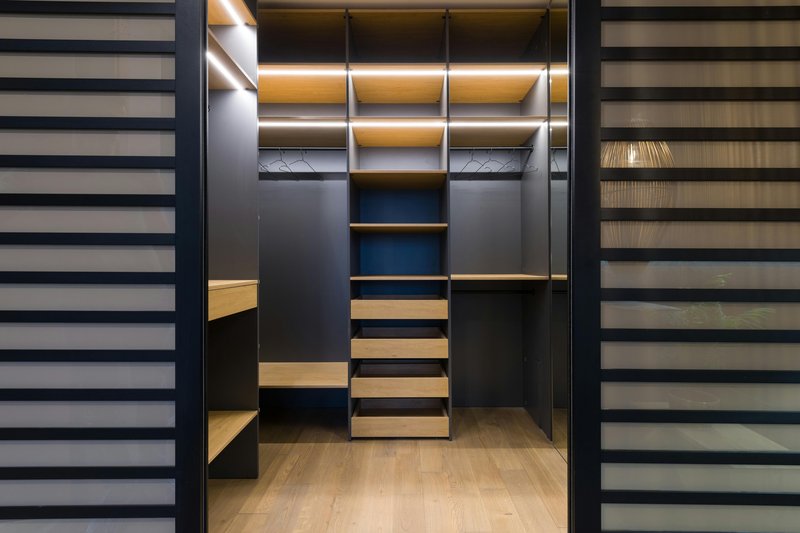
Vanity: A compact vanity with a mirrored top is a classic Art Deco addition. Look for designs with brass legs and a lacquer finish. If space is tight, a wall-mounted floating vanity works. Add a stool or small chair with geometric legs. The vanity becomes your dressing station.
. If you’re interested in related upgrades, see our guide to Industrial Pipe Walk-In Closet: Urban and.
Bench or Ottoman: A velvet tufted bench adds texture and provides a place to sit while putting on shoes. Choose one with brass legs or nailhead trim for that Art Deco touch. If floor space is limited, a fold-down bench that attaches to the wall is a smart solution.
Display Shelf: A shelf for handbags or hats can double as art. Use a brass or chrome ladder shelf or a floating glass shelf with metal brackets. Keep it low profile to avoid visual weight.
Sizing Advice: For a standard walk-in closet (say 6×8 feet or larger), a small bench or vanity stool is fine. For smaller spaces, a slim console table against a wall can serve as a vanity without taking up floor space. I’ve seen people try to fit a full dressing table in a 5×6 closetâit just doesn’t work. Measure your clear floor space after accounting for storage and walking paths. You need at least 3 feet of clearance in front of cabinets or a vanity.
Mistake to Avoid: Over-furnishing a small closet. One or two pieces maximum. If you can’t move freely past the bench, skip it. Function must come first.
Flooring and Wall Treatments: The Foundation of Glamour
The floor and walls set the stage. They don’t have to be the most expensive items, but they need to tie the room together.
Flooring Options: Black and white geometric tile is the quintessential Art Deco floor. Diamond, checkerboard, or hexagon patterns create instant drama. It’s durable and easy to clean. The downside is cost and installation complexity. A more budget-friendly alternative is wide-plank dark wood with a high-sheen finish. It adds warmth without the pattern overload. For comfort, a low-pile patterned carpet can work in larger closets, but it shows dirt more than hard surfaces.
Wall Treatments: This is where you can introduce pattern without overwhelming the space. Wallpaper with metallic stripes, geometric motifs, or subtle fan patterns works beautifully. Use it on one accent wallâthe wall behind the main mirror or the vanity. For the other walls, stick to a rich paint color: black, emerald, or navy. Wainscoting in a high-gloss finish adds architectural interest without needing wallpaper.
Budget Considerations: Wallpaper is cost-effective but less durable than paint. In a closet, it’s less likely to get damaged than in a high-traffic hallway, so it’s a reasonable choice. Tile is more durable but higher upfront cost and installation. I recommend wallpaper for accent walls only in closets; it’s replaceable if you change your mind. Paint is always the most budget-friendly option for walls.
Real-World Tip: Use area rugs to define zones. A small rug in front of the vanity or in the seating area breaks up the flooring and adds color. Choose a geometric patternâchevron or sunburstâto reinforce the Art Deco theme. It’s also easier to replace a rug than refinish a floor.
Where to Shop: Retailers and Materials for Art Deco Closet Projects
You don’t need a single high-end boutique to pull this off. Mixing sources keeps costs manageable and adds personality.
Cabinetry and Shelving: For budget, IKEA’s PAX system is the workhorse. Get the basic frame and add custom doors or high-gloss paint. For a more custom look without the custom price, look at semi-custom lines from companies like Closet Factory or California Closets. But for most DIYers, IKEA with upgrades is the sweet spot.
Hardware: Amazon has a wide selection of geometric brass pulls. Search for ‘hexagonal drawer pull’ or ‘stepped cabinet handle.’ Etsy is great for unique vintage or reproduction Art Deco hardware. If you want solid brass, consider specialty suppliers like Rejuvenation or House of Antique Hardware.
Lighting: Wayfair and Lamps Plus carry statement fixtures like sunburst chandeliers or geometric sconces. For something more specific, search for ‘Art Deco flush mount light’ or ‘geometric sconce.’ Local lighting stores sometimes have showrooms where you can see the fixture in person.
Mirrors: Online mirror retailers like Mirrorlot or simple glass shops can cut mirror tiles to size. For a custom shape (sunburst, arched), Etsy artisans often offer affordable options. I’ve used mirror tile sheets from home improvement stores for a budget-friendly backsplash.
Accents: HomeGoods, T.J. Maxx, and flea markets are goldmines for velvet hangers, throw pillows, and small decorative objects. You don’t need to buy everything new. Mixing a vintage brass vase with a new piece creates depth.
Affiliate-Friendly Mention: Look for velvet hangers in deep jewel tones, LED strip lights with a warm color temperature, and solid brass pulls. These are inexpensive upgrades that make a big visual impact.
Common Mistakes When Designing an Art Deco Closet (And How to Avoid Them)
Having worked on several closet projects, I’ve seen the same mistakes repeat. Here are the ones worth avoiding.
1. Going Overboard with Patterns. It’s tempting to use chevron wallpaper, a sunburst mirror, a geometric rug, and stepped hardware all in one room. But you end up with visual noise. Choose one dominant motifâsay the sunburstâand repeat it sparingly. Use that motif in the mirror, maybe a rug, and keep the rest clean. Too many patterns clash and feel chaotic.
Do This Instead: Pick one focal motif. Use it in two to three places max. Let the rest of the space be neutral or tonal. You want harmony, not a pattern explosion.
2. Ignoring Storage Practicality. A glamorous closet is useless if you can’t find your clothes. Too many designs prioritize looks over functionâtoo many open shelves that don’t hold enough, too few hanging rods, shallow drawers that only hold a single layer of t-shirts. Always prioritize hanging and drawer space over decorative features. Measure your longest garment (full-length dress or coat) and ensure your hanging rod is high enough. Don’t sacrifice storage for a decorative shelf you never use.
Do This Instead: List your storage needs before you design: hanging space, drawer space, shelf space for shoes, accessories. Design around those numbers. Add decorative elements after the function is solved.
3. Using Too Much Dark Color Without Balanced Lighting. Black walls with a single overhead light will make your closet feel like a cave. Dark colors absorb light. If you use them, you must add multiple light sourcesâsconces, LED strips, a central fixture. Without that, the space feels cramped and gloomy.
Do This Instead: If you use dark colors, add at least three light sources: ambient (overhead), task (under-cabinet), and accent (sconces or a lighted mirror). Test the lighting at night with the closet doors closed. You want even, warm light.
4. Buying Cheap Hardware That Tarnishes Quickly. I’ve seen it too many times. A set of cheap brass-look pulls from Amazon starts tarnishing or losing its finish within months. This is not a place to go ultra-budget. Hardware handles daily use. If it looks cheap, it drags down the whole closet.
Do This Instead: Buy solid brass or high-quality plated finishes from reputable brands. Read reviews that mention durability. You don’t need to spend a fortune, but avoid the lowest price points. A set of quality pulls costs more upfront but lasts for years without discoloration.
Art Deco Closet on a Budget: How to Get the Look Without the Price Tag
You don’t need a full custom millwork budget to get an Art Deco feel. The style actually lends itself well to smart DIY upgrades.
Paint Existing Cabinets: High-gloss lacquer paint transforms basic cabinets. Use a paint sprayer or high-quality brush for a smooth finish. Paint them black, emerald, or cream. That single change shifts the whole room. I’ve done this on an old IKEA PAX system, and it looked like a completely different setup.
Swap Hardware: This is the easiest, most impactful change. Replacing standard knobs with geometric brass pulls costs under $50 for a small closet. It instantly adds Art Deco character.
Add a Mirrored Wall: Mirror tile sheets from a home improvement store are cheap and easy to install with adhesive. Put one behind a shelf or on a closet door. It adds light and space.
Buy a Budget Light Fixture: A simple geometric chandelier from Wayfair or Amazon can be had for $50-$100. Remove the builder-grade flush mount and install this. It becomes the focal point.
Repurpose and Thrift: Spray-paint thrifted knobs in gold or brass. Use peel-and-stick wallpaper for an accent wall. Build a simple island from pre-made cabinets and a countertop remnant. I’ve seen people create stunning closets with IKEA carcasses, custom paint, and thrifted mirrors.
Cost-Saving Decision: Prioritize high-impact items: hardware and lighting. These are seen and touched every day. Save on cabinetry by using IKEA or painting existing pieces. Don’t skimp on the items that create the tactile luxury experienceâhandles that feel solid, lights that glow warm.
Final Thoughts: Your Art Deco Closet, Your Way
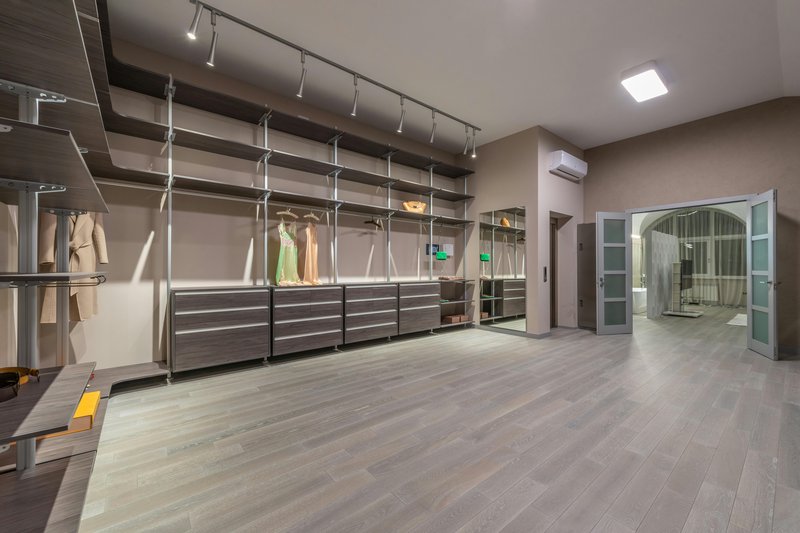
Creating an Art Deco closet is about intentional choices. Start with a clear color palette and build around it. Invest in quality hardware and lightingâthese are the details that define the look. Balance glamour with function. Closets are, above all, practical spaces. You need to store clothes efficiently. Don’t let aesthetics override usability. And don’t be afraid to mix high and low. An IKEA frame with a brass pull and a custom mirror is just as effective as a fully custom build.
. If you’re interested in related upgrades, see our guide to How to Design a Hollywood Regency Walk-In Closet:.
My advice? Start with one element. Swap out your hardware or add a geometric light fixture. See how that one change feels. Then build from there. Small steps lead to a cohesive, beautiful space that reflects your style and serves your needs. Ready to explore? Start with your hardware choices and see where the design takes you.
Plan an Art Deco inspired walk-in closet that blends vintage glamour with modern function. This practical guide covers materials, colors, hardware, lighting, and storage solutions.
Plan an Art Deco inspired walk-in closet that blends vintage glamour with modern function. This practical guide covers materials, colors, hardware, lighting, and storage solutions.