Walk-In Closet Flooring Options: Style and Durability
Walk-In Closet Flooring: A Practical Guide to Style and Durability

Picking out flooring for a walk-in closet seems straightforward until you start weighing the details. You want something that looks good, but the floor in a closet takes more abuse than most people expect. Between the constant foot traffic from getting dressed, the weight of rolling shoe carts, and the occasional dropped hanger or perfume bottle, your closet floor needs to be tough. Over years of remodeling closets, I’ve seen what works and what doesn’t. This guide covers the real trade-offs so you can pick a floor that looks great and holds up for the long haul.

Why Flooring Matters in a Walk-In Closet
It’s easy to think of closet flooring as just a decorative choice. But a walk-in closet is a high-traffic zone with its own set of demands. You’ve got the constant movement of hangers, the scraping of shoe soles, and the occasional spill from a water bottle or skincare product. If your closet connects to a bathroom, humidity is a real factor that can warp wood over time. Then there’s the weight of dressers and the wheels of storage carts that roll back and forth daily. Unlike a bedroom where furniture stays put, a closet sees a lot of dynamic activity.
Durability is the biggest consideration. After that comes comfort underfoot, especially if you spend time standing while choosing outfits. Moisture resistance matters more than you’d think, especially in closets attached to bathrooms or below grade. And cleaning has to be easy because dust and lint accumulate fast. This isn’t just about aesthetics. It’s about choosing a floor that works hard for you every day.
Hardwood Flooring: The Classic Choice
Hardwood brings a timeless, premium feel that elevates any closet. It adds resale value and offers a huge range of stains and finishes. But it’s not for every situation. Solid hardwood is sensitive to moisture and humidity changes, so it’s a bad fit for closets near bathrooms or in basements. Scratches from shoes or sliding storage boxes are a real concern, and refinishing a closet floor is a hassle because of the tight space.
I once installed engineered hardwood in my own closet instead of solid. That closet connects to a master bathroom, and the humidity from showers would have been too risky for solid planks. Engineered hardwood has a real wood veneer but a more stable plywood core, so it handles moisture better. It still looks like real wood and can be refinished once or twice. For a walk-in closet that’s dry, spacious, and not below grade, solid hardwood is a beautiful choice. For anything else, engineered is the smarter play. Compared to laminate, hardwood feels more solid underfoot but costs significantly more and requires more maintenance. Homeowners who want an authentic wood look may want to browse engineered hardwood options on Amazon to compare styles and prices.
Laminate Flooring: Budget-Friendly Durability
Laminate has come a long way. It’s basically a photograph of wood sealed under a durable wear layer, and it’s one of the best values for closet flooring. The construction is layered: a moisture-resistant core, a high-resolution image layer, and a tough clear coat on top. For a walk-in closet, look for an AC3 or AC4 rating. AC3 handles moderate traffic, while AC4 is better for high-traffic areas and will last longer in a busy closet.
The biggest advantages are scratch resistance and ease of installation. Laminate clicks together as a floating floor, so you don’t need glue or nails. That makes it a solid DIY project for a weekend. Water-resistant laminate options are now common, which helps with spills and humidity. On the downside, laminate can feel hollow underfoot if you don’t use a good underlayment. It’s also nearly impossible to repair a damaged plank without disassembling the floor from the wall, so you have to be careful. If you want a hardwood look on a budget, laminate is a strong contender. Check out a popular AC4-rated laminate option on Amazon to get started.

Luxury Vinyl Planks: The Waterproof Hero
Luxury vinyl plank (LVP) is my go-to recommendation for many walk-in closets, especially those with humidity concerns. It’s 100% waterproof, so spills, damp shoes, or even a leak from an upstairs bathroom won’t ruin it. The material is softer and warmer underfoot than tile or laminate, and the click-lock installation is very DIY-friendly. The best LVP looks surprisingly realistic, with embossed textures that mimic wood grain.

I installed LVP in a mudroom-closet combo a few years ago, and it’s held up to wet boots, muddy dog paws, and rolling tool boxes without a scratch or stain. Brands like LifeProof and Coretec are well-regarded for their rigid core construction, which prevents dents from heavy furniture. The downsides? LVP can fade if exposed to direct sunlight for long periods, so consider that if your closet has a window. It’s also not as eco-friendly as natural materials, and some planks off-gas initially, so letting them air out before installation is a good idea.
If you have kids or pets tracking in dirt, LVP is the most practical choice. It cleans up with a damp mop, and it won’t swell at the edges like laminate can. For humid closets or basements, skip the wood and go straight to LVP. See some top-rated LVP options on Amazon for inspiration.
Carpet: Soft and Cozy, but Is It Practical?
Carpet is the most common closet flooring, and it’s also the one I see people regret most often. It feels great on bare feet and dampens sound, which is nice in a dressing area. But the practical downsides are significant. Shoes bring in dirt and moisture, and carpet traps both. Stains from spilled lotion or dropped makeup are nearly impossible to fully remove. Over time, foot traffic creates matted paths that look worn. And if you have allergies, carpet harbors dust mites and pet dander.
I once installed plush carpet in a closet, and within a year, every heel mark showed as a permanent indent. It looked messy no matter how much I vacuumed. If you really want carpet, there are smarter ways to go. Use low-pile carpet or carpet tiles instead. Low-pile is easier to clean and less prone to matting. Carpet tiles let you replace individual squares if one gets stained. A better strategy is to use carpet only in a dressing area away from the main entry point, and use a hard surface near the door and shoe storage. That way you get comfort where it matters without sacrificing practicality.
Tile and Stone: Elegance with a Trade-Off
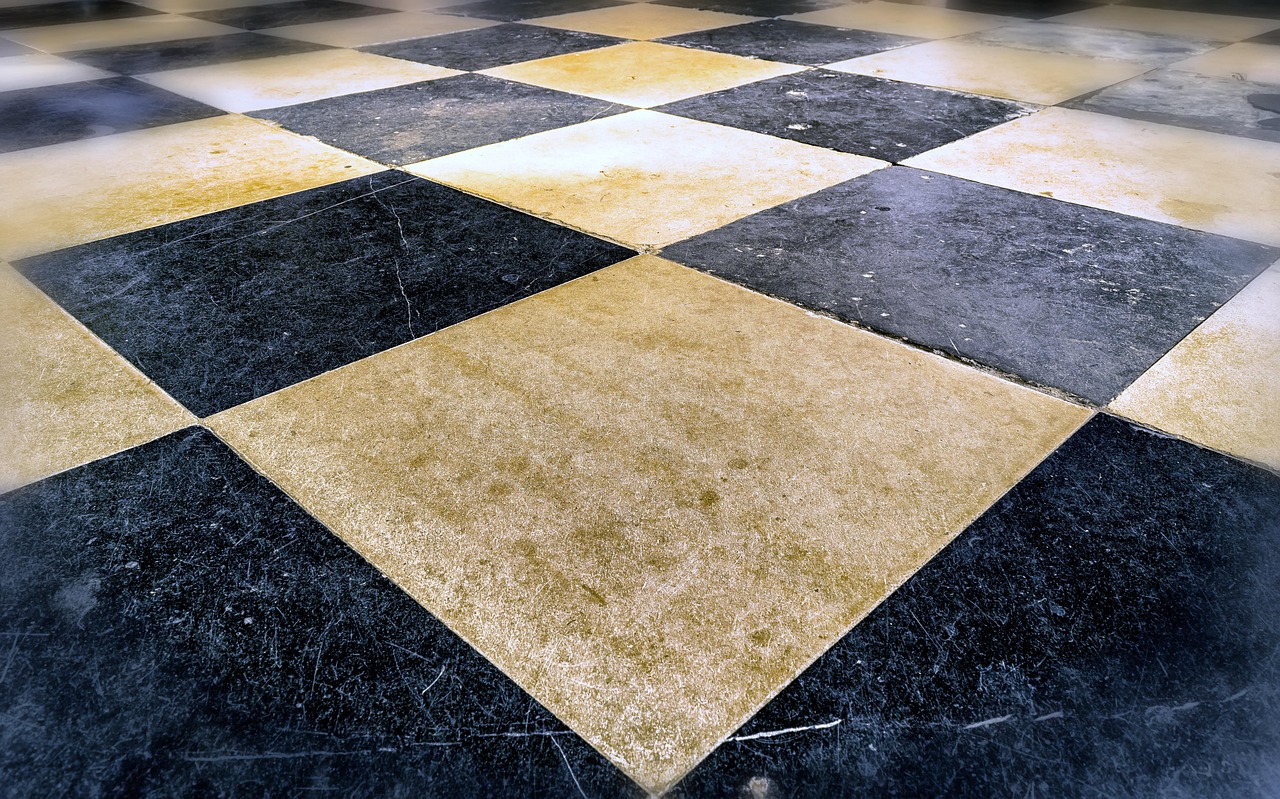
Porcelain or ceramic tile offers a high-end look that’s completely waterproof and incredibly durable. It’s a fantastic choice if you want elegance and easy cleaning. Large-format tiles reduce the number of grout lines, which means less scrubbing. Heated floor mats under tile are a luxury upgrade that transforms the experience on cold mornings. I’ve tiled a few closets and added electric radiant heat, and the homeowners always say it’s worth every penny.
The trade-offs are all about comfort and fragility. Tile is cold and hard underfoot, so you’ll almost certainly want an area rug for the dressing area. Dropping a glass bottle or ceramic jar is a disaster because the tile will likely break the item, and the tile itself can chip if something heavy hits it at the right angle. Stone like slate looks beautiful but is porous, so it needs regular sealing to prevent stains. If you’re willing to add an area rug and are careful with your belongings, tile is a solid choice. For comfort and resilience, LVP is easier to live with day to day.
Cork and Bamboo: The Eco-Friendly Options
If sustainability matters to you, cork and bamboo are worth a look. Cork is naturally antimicrobial, soft underfoot, and excellent at reducing noise. It’s warm even in winter and feels forgiving on your joints. The problem is that cork dents easily. A heavy box left on a cork floor for a couple of weeks can leave a permanent impression. I’ve tested this personally, and it took months for the dent to recover. Cork also fades in direct sunlight and needs to be sealed to protect against moisture. It works best in a low-traffic, quiet closet where you’re not rolling heavy carts around.
Bamboo is harder than many domestic hardwoods, making it a durable and eco-friendly choice. It has a clean, modern look that fits contemporary closets well. But it can scratch from dirt and sand, and it’s sensitive to humidity. In a dry, well-managed closet, bamboo can hold up beautifully. For a green-minded homeowner, bamboo is the more practical of the two for most walk-in closets. If you want that soft, quiet feel and don’t have heavy furniture rolling around, cork is a unique option worth considering. Browse quality cork tiles on Amazon to see what’s available.

Flooring Comparison: Quick Reference Table
| Material | Cost | Durability | Water Resistance | Comfort | Best For |
|---|---|---|---|---|---|
| Hardwood | $$$ | Good | Low | Medium | Dry, spacious closets |
| Laminate | $$ | Very Good | Moderate | Medium | Budget-conscious homeowners |
| LVP | $$ | Excellent | High | Good | Humid closets, basements, pets |
| Carpet | $ | Low | Low | Excellent | Dressing areas (away from shoes) |
| Tile | $$$ | Excellent | High | Poor (cold) | High-end, humidity-prone closets |
| Cork | $$ | Moderate | Low | Excellent | Quiet, low-traffic closets |
| Bamboo | $$ | Very Good | Low | Medium | Eco-conscious, dry closets |
DIY vs. Professional Installation: What You Need to Know
Deciding whether to install the floor yourself or hire a pro comes down to three things: your skill level, the material, and the complexity of the room. LVP, laminate, and carpet tiles are very DIY-friendly. They use click-lock or peel-and-stick systems that require basic tools like a tape measure, utility knife, and tapping block. A standard walk-in closet is usually small enough that you can finish in a day.
I’ve installed LVP in several closets myself, and the biggest mistake I made was not accounting for the door jamb. I ended up with a small gap that I had to fill with a transition strip. It was fixable, but it taught me to measure twice and account for every wall angle. For laminate and LVP, you’ll need underlayment and a vapor barrier in basements. The cost savings of DIY are significant, but you also take on the risk of mistakes. If your closet has complex angles or multiple doorways, a professional job will look cleaner.
For tile or hardwood, hire a pro. The tools alone—wet saws, nailers, spacers—are expensive, and the skill required to get a straight, level floor is hard to learn on the job. The money saved on DIY tile is often lost on materials you wreck. A basic installation kit with spacers and a tapping block is worth the small investment for click-lock floors. Find a solid installation kit on Amazon to get started.
Common Mistakes to Avoid When Choosing Closet Flooring
I’ve seen the same mistakes over and over. The first is ignoring moisture. If your closet is near a bathroom or below grade, don’t choose hardwood or carpet. Go with LVP or tile. The second mistake is buying the floor before you have your closet system planned out. Heavy cabinets and shelves can damage a floor during installation, and you might find that you need to cut the floor differently once the shelving layout is set.
I once worked with a client who installed beautiful hardwood and then had to rip out a section to lay down a waterproof mat under a shoe rack. That mat wouldn’t have been necessary if they’d chosen LVP to begin with. Transition strips are another forgotten detail. Different floor heights between the closet and adjoining room need a smooth transition, or you’ll trip constantly. Measure the height of the finished floor before buying transitions. And finally, don’t pick a floor based on looks alone. Bring samples home and look at them under your closet lighting. A gray-toned wood that looks perfect in the showroom can feel cold and dull under warm bulbs.
Final Considerations: Matching Flooring to Your Closet System
The best closet floor is one that works with everything else in the room. Your flooring influences how cabinetry looks, especially if your closet has open shelving. Dark floors can make a small closet feel cramped, while light floors open it up. The order of installation matters too. If you’re having a custom closet system installed, ask the contractor whether the floor or the cabinets go in first. In many cases, installing the floor first and then building cabinets on top is cleaner, but it means you can’t easily replace the floor later without moving the cabinets.
The goal is to choose a floor you’ll be happy with for years. It’s not just about what looks good today. Think about how it will hold up to your daily habits. If you’re a shoe collector with dozens of pairs, LVP or laminate will handle the traffic. If you live in a dry climate and want classic style, hardwood is a solid investment. Take the time to get samples, test them in the actual space, and consider all the practical factors. Then go ahead and explore the product recommendations linked in this article to find something that fits your budget and style.