Urban Loft Walk-In Closet: Brick and Steel Accents
Introduction
An urban loft closet is more than just a place to hang clothes. It’s a design statement that brings the raw, unfinished feel of a city loft—exposed brick, metal pipes, and open shelving—into your home. If you’re a homeowner or a DIYer who wants an industrial look that actually works for daily life, this guide is for you. We’ll walk through how to design an urban loft closet using brick and steel accents, from sourcing materials to avoiding common mistakes. This is practical advice you can use, not just photos you’ll never recreate.

Why Choose an Urban Loft Closet Design?
The appeal goes beyond looks. Open shelving, metal rails, and brick walls create a sense of space that traditional finished closets can’t match. The materials are also tough. Brick doesn’t dent, and powder-coated steel doesn’t chip like painted MDF. In basements or converted spaces, brick resists moisture better than drywall—it won’t warp or grow mold as easily. The design is flexible too. You can paint the brick later, swap out shelves, or take it all down and start over. That’s a lot harder with built-in cabinets.
But this style isn’t for everyone. If you want a soft, warm, or traditionally feminine space, the industrial vibe will clash. Brick and steel are hard surfaces, so they’re less forgiving if you bump into them. The open storage also demands that you stay organized. This look works well in lofts, basements, or any room where you want a workshop-meets-walk-in closet feel. If you prefer cozy carpet, soft lighting, and hidden storage, you’re probably better off with a classic closet.
Sourcing Authentic Brick and Faux Brick Options
You have three main choices for brick: real reclaimed brick veneer, new thin brick, or faux brick panels. Each has its tradeoffs.
- Real reclaimed brick veneer offers unmatched character. Each brick shows its age and wear. It’s also the most expensive and heaviest option. You’ll need to check your wall’s load-bearing capacity—getting a structural engineer involved is a good idea for larger installations. Cost runs about $8 to $15 per square foot for materials alone, plus labor for cutting and mortar. Best for permanent setups where budget isn’t the main concern.
- New thin brick gives you real material but in a lighter, more consistent format. It’s about 1/2 inch thick, making it easier to install on interior walls. Expect to pay $5 to $10 per square foot. A solid middle ground if you want the genuine feel without major structural headaches.
- Faux brick panels are the most practical for most DIYers. They’re made from polyurethane or foam, weigh almost nothing, and glue directly to the wall. They look convincing from a few feet away, especially if you pick a high-contrast, rough texture. Cost is $2 to $4 per square foot. Best for renters or quick projects where you don’t want to mess with mortar. I’ve used these before, and once the grout lines are filled, they’re hard to tell apart from real brick. For those interested, faux brick wall panels are easy to find online.
Practical tip: Before buying real brick, use a stud finder to check your wall construction. Lightweight partition walls should stick with faux panels or thin brick. The weight of real brick can cause sagging over time.
Steel Accents: Racks, Rails, and Shelving
Steel is the backbone of the urban loft closet. It adds structure, visual weight, and that industrial edge. The classic approach is steel pipe shelving—black iron pipes with flanges and shelves. Thicker pipes look more authentic, but they also take up more space and can reduce your usable hanging length. A good balance is 3/4-inch schedule 40 pipe for most jobs.
Industrial hooks, steel hanging rails, and metal brackets complete the look. Some people go with a steel rod system designed for warehouse-style closets. These use vertical rails on the wall and horizontal steel shelves that slide in. They’re sturdy enough for heavy winter coats and easy to reconfigure later. If you’re looking for components, industrial steel closet shelving is a good starting point.
Practical tip for humid climates: Standard steel will rust over time, especially in basements or coastal homes. Look for powder-coated or galvanized steel. If you’re using raw black iron pipe, seal it with a clear matte polyurethane spray. Apply two thin coats before installation. Also, use toggle bolts when mounting to drywall—especially for steel rails or heavy shelving. Toggle bolts distribute weight better than plastic anchors.

Planning Your Closet Layout with Brick and Steel
A good layout starts with measurements. Measure your space, including ceiling height, and mark all stud locations. Brick veneer or panels need a solid backing, so plan around studs for any heavy shelving.
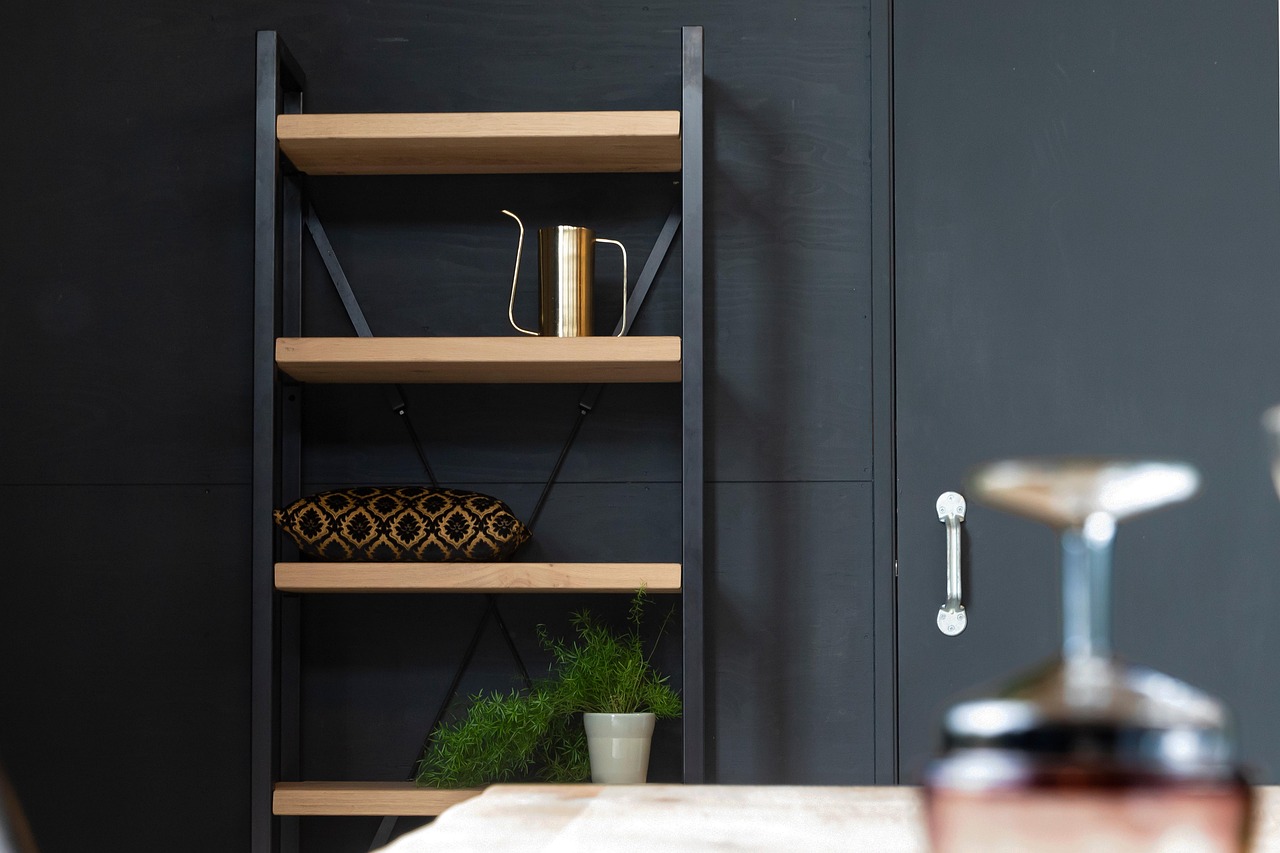
Limit brick to one accent wall. A full room of brick can feel like a dungeon. Pick the wall that’s most visible when you walk in—usually opposite the door. That single wall gives you impact without overwhelming the space. Position your steel shelving to line up with the brick rows. This creates a cohesive look rather than something that seems thrown together. If your brick veneer has standard 8-inch courses, plan shelf heights to hit those lines.
Common mistake: Not accounting for the depth of brick veneer. Thin brick or faux panels add about 1/2 inch to 3/4 inch of depth to your wall. If you plan shelf depths based on framing alone, shelves can end up too shallow. Measure your finished wall thickness before ordering.
Use a simple zone plan: a long hanging rod for shirts and dresses (4 to 6 feet), a double-hung section for pants, a shelf for folded items, and a bottom shelf or bench for shoes. Open steel baskets on lower shelves work well for accessories.
Lighting for an Industrial Look
Lighting can make or break the space. The right fixtures highlight brick texture and steel accents. The wrong ones flatten everything out.
Exposed bulb pendants on black cord are a classic, affordable choice. Pair them with track lighting mounted on metal conduit. Use dimmable bulbs—warm white (2700K to 3000K) enhances the red tones in brick. Cool white light (4000K+) washes it out. For under-shelf lighting, try LED strip lights with a dimmer. Place them toward the back of the shelf to cast light down the brick wall, adding depth. Industrial pendant lighting can help you find suitable fixtures.
Don’t overdo the brightness. Brick walls handle lower light levels well without feeling dark. The goal is to emphasize texture, not flood the room. Aim for 300 to 400 lumens per square foot. Use dimmer switches to adjust based on time of day. Affordable industrial-style fixtures are easy to find—look for black metal or galvanized finishes that match your steel.
Flooring Considerations: What Works with Brick and Steel
Your floor needs to handle two issues: brick dust and metal scratches. Brick sheds dust over time, especially if unsealed. Light-colored floors show it quickly. Steel components can leave marks if you drag shelves. Pick a floor that’s easy to clean and forgiving of scuffs.
Polished concrete is ideal. It’s durable, seamless, and fits the industrial vibe. Large-format tile in matte finishes—grays, blacks, or dark browns—is another good choice. Avoid glossy finishes; they show every speck of dust. Dark stained wood (engineered or solid) can work if you seal it well and use protective pads under steel feet. Skip rustic, distressed wood—it clashes with the modern industrial look.
Add a small rug or mat in the changing area. Choose a low-pile, dark-colored rug that can handle traffic and won’t trap brick dust. Hexagon or herringbone tile patterns add interest without competing with the brick wall.
Storage Solutions: Brackets, Drawers, and Baskets
The right storage should match the industrial look while keeping things accessible. Heavy-duty steel brackets (L-brackets with a welded gusset) can hold shelves up to 18 inches deep. Use them with solid wood or plywood shelves stained dark. Open wire baskets—galvanized or powder-coated in black—keep smaller items contained while letting air circulate. Metal-framed drawers provide closed storage without softening the look.
Tradeoff to consider: Open storage looks great and makes things easy to find. But it requires discipline. Every item is visible. If you’re not naturally organized, you’ll spend more time straightening. Closed storage hides clutter but can make the space feel less industrial. A compromise: use closed metal bins on lower shelves and open baskets on upper ones. Matching metal bins keep small items like socks contained without breaking the visual flow.
Common Mistakes to Avoid
- Using untreated steel that rusts. Unless you live in a very dry climate, raw steel will rust. Seal it with powder coating or clear polyurethane. Skip this, and you’ll have orange streaks on your clothes within a year.
- Installing brick without a moisture barrier. This is critical in basements. Brick is porous. If moisture wicks through from the foundation, it can cause mold. Use a vapor barrier like 6-mil poly sheeting behind the brick, or choose faux panels with a built-in barrier.
- Overcrowding the closet. The urban loft aesthetic needs breathing room. If you cram in too many shelves and racks, the brick and steel become background noise. Stick to essential zones: hanging, folding, and display. Let the materials be the star.
- Choosing too dark a brick color. In a small closet, dark brick (charcoal, deep brown) can make the space feel like a tunnel. Stick to reds, tans, or lighter browns. If you want dark brick, use it on just one wall and keep the rest of the room light.
- Forgetting ventilation. Brick retains heat. If your closet is tight and windowless, install a small ventilation fan or leave a gap at the top of the brick wall. Clothing needs airflow to prevent mustiness.
Real-World Budget Breakdown
For a 10×8 foot closet (roughly 80 square feet), here’s a realistic material budget:
- Faux brick panels: $300 to $600 for one accent wall.
- Steel shelving and rails: $200 to $400 for a basic pipe-and-wood system or pre-made steel rails.
- Lighting: $100 to $200 for two to three pendant fixtures, dimmer switches, and LED strips.
- Flooring: $200 to $500 for tile or concrete refinishing. Luxury vinyl plank that mimics concrete can save money.
- Storage accessories: $100 to $300 for wire baskets, hooks, and metal bins.
Total material cost: $900 to $2,000. Doing the installation yourself—hanging shelves, painting, mounting fixtures—can save about 30%. Hire an electrician for wiring work (expect $150 to $300 for a simple setup). Leave heavy brick installation to a pro unless you’re comfortable with mortar. The biggest hidden cost is labor for real brick. A single wall of reclaimed brick can run $500 to $1,000 in contractor fees.
Spend here, save there: Invest in quality steel shelving—it lasts decades. Save on brick by using high-quality faux panels, which cost a fraction of real brick and are much easier to install yourself.

Is an Urban Loft Closet Right for You?
This design works well for people with open-plan homes, loft apartments, or anyone who wants a durable, workshop-like storage system. If you like seeing everything at a glance, open shelving is a practical advantage. It also works in guest rooms where you want a functional space that’s also a design feature.
Skip this if your closet is small (under 6×6 feet) and you need every inch for storage. Hard surfaces of steel and brick aren’t great if you’re prone to bruising or have young children. A traditional closet with soft edges and closed storage is safer. If your home has a traditional or cottage layout, the industrial look may feel out of place. You could try a softer version with painted brick and warmer steel tones, but it’s worth considering your overall home aesthetic.
Try this first: Before committing to the whole space, test one small section. Install a single wall of faux brick and mount a steel hanging rail above it. Use it for a month. If you love the look and it works for you, go ahead with the full design. If it feels cold or impractical, you’ve only invested a few hundred dollars and a weekend.
Final Practical Tips for a Cohesive Look
- Match your metal finishes. Stick to one metal color throughout—black steel, brushed nickel, or dark bronze. Mixing finishes looks disjointed. Black is the most authentic industrial choice.
- Add wood for warmth. Brick and steel can feel cold. A solid wood shelf or wooden stool breaks up the monotony. Dark walnut or reclaimed wood tones work well. Avoid light woods like oak or maple; they contrast too much.
- Keep the ceiling light-colored. White or light gray ceilings reflect light and keep the room open. Even with dark brick walls, a light ceiling helps.
- Use large mirrors. A floor-to-ceiling mirror on one wall (preferably opposite the brick) amplifies light and makes the closet feel twice as large. Choose a simple black metal frame.
The key is restraint. Less is more with industrial design. Let the brick and steel do the work.
Ready to Explore Your Urban Loft Closet?
The urban loft closet isn’t just a trend. It’s a durable storage solution that adds character to your home. Start small—maybe with a steel hanging rail or a single wall of brick panels—and build from there. The beauty of this design is that it’s modular. You can add components over time without tearing anything out. As you plan your own urban loft closet, focus on the materials that matter most. Invest in quality steel, choose a brick option that fits your skill level, and let the design breathe. Whether you do it yourself or hire help, the result is a space that feels both practical and personal. Ready to get started? Pick one element from this guide and make it happen.