Smart Closet ROI: Is Tech Integration Worth the Investment?
What Counts as a ‘Smart Closet’ Feature?
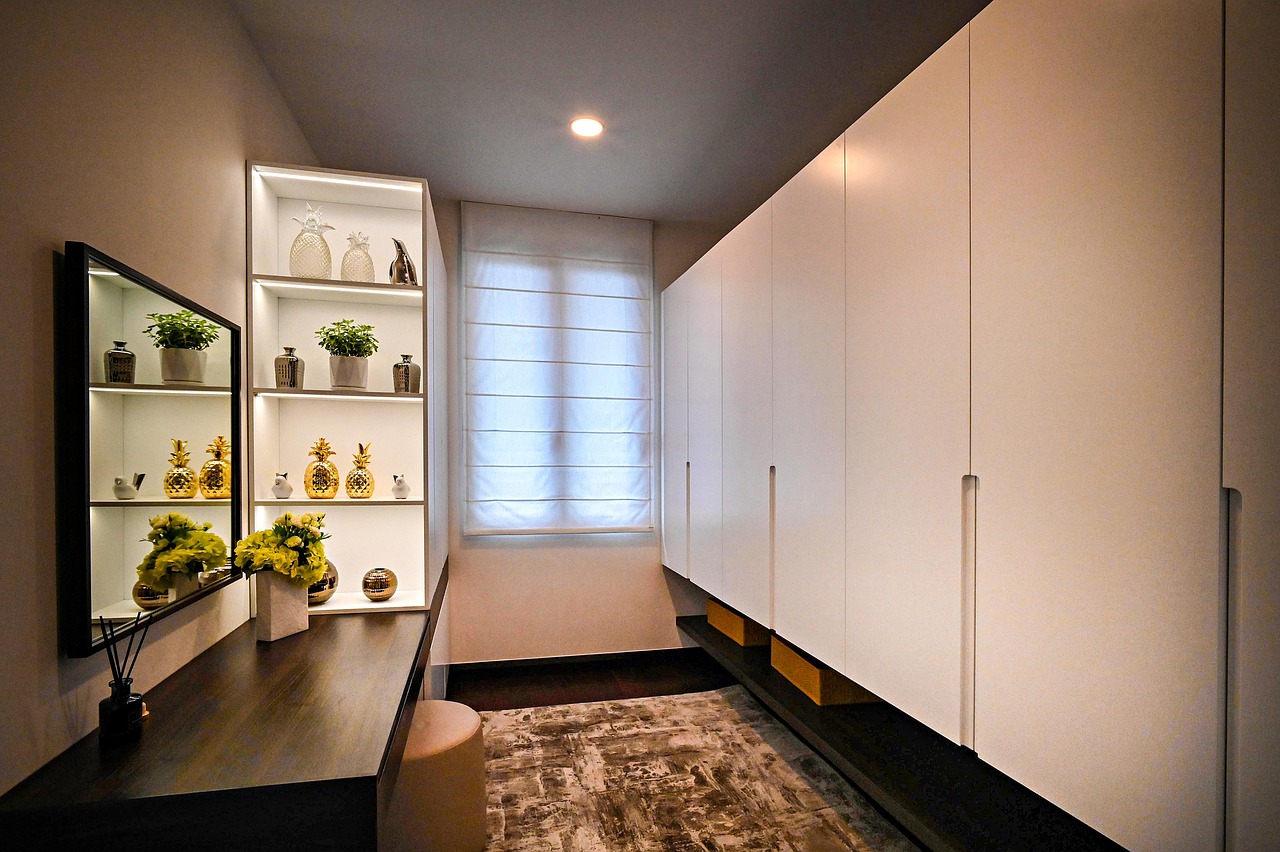
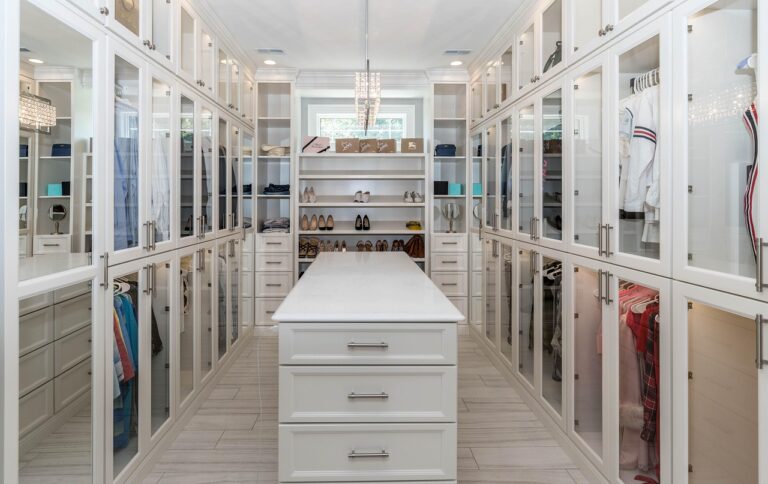
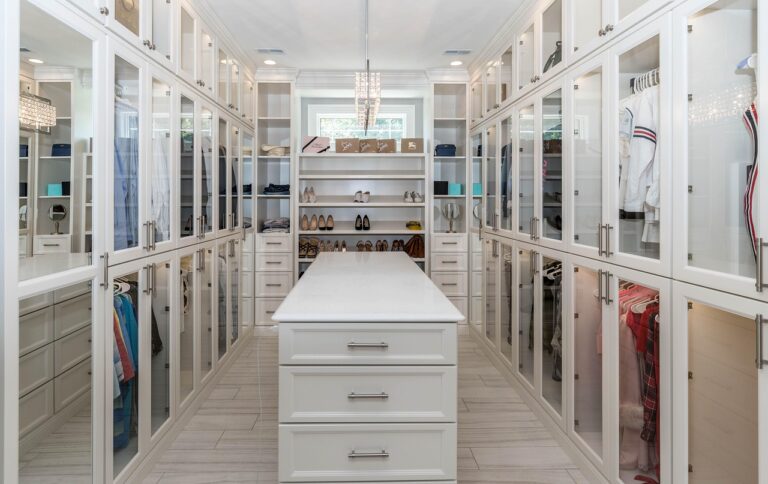
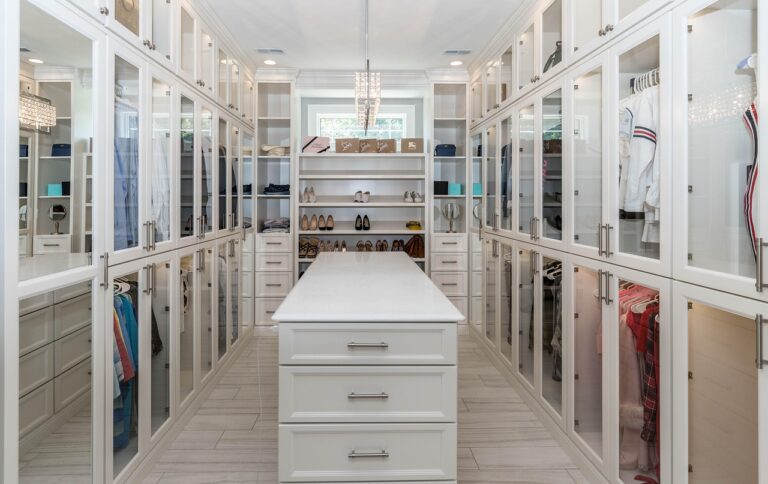
When people hear ‘smart closet,’ they often picture motorized racks or touchscreen mirrors from a luxury catalog. The reality is much broader—and much more accessible. A smart closet is any closet where technology enhances how you store, find, and maintain your clothes. The spectrum runs from simple upgrades to full automation.
Common features include:
- Automated lighting: Motion-activated LED strips or puck lights that come on when you open the door. Typically $50–$200. For a solid entry point, consider motion-activated LED closet lights that are easy to install.
- Motorized storage: Pull-down rods or motorized shelves that adjust height with a button press. More common in reach-in closets or for accessibility needs.
- Climate control: Sensors that monitor humidity, temperature, and airflow. Often paired with a small dehumidifier or fan to protect delicate fabrics.
- Inventory apps: Barcode scanning or photo-based cataloging systems that track what you own, where it is, and when you last wore it.
- Voice assistants: Smart speakers or displays integrated into the closet area for hands-free control of lights, music, or shopping lists.
- Charging stations: Built-in USB or wireless charging for devices stored in pockets or drawers.
Not every feature delivers the same return. Some are pure convenience. Some reduce energy or dry cleaning costs. Others might boost resale value in the right market. Understanding the difference is key to calculating your smart closet roi.

The Upfront Cost of Adding Smart Tech
Let’s talk numbers, because that’s where most people get stuck. The cost of making a closet ‘smart’ varies a lot depending on what you choose and who installs it.
Here’s a realistic breakdown based on what I’ve seen in real installations:
- Smart lighting (DIY): $50–$150. Stick-on LED strips with motion sensors. No wiring needed if you use battery-powered units or plug into an existing outlet.
- Smart lighting (hardwired): $200–$500. Requires an electrician unless you’re comfortable with basic wiring. Worth it if you want a clean look without visible batteries or cords.
- Motorized pull-down rod: $500–$1,500. The mechanism itself is the bulk of the cost. Installation often requires mounting into studs.
- Climate sensor + fan: $150–$400 for a decent system. Add another $100–$300 for professional installation if you need ducting or extra outlets.
- Inventory app with hardware: $100–$300 for a barcode scanner or smart hanger tags. The app itself is usually free or has a small subscription ($5–$15/month).
- Voice assistant integration: $30–$100 for a smart speaker or display. No installation cost if you already have Wi-Fi in the closet area.
Hidden costs often catch people. Wiring for outlets near the closet, subscriptions for cloud storage or app features, and the time spent configuring systems. DIY installation can save money but costs time and patience. Professional installation can double your upfront spend but often comes with a warranty.
The key takeaway: start small. You can add smart lighting for under $100 and see immediate benefits. Motorized storage can wait until you’re sure about the commitment.
Does Smart Tech Increase Home Resale Value?
This is the million-dollar question for anyone thinking about long-term investment. The short answer: it depends on your market and the specific features.
In luxury real estate markets, a smart closet can be a differentiator. Buyers who expect high-end finishes often see automated lighting and climate control as a bonus, not a gimmick. A well-integrated system might add 0.5% to 1% to the home’s value. On a $500,000 home, that’s $2,500 to $5,000—enough to cover a moderate smart lighting setup.
But here’s the reality check: most appraisers I’ve spoken with treat smart closet tech as a neutral feature in standard homes. It rarely adds significant monetary value unless it’s part of a fully customized walk-in closet in a high-end property. In a standard 4×6 reach-in closet, motorized rods and climate sensors are often seen as over-improvement.
The features most likely to pay back at resale:
- Hardwired smart lighting (looks high-end, no visible cords)
- Climate control (appeals to buyers with designer wardrobes)
- Integrated charging stations (practical for modern lifestyles)
Features less likely to recoup cost:
- Proprietary inventory systems (buyers won’t use your app)
- Voice assistants (easy to add later, not a selling point)
- Motorized storage for accessible closets (niche appeal)
The smartest approach is to view smart closet tech as a lifestyle upgrade first, a resale tool second. If you plan to stay in your home for 5+ years, the daily convenience often outweighs any resale calculation.
Daily ROI: Time and Energy Savings
The most overlooked return on smart closet tech is the time and energy it saves you every single day. This is where the math gets personal.
A simple motion-activated light eliminates fumbling for switches in the dark. That might save you 10–15 seconds per use. Doesn’t sound like much until you multiply it by twice a day, 365 days a year. That’s over 3 hours saved annually just on lighting.
Inventory apps are where the real time savings live. I worked with a client who spent an average of 30 minutes each week looking for specific items in her large walk-in closet. She’d buy duplicates because she forgot she already owned a certain shirt or pair of shoes. After setting up a basic inventory system—snapping photos and tagging items by category—she cut that search time to under 5 minutes per week. That’s over 21 hours saved per year.
Energy savings are smaller but measurable. Motion-activated lights that stay off when the closet is empty can reduce electricity consumption by 60-80% compared to leaving a standard fixture on all day. If you have a 60-watt bulb running 12 hours per day, that’s about 263 kWh per year. Switching to LED motion-activated lights cuts that to roughly 50 kWh. At average U.S. electricity rates, you’re saving about $25-$35 annually. Not life-changing, but it adds up.
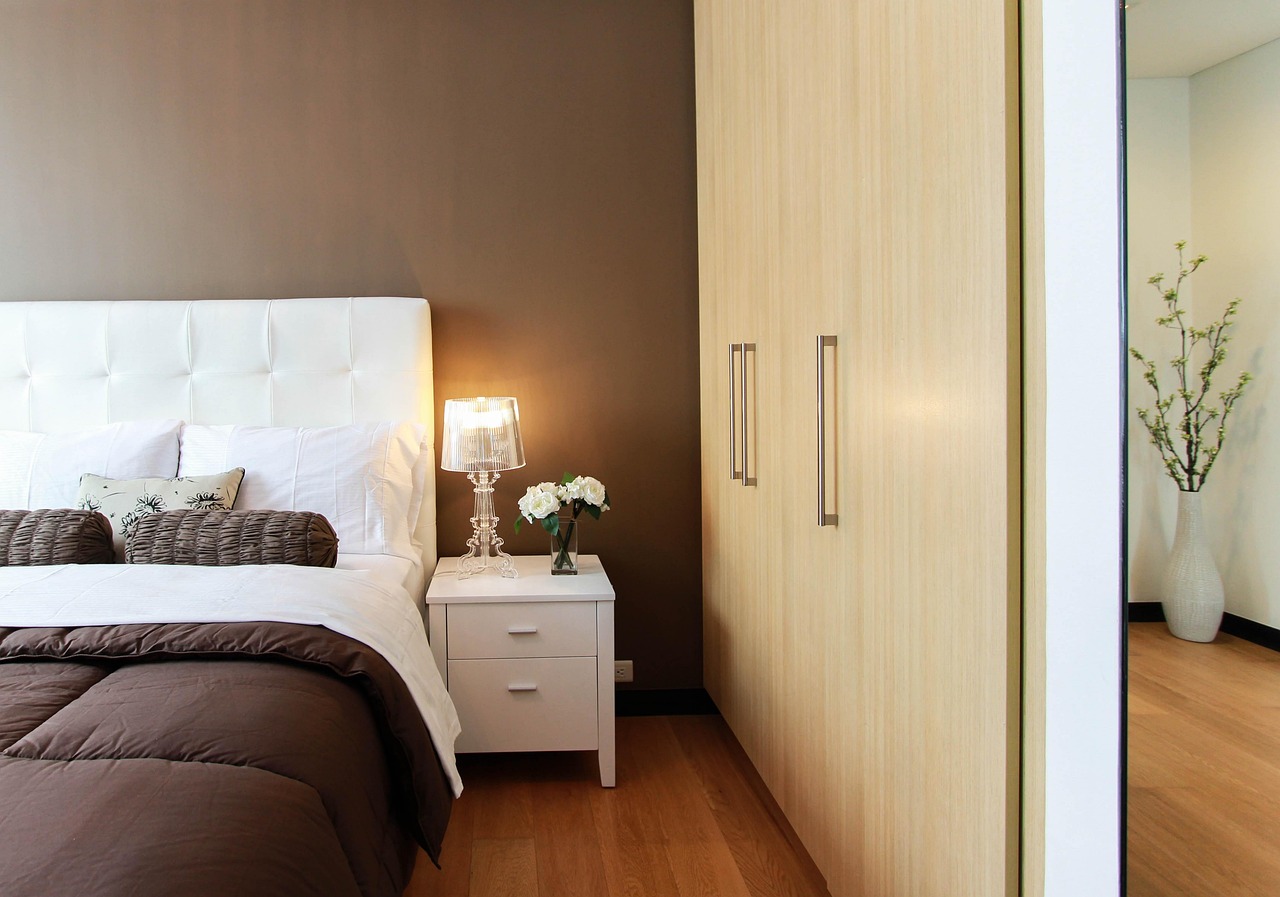
The biggest daily ROI isn’t financial—it’s the reduction in friction. Knowing exactly where your items are, never hunting for a matching belt, and coming home to a well-lit organized space changes how you interact with your closet. That’s hard to quantify but easy to feel.

The ROI of Smart Lighting vs. Motorized Storage
These two features represent different ends of the smart closet spectrum. Comparing them directly helps you decide where to invest first.
Smart Lighting
Cost: Low ($50–$200 for DIY, up to $500 hardwired)
Daily impact: High. You use it every time you open the closet.
Resale impact: Moderate. Hardwired systems look premium.
Payback period: 1–2 years on energy savings alone, faster if you value time savings.
Best for: The daily dresser. Anyone who uses their closet every morning and evening.
Motorized Storage (Pull-Down Rods)
Cost: High ($500–$1,500 per rod)
Daily impact: Low to moderate. Only useful if you have high hanging space or limited reach.
Resale impact: Niche. Appeals primarily to accessibility-conscious buyers or luxury market.
Payback period: Unlikely to recoup cost unless you’re eliminating dry cleaning bills by preventing wrinkles (savings of $100–$300/year can help).
Best for: Those with limited reach, tall closets, or a desire to maximize vertical storage without a step stool.
The verdict: start with lighting. It’s low-risk, high-reward. Motorized storage is a luxury add-on that only makes sense if you have a specific need or are already happy with the basics.
Common Mistakes That Kill Smart Closet ROI
I’ve seen homeowners spend good money on smart closet tech and end up frustrated or with a system they don’t use. Here are the most common pitfalls:
1. Choosing incompatible systems. Buying a smart lighting kit that uses a proprietary hub you can’t connect to anything else. Six months later, you want to add climate control, but the new system needs a different hub. Now you have two apps, two accounts, and no unified control.
What to do instead: Look for systems that support open standards like Matter, Zigbee, or Wi-Fi. These let you mix and match brands.
2. Over-automating low-traffic areas. Adding motorized rods to a guest closet that gets opened twice a year. The tech sits unused and never pays off.
What to do instead: Focus automation on the closet you use daily. Save the extra budget for shelving or better organization in secondary spaces.
3. Ignoring installation complexity. A DIY smart lighting kit sounds simple, but running wires through a closet built in the 1980s with no nearby outlet can turn into a weekend project. Mistakes during installation can damage drywall or wiring.
What to do instead: Be honest about your skill level. Paying a professional $150 to install lighting correctly is cheaper than fixing drywall or buying replacement parts.
4. Buying the cheapest option. A $20 motion sensor light from a no-name brand might work for three months before the sensor fails or the battery corrodes. Replacing it repeatedly eats into any savings.
What to do instead: Spend a bit more on reputable brands with good reviews. Smart lighting from Philips Hue, Lutron, or TP-Link costs more upfront but lasts years without issues. A good starting point is to compare smart closet lighting kits from established manufacturers.
Smart Closet Features That Pay for Themselves
Some smart closet features have a surprisingly fast payback period. Here are the ones most likely to put money back in your pocket:
Timer-Based or Motion-Activated Lighting
Payback: 1–2 years
Replacing a standard light switch with a motion sensor or timer reduces run time by 60-80%. At $30 for a quality smart switch and $25/year in savings, you break even in about 14 months. The real win is convenience—never coming home to a closet light left on all day.
Automated Closet Rods with Wrinkle Prevention
Payback: Depending on dry cleaning habits, 2–4 years
Motorized rods that gently rotate clothing or provide light compression reduce wrinkles. If you currently send 2–3 items to the dry cleaner weekly ($15–$25 per visit), and this system eliminates even half those trips, you’re saving $400–$600 annually. A $1,000 rod pays back in 2–3 years.
Inventory Apps with Barcode Scanning
Payback: 1–3 years from avoided purchases
Average American households spend $150–$300 per year on clothing they already own but can’t find. A good inventory app—combined with the habit of scanning items—prevents duplicate purchases. The app itself costs $5–$15/month or a one-time fee of $50–$100. Payback happens fast if you follow through.
Climate Sensors + Smart Dehumidifier
Payback: 3–5 years from reduced garment replacement
Humidity damage to delicate fabrics is expensive. A quality climate sensor paired with a smart dehumidifier can extend the life of wool, silk, and leather items. If you have $3,000+ worth of clothing in your closet, a $300 system that prevents even one costly replacement pays for itself.
How to Calculate Your Personal Smart Closet ROI
Forget vague promises. Here’s a simple framework you can use with your own numbers.
The formula:
ROI = (Annual Savings + Resale Boost) / Total Cost × 100
Step 1: Calculate total cost. Add hardware + installation + any ongoing subscription fees for the first year.
Step 2: Estimate annual savings. Include energy savings, reduced dry cleaning, avoided duplicate purchases, and any other measurable reductions.
Step 3: Estimate resale value boost. Be conservative. Unless you’re in a luxury market, use 0.5% of your closet’s home value at most.
Example calculation:
- Total cost: $600 (smart lighting $150 + climate sensor $150 + inventory app subscription $100/year + installation $200)
- Annual savings: $120 (energy $30 + dry cleaning savings $60 + avoided duplicate purchases $40)
- Resale boost (conservative): $200 (0.5% of $400,000 home value attributed to closet)
ROI = ($120 + $200) / $600 × 100 = 53%
In Year 1, you’re effectively getting a 53% return. By Year 3, without including additional resale value, your ROI climbs to ($360 + $200) / $600 = 93%. That’s a strong return for a lifestyle upgrade.
Adjust the numbers for your situation. The framework stays the same.
When It’s Better to Skip the Smart Closet Tech
Not every closet needs smart tech. Here are the scenarios where I’d advise against it:
Rental properties. If you don’t own the home, you likely can’t take the tech with you when you move. Hardwired lighting, motorized rods, and climate sensors are permanent installations. A portable smart speaker and battery-operated lights are about all that makes sense.
Small closets. In a reach-in closet under 4 feet wide, the cost per square foot of adding smart tech is too high. You’re better off spending that money on custom shelving or better organization.
Tight budget. If your closet storage itself is lacking—wire shelving, no rods, poor lighting—fix that first. Smart features are an upgrade on top of good foundations, not a replacement for them.
Moving within 3 years. Unless you’re in a luxury market where smart features are expected, you’re unlikely to recoup the cost before you sell. The resale value boost is modest, and the daily savings need time to accumulate.
Skipping smart tech in these scenarios isn’t a failure—it’s smart budgeting. The money saved can go toward other home improvements with faster or more certain returns.
Real World Example: A $1,200 Smart Closet Setup’s 3-Year Payback
Let me walk you through a realistic scenario I’ve seen play out with homeowners who wanted to test smart closet tech without going all-in.
The setup:
- Smart lighting (motion-activated LED strips): $150
- Bluetooth scale with hanger sensor: $200 (tracks garment weight to detect when clothes are worn)
- Motorized tie rack: $500
- Basic climate sensor + small dehumidifier: $150
- Professional installation: $200
- Total: $1,200
Annual savings:
- Lower electricity bill (LED vs. standard bulb): $60
- Reduced dry cleaning (fewer wrinkles from smart rack): $180
- Avoided lost items (inventory tracking prevents duplicate purchases): $240
- Total annual savings: $480
Year 1: Investment of $1,200, savings of $480. Net cost: $720.
Year 2: Savings of $480. Cumulative net cost: $240.
Year 3: Savings of $480. Cumulative savings exceed investment. Break-even reached.
By the end of Year 3, the system has paid for itself entirely. From Year 4 onward, the owner is effectively getting $480/year in free savings. On top of that, the daily convenience of the smart lighting and inventory app means they’re never searching for items or fumbling in the dark.
The owner I’m thinking of was initially skeptical about the motorized tie rack. It turned out to be the feature they used most—not for the automation, but because the hanger sensor reminded them which ties still needed dry cleaning. That’s the kind of unexpected win that makes smart closet tech feel worth it.

Future-Proofing Your Investment
Technology evolves fast. The last thing you want is a smart closet system that becomes obsolete in three years because the company stopped supporting its app or the proprietary hub isn’t compatible with newer devices.
Here’s how to protect your investment:
Choose open standards. Look for devices that use Matter, Zigbee, or Wi-Fi. These protocols are widely supported and allow devices from different brands to work together. Avoid systems that require a proprietary hub that only works with that brand.
Think modular. Buy components that can be replaced or upgraded individually. A smart lighting system with separate bulbs, sensors, and controllers is easier to update than one where everything is integrated into a single unit.
Check software update policies. Major brands like Lutron, Philips Hue, and Eve have a track record of providing firmware updates for years after purchase. Smaller no-name brands often abandon products after 12 months. Read reviews specifically about ongoing support.
Plan for battery replacements. Many smart sensors run on batteries. Before installing, figure out where each battery is located and how often it needs changing. Hardwired options are more work upfront but eliminate the hassle of dead sensors every few months.
A smart hub that supports multiple protocols is a worthwhile investment. Products like Hubitat or Home Assistant can connect Zigbee, Wi-Fi, and Matter devices. They cost $100–$200 upfront but future-proof your setup by letting you mix and match brands freely.
Final Verdict: Is the Smart Closet ROI Worth It?
After looking at costs, savings, resale value, and real-world examples, here’s the honest answer: smart closet ROI is real, but it’s not universal. It depends entirely on three factors: how often you use the closet, which features you choose, and how long you plan to stay in your home.
For daily users who stay 5+ years, smart lighting and inventory apps are the clear winners. They deliver measurable time and energy savings that compound year after year. Motorized storage and climate control are worthwhile if you have specific needs—limited reach, valuable garments, or a desire for premium convenience.
For pure resale value, the ROI is modest outside luxury markets. Don’t expect to recoup your full investment when you sell. The real value is in how the system improves your daily life while you live there.
The best approach is to start small. Pick 2–3 high-impact features rather than trying to automate everything at once. Smart lighting is the easiest entry point. Add inventory tracking if you frequently lose things. Consider climate control if you have expensive fabrics. Build from there.
Ready to explore smart closets? Start with automated lighting for the biggest daily win. It’s low-cost, high-impact, and you’ll feel the difference the very first time you open your closet in the dark.