How to Install a Pull-Out Mirror for Small Spaces: A Step-by-Step Guide
Introduction

If you share a small closet or bathroom, you already know the struggle of squinting into a poorly lit, half-hidden mirror. A pull-out mirror solves this by tucking away flush against the wall when not in use and extending out for a full, unobstructed view when you need it. Whether you’re a renter, a DIY enthusiast, or just someone looking to reclaim a few inches of precious floor space, learning how to install pull-out mirror systems is one of the most practical upgrades you can make.
I’ve done these installations in tight closet alcoves and narrow hallways where a standard floor mirror wasn’t an option. The process is more about planning than skill. Get the placement right, and you’ll have a mirror that works perfectly for years. Get it wrong, and you’ll be patching drywall. This guide covers the decision-making, the tools, the steps, and the common mistakes so you can do it right the first time.

Why Choose a Pull-Out Mirror for a Small Closet
A pull-out mirror offers distinct advantages over both wall-mounted and full-length mirrors when space is at a premium.
Wall-mounted mirrors are the simplest solution. Screw it to the wall, and you’re done. But they are static. In a narrow closet, this means you have to stand perfectly centered to avoid bumping your nose against the glass. You lose the ability to step back for a full view. A pull-out mirror on a swing arm extends out, giving you a foot or more of clearance and a better angle. This makes all the difference in a cramped space.
Full-length floor mirrors take up floor real estate. In a tiny walk-in or reach-in closet, that space is better used for shoe storage or a small bench. A pull-out mirror mounts on the wall, freeing up the floor entirely. When not in use, it folds flat, often disappearing behind a door or panel.
There are three main types to consider:
- Swing arm mirrors pivot from one side. Best for mounting on the edge of a closet door frame or alongside a wall. They offer the most extension but require clearance on the swing side.
- Sliding mirrors move horizontally on a track, like a barn door. Ideal for blocking a window or covering a shallow shelf. Installation is more complex.
- Fold-out mirrors are hinged at the top or bottom and cantilever forward. These offer moderate extension and a clean look when closed. Better for wider closet faces.
For most small spaces, a swing arm mirror is the sweet spot. It’s the easiest to install, provides maximum extension, and the hardware is readily available. I’ve used models from Seura and GE, but there are excellent options at lower price points. When shopping, look for models with a full-length mirror surface and a swivel mechanism rated for at least 30 pounds. You can browse a curated selection of Best Pull-Out Mirrors for Small Closets to compare features and prices.
Tools and Materials You’ll Need
Before you start, gather everything. There’s nothing worse than drilling a pilot hole only to realize you need a longer bit. Here’s the list of tools and materials I’ve found essential for a clean installation:
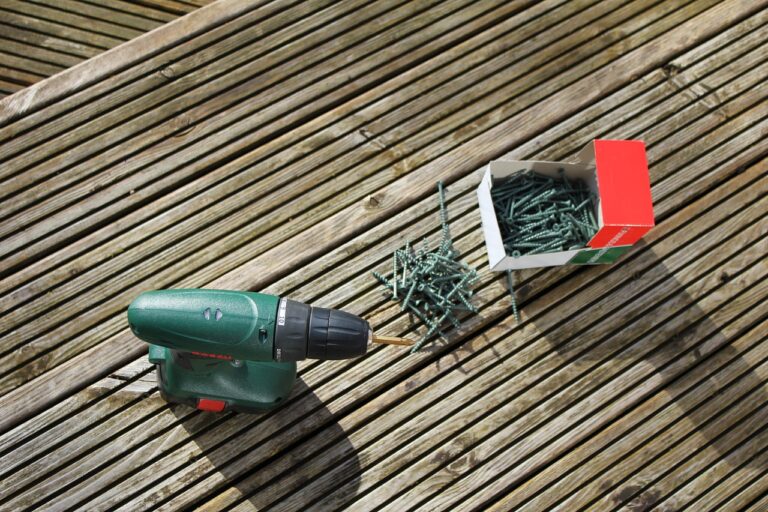
- Drill (cordless is fine) with a set of drill bits for various materials. A 3/16″ bit for drywall and a 1/4″ bit for piloting into wood studs covers most cases.
- Stud finder. A magnetic one is cheap and reliable. An electronic one with deep scan mode is better for plaster walls. Don’t skip this—hitting a stud makes the installation exponentially stronger.
- Level. A 2-foot level is ideal. A shorter torpedo level works but requires more patience.
- Measuring tape. 25 feet is standard.
- Pencil. For marking your mounting points.
- Screws and wall anchors. The mirror will likely include some, but they are often low quality. Upgrade to toggle bolts for drywall or wood screws for studs. A high-quality anchor kit is worth the investment.
- Socket wrench or a screwdriver with appropriate bits. A socket wrench gives you more torque for stubborn bracket screws.
- Safety glasses and dust mask. Drilling drywall creates dust. Plaster dust is particularly nasty.
- Optional: A helper. For large mirrors, an extra pair of hands makes alignment much easier.
I always recommend a magnetic stud finder for beginners. It has no batteries to fail and can’t be fooled by metal lath in old plaster. Cheap electronic finders often confuse you with false positives. A good sturdy drill bit set will prevent stripped holes—look for one with a titanium coating. These items are inexpensive and will save you headaches.
Measuring and Planning Your Mirror Placement
This is the step that makes or breaks the installation. Rushing here leads to a mirror that’s crooked, too high, or blocks a light switch.
Measure the height first. You want the mirror’s top edge to be around 5.5 to 6 feet from the floor. This puts the reflection center at eye level for most people. For a full-length mirror, the bottom edge should be no lower than 4 to 6 inches from the floor to avoid catching your shoes. Mark these measurements on the wall.
Measure the width of the mirror and the swing clearance. A swing arm mirror needs at least 18 to 24 inches of clear space on the side it swings into. If the mirror will fold out from a corner, ensure nothing is in the way—like a towel rack, a door handle, or a shelving unit. I once installed a mirror that looked perfect on paper but swung directly into a light switch. Save yourself the trouble and physically mock it up with a piece of cardboard or a broom handle.
Find the studs. Use your stud finder to locate the studs in the area you’ve marked. Studs are typically 16 or 24 inches apart center-to-center. Ideally, you mount the bracket directly into a stud. If you cannot hit a stud, you’ll need drywall anchors or toggle bolts rated for at least 50 pounds.
Common mistakes to avoid:
- Mounting too close to a door frame – the swing will hit the door or hinge.
- Ignoring light switches or outlets – you need to access them safely.
- Assuming the mirror will clear a baseboard heater – measure the bracket’s depth.
- Not accounting for the bracket’s thickness – some brackets add 2–3 inches of depth.
If your wall is drywall, you can install toggle bolts anywhere. If it’s plaster, a stud is strongly preferred because toggle bolts can damage the fragile plaster over time. For brick or concrete walls, you’ll need masonry anchors and a hammer drill.
Step 1: Mark the Mounting Points
With your measurements finalized, it’s time to put pencil to wall.
Hold the mounting bracket up against the wall at the desired height and level. Use your level to ensure it’s perfectly horizontal. A bracket that’s even a fraction of a degree off will make the mirror hang crooked.
With the bracket level, mark the screw holes with a pencil. Use a sharp pencil for accuracy. If you’re working with a large bracket, make all four or six holes at once. I prefer marking two opposing holes first, then verifying the bracket is level again before marking the rest.
Edge case: On uneven plaster or thick tile, the bracket may not sit flush. In this case, use a wall shim (a thin piece of plastic or wood) behind the bracket to make it level. This is better than over-tightening the screws and cracking the tile or bracket.
If you have limited swing clearance, angle the bracket slightly away from the obstruction during the marking stage. This gives the mirror a few extra degrees of motion. Just ensure it still opens wide enough for a full view.
Step 2: Pre-Drill and Install Anchors (If Needed)
Now you’ll create holes for the screws. This step determines how secure the installation will be.
If you’re going into a stud: Use a drill bit that’s slightly smaller than the diameter of your wood screw. A 1/8″ bit for a 1/2″ screw works well. Drill straight into the center of the stud, deep enough to accommodate the screw length. Do not use anchors—screws into wood are much stronger than any anchor.
If you’re going into drywall: You need drywall anchors or toggle bolts. Drill a pilot hole slightly smaller than the anchor’s outer diameter. Tap the anchor into the wall until it’s flush. For toggle bolts, drill a hole big enough for the bolt head to pass through, then insert the toggle and tighten. Toggle bolts are ideal for heavier mirrors because they spread the load over a larger area.
Practical tip from experience: If you hit a stud, skip the anchors. It’s stronger and cleaner. Many cheap anchors strip out if overtightened. A quality anchor kit with metal-tipped expansions is a worthwhile upgrade if you must use drywall.
For plaster walls, use a masonry bit and install hollow-wall anchors specific to plaster. Standard drywall anchors can crumble the harder plaster material.
Make sure you drill deep enough. A common beginner mistake is drilling too shallow, then forcing the screw, which strips the anchor or splits the wall.
Step 3: Attach the Mounting Bracket
With your pilot holes and anchors ready, you can now secure the bracket.
Align the bracket over the holes. Insert the screws and tighten them by hand first. Once they’re all started, use a screwdriver or socket wrench to tighten them gradually. Work in a star pattern to ensure even pressure. Over-tightening is the most common mistake here. If you’re using anchors, stop as soon as the screw head contacts the bracket. Further tightening will strip the anchor threads or pull the anchor out of the wall. If you’re screwing into a stud, you can apply more torque, but don’t go full force—stripping the pilot hole will leave you with a loose bracket.
Use a socket wrench for the final turns. It gives you better control than a screwdriver and prevents you from rounding off screw heads. A typical socket set with a 1/4″ hex adapter works well for most bracket screws.
Mistake to avoid: Don’t assume the bracket is square to the wall just because it’s level. Check that it’s also plumb vertically. A bracket that’s twisted will make the mirror lean. Use a small square or a level against the vertical side of the bracket. If it’s off, loosen the screws slightly, adjust, and retighten.
Once the bracket is fully attached, give it a firm tug to verify it won’t budge. If it moves, your anchors aren’t seated correctly, or you’ve missed the stud. Fix this now before the mirror goes on.

Step 4: Hang the Pull-Out Mirror
This is the satisfying part. You’ve done the prep, and now the mirror goes up.
Most pull-out mirrors have a keyhole slot or a locking mechanism that slides onto the bracket. Check your mirror’s manual for the specific method. Common systems include:
- Spring-loaded pins: You compress the pins, align the mirror with the bracket, and release. The pins lock into slots.
- Screws through mount: You attach the mirror to the bracket with included screws. This is more secure but requires access.
- Slide-and-lock: The mirror has a lip that sits over the bracket and then slides down to lock.
Before fully securing the mirror, test the pull-out motion. Extend the mirror fully and then retract it. Does it move smoothly? Does it hit anything? Is it level? Adjust the bracket if needed.
For larger mirrors, have a helper hold the mirror while you align and lock it. A 30-pound mirror is awkward to balance on one hand while you work on the other. A second person prevents drops and scratches.
Once the mirror is hung, tighten any locking screws. These secure the mirror to the bracket and prevent it from rattling or drifting. Do not overtighten—snug is sufficient. Overdoing it can crack the mirror frame or strip the bracket threads.
Finally, step back and admire. The mirror should open smoothly, stay in position, and close flush against the wall. If it sags or moves too freely, check the hinge tension. Many mirrors have an adjustment screw that controls friction. Tighten it slightly until the movement feels right.
Common Mistakes When Installing a Pull-Out Mirror
Even experienced DIYers make these errors. Knowing them ahead of time saves time and frustration.
1. Not using a level. A bubble level is cheap. Skipping it creates a mirror that’s visibly tilted. This looks unprofessional and can cause the mirror to sag to one side. Fix: Always check level in both directions before drilling.

2. Ignoring swing clearance. You measure the mirror, but forget the kids’ toys, a door handle, or a soap dispenser that protrudes into the swing path. Fix: Physically swing the mirror (or a cardboard template) through its full range before mounting.
3. Mounting too high or too low. A mirror that’s too high forces you to stand on tiptoes. One that’s too low cuts off your head. Fix: Use the 5.5 to 6 feet guideline for the top edge and adjust for your height. Mock it up with a side profile.
4. Using wrong anchors for the wall type. Standard plastic anchors fail in plaster or tile. Toggle bolts work in hollow walls but not solid concrete. Fix: Match the anchor to the wall material. For drywall, use toggle bolts for heavy mirrors. For plaster, use hollow-wall anchors. For concrete, use masonry expansion anchors.
5. Not testing the pull range before tightening everything. You mount the bracket, hang the mirror, and realize it hits a light switch. Now you have four holes to patch. Fix: Always test the swing with the mirror temporarily held in place before fully securing. Mark the bracket’s position, then swing the mirror. If it works, proceed.
6. Overtightening screws. The #1 cause of stripped anchors. Fix: Stop when the screw head contacts the bracket. If you feel resistance, use a socket wrench with a slip clutch or just stop.
Each of these mistakes is avoidable with a little planning. Use quality anchors from the start. Upgrade to a tested anchor set—it costs a few dollars but prevents a lot of wall repair.
Pull-Out Mirror vs. Fixed Mirror: Which One Is Right for You?
Not everyone needs a pull-out mirror. Here’s a straightforward comparison to help you decide.
Space usage: A fixed mirror takes up zero extra space. A pull-out mirror needs clearance on one side for swing. If your closet is extremely narrow (less than 24 inches deep), a pull-out mirror may not have room to extend. In that case, a fixed mirror mounted on the back of a door is a better choice.
Installation difficulty: A fixed wall mirror is easier. You just need two to four screws and anchors. A pull-out mirror requires more precise measuring and possibly two people for installation. If you’re a beginner, start with a fixed mirror unless you have a clear need for extension.
Cost: A standard wall mirror can be had for under $50 with hardware. A quality pull-out mirror costs $100–$400, plus the bracket. If you’re on a tight budget, a fixed mirror is the economical option.
Flexibility: A pull-out mirror offers adjustable angle and extension. You can step back to see your full outfit, or lean in for close-up makeup application. A fixed mirror requires you to move around it. This is the biggest advantage of the pull-out style.
Best for:
- Narrow closets (24–36 inches deep): Pull-out mirror is ideal. It gives you extra depth when you need it.
- Tiny corner spaces: A fixed mirror on the wall works. A pull-out would block adjacent shelves.
- Renters: If you can’t drill into walls, a fixed mirror on a door (no-drill adhesive) is safer. Pull-out requires permanent mounting.
- High-traffic shared spaces: A fixed mirror is less likely to be damaged. Pull-out mirrors have moving parts that can wear out.
If you have a standard 30–36 inch deep closet and value the ability to see your full reflection without stepping back, a pull-out mirror is the upgrade. For a small reach-in closet where every inch counts, go fixed. I’ve used both. The pull-out mirror in my bedroom closet is indispensable for outfit checks, while the fixed mirror in my hallway works fine for quick looks. You can find both styles in the product directory: Pull-Out Mirrors and Fixed Wall Mirrors.
How to Maintain and Adjust Your Pull-Out Mirror Over Time
A pull-out mirror has moving parts. With use, screws can loosen, hinges can get stiff, and the mirror may start to sag. Simple maintenance keeps it working smoothly.
Tighten screws quarterly. Check the bracket screws first. If the mirror feels loose on the wall, tighten the anchor screws. Then check the hinge screws on the mirror arm. These can work loose from repeated motion. Use a screwdriver or socket wrench—don’t overtighten.
Lubricate the hinges. If the pull-out motion becomes squeaky or feels gritty, apply a small amount of silicone lubricant to the hinge pins. Avoid oil-based lubricants—they can attract dust and gum up over time. Silicone is clean and lasts longer. Spray a tiny amount onto a cloth and wipe the pivots.
Clean the mirror without damaging the mechanism. Use a microfiber cloth and a standard glass cleaner. Avoid spraying liquid directly onto the hinges or sliding tracks. Moisture can cause corrosion. Instead, spray the cloth and wipe the mirror. For the bracket, use a dry cloth to remove dust.
Adjust sagging or drifting. If the mirror slowly sinks over time, check the tension adjustment screw on the hinge. Most pull-out mirrors have a hex screw that you can tighten to increase friction. Turn it clockwise a quarter turn at a time until the mirror holds position. If there’s no adjustment screw, the hinge may be worn out. Contact the manufacturer for a replacement.
With these simple steps, your pull-out mirror can last for years. Moving parts are a tradeoff for the convenience, but they’re easy to maintain.

Final Thoughts: Is a DIY Pull-Out Mirror Installation Worth It?
Installing a pull-out mirror is a weekend project for most DIYers. You need basic tools, an hour or two, and a willingness to measure twice. The payoff is significant: a full-length mirror that disappears when not needed, saving floor space and clutter.
For very large mirrors or installations into difficult materials like tile or concrete, hiring a professional may make sense. The cost of a handyman is a fraction of the cost of repairing a broken mirror or a damaged wall. But for most closets with standard drywall or studs, it’s a straightforward job you can handle yourself.
The sense of accomplishment when you step back and see your new mirror in place, perfectly level and smoothly operating, is real. It’s one of those small home projects that adds daily utility.
If you’re ready to get started, the next step is choosing the right mirror for your space. Ready to get started? Find your options here. Browse a curated selection of high-quality pull-out mirrors and mounting kits that I’ve tested and recommend. The right tool and a little planning turn a tight closet into a functional, comfortable space. Go for it.