Vintage Walk-In Closet Design: Ornate Mirrors & Timeless Style
-
- 63

The Timeless Appeal of a Vintage Walk-In Closet
A closet that feels like it’s been assembled over decades has a certain characterâeven if you built it last year. A vintage walk-in closet is more than just storage; itâs a space where getting ready feels like part of the day. Ornate mirrors anchor these designs, catching light, adding depth, and bringing an old-world elegance that modern minimalism lacks. This guide walks through planning, picking, and building a vintage closet where the mirror is the main event. Whether youâre starting from scratch or tweaking an existing room, youâll get practical advice on layout, what to buy, budgeting, and common mistakes. Let’s get into what actually makes this work.
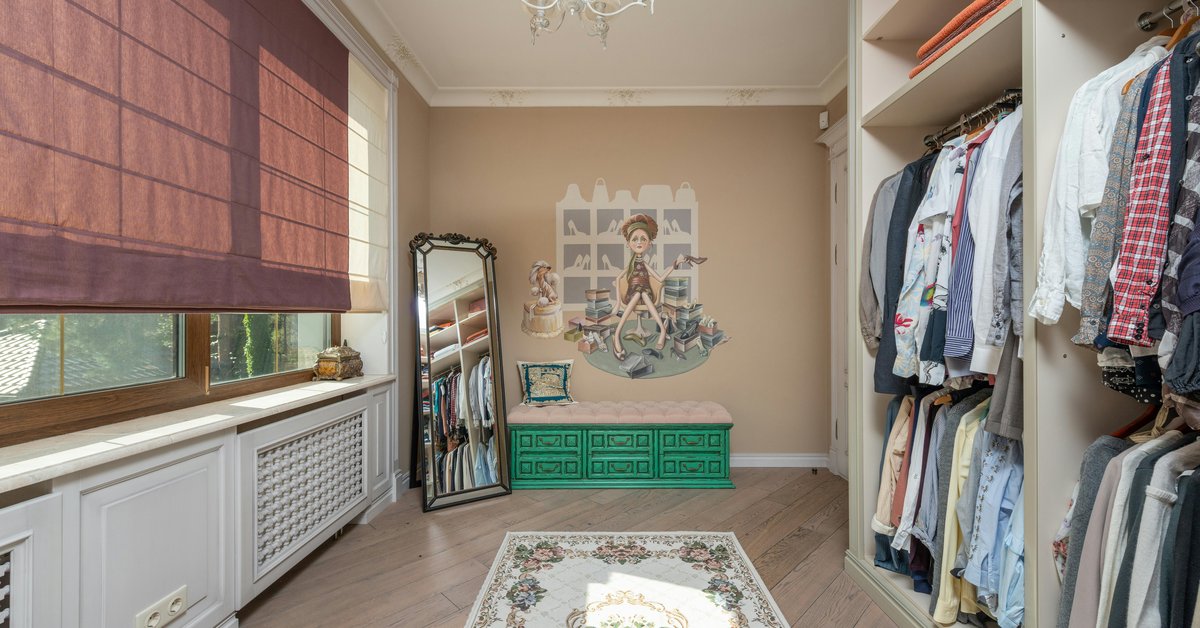
Why Vintage Style Works in Walk-In Closets
Vintage style brings a warmth that many contemporary closets don’t have. An ornate mirror does most of the heavy lifting. Its carved frame and reflective glass pull in light from every direction, making even a small closet feel bigger. The worn look of aged gold or the richness of dark, hand-carved wood adds texture that flat, modern surfaces lack.
. For more ideas, check out Scandinavian Walk-In Closet Design Inspiration: A.
This approach works especially well if you tend to buy rich fabrics like velvet and silk, prefer warm lighting, and want furniture that feels built to last. Itâs for people who don’t want the closet to blend into the background. On the other hand, if youâre all about clean lines and white walls, vintage might feel a bit much. But if it’s for you, a vintage walk-in closet turns a daily routine into something special.
Planning Your Vintage Walk-In Closet Layout
Layout is where good ideas fall apart, especially when mirrors are involved. Start by measuring your space. Then plan three zones: hanging clothes, shelves or drawers, and a spot for mirrors in the dressing area. Where you put the mirror changes how the whole room feels. Try placing a large ornate mirror opposite a window to reflect natural light across the space. If thatâs not possible, put it across from your primary light sourceâlike a chandelier or lamp.
If the mirror is wall-mounted, make sure the wall can support it. Heavy gilded frames can weigh over 40 pounds. Use a stud finder and toggle bolts rated for that weight. Donât place a mirror behind a door or where it might get bumped. Floor-length mirrors with stands offer flexibility, but they take up floor spaceâmeasure first.
Arrange storage zones for easy flow: everyday items at eye level, high shelves for seasonal pieces. A vintage armoire or a custom island with detailed moldings can serve as a focal point and hidden storage. Avoid stuffing too many large pieces into a small area. One statement mirror works better than three competing for attention. Too much stuff feels chaotic, which is the opposite of what you’re aiming for.
Choosing the Right Ornate Mirror for Your Closet
Picking a mirror involves more than just liking the frame. Start with the frame material. Gold leaf gives a true antique look but scratches easily. Carved wood (often painted or gilded) is more durable and works in bigger spaces. Antique silver has a cooler tone that pairs well with gray or blue walls.
Size matters too. In a narrow walk-in, a tall arched mirror that stretches from floor to near ceiling makes the room feel longer. For a wider room, a round or oval gilded mirror over a tufted bench or vanity creates a balanced look. Floor-length mirrors are great for checking your outfit but can feel heavy in a small room if the frame is overly ornate. A good rule: the mirror should take up about one-third to one-half of the wall width it’s on.
Here are some types worth considering:
- Best for narrow spaces: A tall, rectangular mirror with a carved wood frame in a dark finish. It draws the eye up.
- Best for above a vanity or bench: A sunburst or round gilded mirror, around 36 inches in diameter. It adds softness and light.
- Best for a bold statement: A full-length oval mirror with an antique silver frame, placed across from the entry door.
When shopping, look for real wood or composite frames. Avoid cheap plastic pretending to be carved. Check reviews for comments about frame sturdiness and whether the glass is distortion-free. If you need a wider range of styles, browsing ornate mirror options can be a good starting point.
Essential Vintage-Inspired Storage Pieces
The mirror is the anchor, but the furniture around it has to carry the theme. Start with seatingâa tufted ottoman or velvet bench adds vintage texture immediately. One with storage inside is even better. Dark wood like mahogany armoires or walnut jewelry chests reinforce the antique feel without requiring real antiques. Brass hardware on drawer pulls and ties everything together with warm tones that match gold or silver mirror frames.
For hanging storage, a vintage-inspired clothing rack with turned wood legs and brass casters works as both storage and decorationâespecially if you hang your favorite coats or dresses on it. A crystal chandelier or beaded glass pendant above the seating area pulls the whole look together. Every piece should feel like it belongs, not just thrown in.
A few practical buys that help:
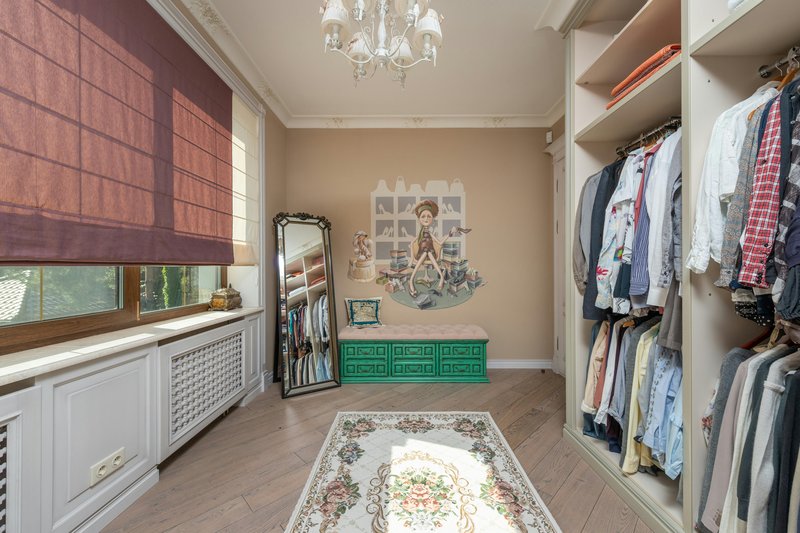
- A storage bench with a tufted velvet top for seating and hiding blankets or shoes.
- A vintage jewelry box with multiple drawers and a mirror lid for accessories.
- A wooden valet stand for hanging tomorrow’s outfitâfunctional and decorative.
Lighting: The Secret to Showcasing Ornate Mirrors
Lighting can make or break a vintage closet. Ornate mirrors are meant to catch and reflect light, so you need the right fixtures. Crystal chandeliers are an obvious choiceâthey sparkle and cast light in multiple directions, highlighting the details in the mirror’s frame. For something softer, try wall sconces with fabric shades on either side of the mirror. That gives even, flattering light for dressing without harsh shadows.
. If you’re interested in related upgrades, see our guide to Walk-In Closet Flooring Options: Style and.
A dimmer switch is worth the investment. It allows you to go from bright task lighting to a softer, moodier feel. Use warm LED bulbs (2700K to 3000K) to keep the light golden. Avoid cool white or daylight bulbsâthey wash out the richness of gold leaf and dark wood. If your closet lacks natural light, focus on overhead fixtures that bounce light off the mirror into the room. A well-placed sconce can turn a dark corner into a highlight.
Color Palettes and Wall Treatments for Vintage Appeal
Wall color sets the stage for the mirror and furniture. Muted sage green or dusty rose provides a soft, romantic backdrop that doesn’t compete with ornate frames. Deep navy or charcoal adds drama and makes gold or silver mirrors pop. For a more classic look, cream or ivory keeps the focus on the details. Paint finish matters: matte or eggshell hides imperfections and feels more period-appropriate.
Wallpaper adds even more personality. Damask patterns or floral prints in muted tones reinforce the vintage feel. If you’re not sure about wallpapering everything, do an accent wall behind the mirror. That’s where the eye goes anyway, so the pattern there has the most impact. Peel-and-stick options are easier to install and remove, making them good for renters or those who like flexibility.
Test your paint color against your mirror’s frame. A gold leaf mirror against deep green looks totally different than against pale pink. Buy sample sizes first. It’s a small step that saves you from a costly mistake.
Common Mistakes When Designing a Vintage Closet
Even with good intentions, it’s easy to go overboard. Here are the most common missteps:
- Too many antique pieces. A room full of ornate furniture feels cluttered. Pick one or two statement pieces and keep the rest simpler.
- Poor mirror placement causing glare. Putting an ornate mirror directly across from a window without a sheer curtain creates harsh light spots and makes it hard to see your reflection. Use diffused lighting or move the mirror.
- Ignoring storage functionality. A vintage closet still needs to hold your clothes. Don’t sacrifice hanging space for a decorative armoire that can’t fit long dresses. Measure everything first.
- Mismatching eras without cohesion. A Victorian mirror with a mid-century modern bench can clash if it’s not intentional. Stick to one primary eraâEdwardian, Art Deco, or Victorianâand bring in accents that support it.
These mistakes are easy to avoid with a bit of planning. Walk through your space mentally before buying anything. If it feels off, simplify.
Budgeting for Your Vintage Walk-In Closet
Costs vary, but here’s a realistic breakdown:
- High-end ornate mirror: $800â$2,500+ for solid wood, hand-carved, or antique pieces. Worth it for a focal point.
- Affordable replica mirror: $150â$400 for polyurethane or composite frames with good paint finishes. They look convincing from a distance.
- Furniture (armoire, bench, island): $300â$1,500 depending on wood and craftsmanship. Secondhand stores can save you 50% or more.
- Lighting: $100â$800 for a chandelier or sconces. Dimmers add $20â$50.
- Paint or wallpaper: $50â$300 for a single room. Peel-and-stick wallpaper is more expensive per roll but easier to install.
- Installation (mirror mounting, electrical): $150â$500 if hiring a pro for heavy items. DIY for lighter pieces.
The biggest tradeoff is usually the mirror itself. Spend more on a high-quality statement mirror if it’s the centerpiece. Save on decorative boxes, hangers, and small accessories that you can find affordably online or at thrift stores. Prioritize what people see first: the mirror and lighting.
DIY vs. Professional: When to Call an Expert
Some tasks are perfect for a weekend project. Others require real skill. Here’s how to decide:
- Painting: DIY-friendly. Use painter’s tape and a good brush for clean lines. For wallpaper, start with a small accent wall.
- Mirror installation: DIY if under 50 lbs and into studs. Over 50 lbs or if the frame is fragile, hire a professional. A dropped mirror means costly damage and risk of injury.
- Electrical work: Always hire a licensed electrician for chandelier installation or adding new sconce wiring. Not a DIY task.
- Furniture assembly: DIY for flat-packed items, but expect it to take time. For heirloom-quality pieces, ask the seller about white-glove delivery.
Being honest about your skills saves time and money. If you’re even slightly unsure about mounting a 60-pound mirror, spend the $100â$200 to have it done right. The peace of mind is worth it.
Final Touches: Accessorizing Your Vintage Closet
Accessories are the final layer that turns a well-decorated closet into something personal. Start with velvet hangers in a single colorâthey keep clothes from slipping and look uniform. Vintage hatboxes or leather-covered boxes add visual interest on high shelves while hiding off-season items. Place a crystal perfume tray on a dresser or vanity to catch small jewelry and create a dressing table look.
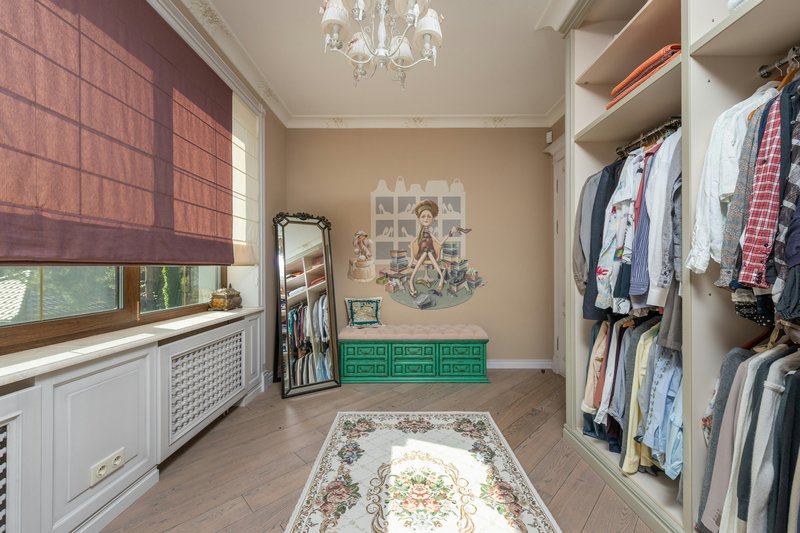
A small Persian-style rug near the center or in front of a bench softens the floor and adds warmth. Choose one with muted colors that match your wall palette. Don’t overcrowd surfaces. A few carefully chosen pieces have more impact than a cluttered shelf. The goal is to complement the ornate mirror, not compete with it. Less is more here.
. If you’re interested in related upgrades, see our guide to How to Design a Hollywood Regency Walk-In Closet:.
Ready to Start Your Vintage Walk-In Closet?
Building a vintage walk-in closet with ornate mirrors doesn’t require a massive budget or a design degree. Start with the layout and place your mirror strategically. Choose a frame that fits your space and style. Invest in good lighting and a coordinated palette. Avoid the common mistakes of overcluttering and poor mirror placement. Once the core is solid, add accessories that reinforce the look. The mirror is the centerpieceâbuild everything else around it. Measure your space, browse some options, and take the first step. Your ideal vintage closet is closer than you think.
Discover how to design a vintage walk-in closet with ornate mirrors. Practical tips, product picks, and common mistakes to avoid.
Discover how to design a vintage walk-in closet with ornate mirrors. Practical tips, product picks, and common mistakes to avoid.