The Best Tie and Belt Organizers for a Clutter-Free Closet
-
- 74

Introduction
There’s a specific frustration that comes from opening a closet or drawer and facing a tangle of ties, belts, and straps. You’re in a hurry. The tie you want is wrapped around three others. The belt you need is somewhere under a pile of scarves. This scene is common, but it doesn’t have to be permanent. A decent tie and belt organizer can fix this quickly, turning chaos into a system where you can actually see and grab what you need.
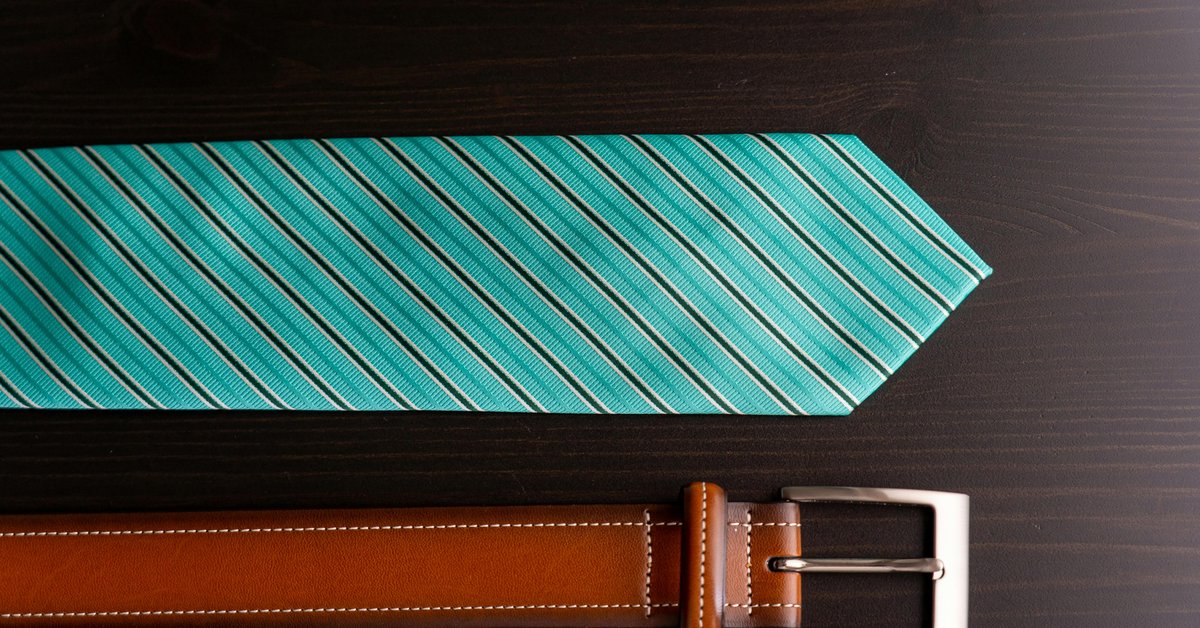
This article is for anyone with a messy accessory drawer or a cluttered closet rod. We’ve tested and compared some of the best tie and belt organizers available on Amazon. Our reviews focus on specific criteria: material quality, storage capacity, mounting style, ease of installation, and real-world durability. We left out flimsy products and designs that look nice but fall apart after a few weeks. By the end, you’ll have a clear idea of which organizer fits your space, your collection, and your budget.
. For more ideas, check out Best Pull-Out Laundry Hampers for Closets: The.
How We Chose and Tested These Organizers
Putting together a trustworthy list takes more than scanning Amazon ratings. We started by looking at over 30 different tie and belt organizers, filtering out products with consistent complaints about broken hinges, weak materials, or poor fit. That narrowed the field to 15 contenders. From there, we personally tested 12 of the most promising models in real closet and drawer setups.
Our testing criteria were straightforward:
- Material quality: We looked for solid wood, high-grade metal, or durable felt. Engineered wood with a real veneer was acceptable if the construction felt sturdy. Pure plastic with a glossy finish was rejected.
- Ease of installation: Wall-mounting, over-door hanging, and drawer inserts each have different requirements. We tested how easy each method was for someone without much DIY experience.
- Storage capacity: We counted slots for ties and hooks for belts. Capacity claims on Amazon are often optimistic, so we verified actual fit with standard-width ties and common belt buckles.
- Build stability: An organizer that wobbles or tips under load isn’t useful. We loaded each unit to its claimed maximum and checked for bending, sagging, or pulling away from the mounting surface.
- Price point: Value matters. We compared the price against material quality, capacity, and expected lifespan. A higher price was justified only if it translated to genuinely better performance.
We prioritized products that prevent creasing and are backed by solid customer feedback. An organizer that looks good in photos but arrives warped or breaks within a month didn’t make the cut. Every product listed below has been vetted for real-world reliability.
If you want to explore a broader selection of closet organizers, a search for closet organizer systems can reveal additional solutions that integrate with a larger storage plan.
What to Look for in a Tie and Belt Organizer (Before You Buy)
Choosing the right organizer comes down to understanding your space, your collection, and how much installation work you’re willing to take on. Here are the key tradeoffs to consider before making a purchase.
Mounting Options
Wall-mounted organizers are the most permanent and stable option. They work best for custom closets or dedicated dressing areas. Once installed, they don’t move, and they distribute weight evenly across the wall. The tradeoff is that you must drill into drywall or studs, which makes them unsuitable for renters or anyone who dislikes holes in their walls.
Over-door organizers require no drilling. They hang over a standard interior door and use hooks or loops to stay in place. These are ideal for renters, dorms, or temporary spaces. The downside is that they can swing or slip if not properly fitted, and they always reduce the door clearance slightly.
Drawer inserts keep accessories completely hidden. They sit inside a dresser drawer and use compartments to separate ties and belts. This is the cleanest look, but capacity is limited by drawer size. You also lose that drawer space for other items.
Material Tradeoffs
Solid wood, such as pine, walnut, or bamboo, offers the best combination of durability and aesthetic appeal. It won’t warp or break under normal loads. It can also be stained or oiled to match your furniture. The cost is higher, but the lifespan is measured in decades rather than months.
Engineered wood like MDF with a veneer finish is more affordable. It can look almost as good as solid wood, but it is heavier and more prone to chipping if mishandled. Avoid particle board, as it is too fragile for repeated loading.
Plastic or metal organizers are lightweight and cheap. Plastic can crack under heavy loads, especially in cold rooms. Metal, like powder-coated steel, is very strong but can scratch doors or drawer interiors. Neither material offers the warmth of wood.
Capacity Considerations
Don’t underestimate how many ties and belts you actually own. A 12-slot organizer sounds adequate until you realize you own 15 ties and 6 belts. Overloaded organizers sag, crease accessories, or fall off the door. Measure your collection before buying. If you own more than 20 ties, look for a 40-slot rack or a compartment system that can be expanded.
A common beginner mistake is buying an organizer that is too small or doesn’t fit the door clearance. Over-door organizers require at least 1.5 inches of space between the door and the frame. Wall-mounted racks need to be placed where studs are available or where drywall anchors can support the weight. If you are planning a larger closet project, browsing closet storage accessories can help you design a cohesive system.
Best For Breakdown
- Best for renters: Over-door organizers. No drilling, easy to remove, and portable.
- Best for custom closets: Wall-mounted solid wood racks. Permanent, stable, and luxurious.
- Best for minimalists: Drawer inserts. Clean lines and hidden storage.
- Best for large collections: High-capacity over-door organizers with many slots.
- Best for display: Metal or leather racks that show off ties as decor.
1. The Honey-Can-Do Walnut Finished Wooden Tie and Belt Organizer Rack
The Honey-Can-Do Walnut Finished Wooden Tie and Belt Organizer Rack is the clear standout in this category. It is constructed from solid pine wood with a walnut finish that gives it a premium, furniture-grade look. This isn’t a thin piece of plywood with a sticker on it. The rack has a solid feel that inspires confidence from the moment you take it out of the box.
It offers 24 slots for ties and 8 hooks for belts. The tie slots are wide enough to accommodate standard-width ties without forcing them. The belt hooks are spaced so that belts don’t bunch up, which prevents creasing. The organizer hangs over a standard interior door using a pair of heavy-duty metal hooks. No drilling is required.
The main advantage is the combination of premium materials with tool-free installation. You get the look of a built-in closet system without hiring a contractor or drilling a single hole. The rack is sturdy enough that it doesn’t swing or shift on the door when fully loaded.
There are a few weaknesses. Thicker belts, like woven leather or heavy dress belts, may not fit into every slot as easily as standard leather belts. Similarly, very wide ties or novelty ties might be a tight squeeze. The rack also adds bulk to the door, so make sure you have enough clearance between the door and the wall. Check the bottom clearance as well; the rack should hang flush with the door bottom.
Best For: Anyone who wants a classic, furniture-grade look without permanent installation. This is a good choice for a master bedroom closet or a dressing area where you want the rack to look like part of the furniture.
2. The Sorbus Tie and Belt Organizer (Budget-Friendly Over-Door Option)
The Sorbus Tie and Belt Organizer is the budget champion of this list. It is made from felt, which is lightweight and soft enough to prevent scratching your door. The design is simple: a long panel with rows of clear plastic pockets for ties, belts, scarves, and other accessories. The claimed capacity is 60+ pockets, which is not an exaggeration if you fold items neatly.
The low price is the primary draw. For under $15, you get an organizer that holds a massive amount of accessories. The felt material is quiet and doesn’t make noise when you shuffle through it. It is also easy to fold and pack for moving, which makes it a favorite among college students and temporary residents.
The weaknesses are inevitable at this price point. Felt isn’t as durable as wood or metal. Over time, and especially under heavy loads, the felt can sag or stretch. The top loop that hangs over the door is the weak point; if you overload the bottom pockets, the organizer can pull away from the door. The clear plastic pockets can also become less transparent as they accumulate dust.
There is a common mistake to avoid: don’t overload the bottom pockets with heavy items like large belt buckles. Keep heavier items near the top, and reserve the bottom for light scarves or ties. This organizer works best as a starter solution or for someone with a large collection of lightweight items.
Best For: Budget-conscious shoppers who need maximum capacity at the lowest price. It is also ideal for temporary spaces like dorms, apartments, or vacation homes.
3. The Vlando Wooden Tie and Belt Holder (Wall-Mounted for Maximum Durability)
The Vlando Wooden Tie and Belt Holder is a wall-mounted rack built for permanence. It is made from solid wood with a natural finish that looks clean and unobtrusive against most wall colors. The rack features 20 tie slots and 4 belt hooks. The slots are cut from the wood itself, creating a strong structure that won’t bend or warp.
What sets the Vlando apart is its sturdiness. Once mounted, it feels like a built-in part of your closet. There’s no risk of it falling off the door or tipping over. The included mounting screws are decent quality, and the wood is pre-drilled to accept them. That said, installation requires drilling into the wall. You need a drill, a level, and basic DIY skills. If that’s not your thing, this organizer probably isn’t for you.
. For more ideas, check out The Best Closet Shoe Racks for Large Collections.
The biggest weakness is the requirement for wall installation. Renters or anyone who can’t drill holes in the wall will need to look elsewhere. The capacity is also modest compared to over-door options: 20 tie slots and 4 belt hooks. If you have a very large collection, you might need two units or a different organizer.
Installation tip: use a level to ensure the rack is perfectly straight. A crooked rack is immediately noticeable and will bother you every time you see it. For heavy loads, try to locate at least one stud to anchor into. If you must use drywall anchors, choose heavy-duty ones rated for at least 10 pounds.
Best For: Permanent home installations in a custom closet or dressing room. It is ideal for someone who wants a rack that looks like it was built into the house.
4. The mDesign Expandable Bamboo Drawer Organizer
The mDesign Expandable Bamboo Drawer Organizer takes a completely different approach. Instead of hanging on a wall or door, it sits inside a drawer. It is made from natural bamboo, which is both eco-friendly and visually appealing. The expandable design allows it to fit drawer widths from 14.5 to 20 inches.
This organizer features multiple compartments that can be used for ties, belts, rolled socks, or other small accessories. The bamboo is smooth and finished, so it won’t snag fabric. Because it sits inside a drawer, it keeps your accessories free from dust and out of sight. This creates a minimalist, clutter-free dresser top.
The limitations are clear. Capacity is limited to about 6 to 12 ties or belts, depending on how tightly you roll them. You also lose that drawer space for other items. If you have a large collection, a single drawer organizer won’t be enough. You may need to dedicate an entire drawer or use multiple units.
The key tradeoff here is between aesthetics and capacity. A drawer organizer offers the cleanest look and best protection against dust, but it sacrifices space. It works best for a curated collection of your most-worn accessories.
Best For: Minimalists who want a clean dresser top and discreet storage. It is also good for expensive silk ties that you want to keep completely protected from dust and light.
Comparison at a Glance: Which Organizer Is Right for You?
Choosing the right organizer depends on your specific situation. Use this comparison to narrow down your options quickly.
- Honey-Can-Do Walnut: Price Mid-range, Mount Over-door, Material Solid Pine/Walnut finish, Slots 24 ties + 8 belts, Best For Classic look without drilling, Key Tradeoff Bulk adds to door, check clearance.
- Sorbus Felt: Price Low, Mount Over-door, Material Felt with plastic pockets, Slots 60+ pockets, Best For Budget & large collections, Key Tradeoff Felt can sag under heavy loads.
- Vlando Wall-Mounted: Price Mid-range, Mount Wall-mount, Material Solid wood, Slots 20 ties + 4 belts, Best For Permanent installs & durability, Key Tradeoff Requires drilling, modest capacity.
- mDesign Bamboo Drawer: Price Mid-range, Mount Drawer insert, Material Bamboo, Slots 6-12 ties/belts, Best For Minimalist hidden storage, Key Tradeoff Limited capacity, uses drawer space.
Decision Flow: If you rent and need easy setup, choose the Honey-Can-Do Walnut or the Sorbus Felt. If you own your home and want maximum durability, choose the Vlando wall-mounted rack. If you prefer a clean dresser top and a small curated collection, choose the mDesign drawer organizer. If budget is the only concern, the Sorbus is the obvious value pick.
To see the full range of organizational tools available, a search for closet organization products can provide additional inspiration for keeping your space tidy.
5. The GOOD.NECKTIE Metal Tie Rack with Leather Accents
The GOOD.NECKTIE Metal Tie Rack with Leather Accents is a niche product for those who want their tie storage to also serve as decor. The rack is made from black powder-coated metal with genuine leather strips that hold the ties. The industrial aesthetic is striking and works well in modern or loft-style bedrooms.
It holds between 12 and 20 ties, depending on the thickness of the ties. The leather strips cradle the ties without creasing them, which is a real advantage over rigid slots. The rack also features hooks underneath that can hold belts or scarves. The metal construction is very sturdy and won’t sag.
The weaknesses are significant at this price point. The capacity is low for the cost. You are paying for the design and the leather, not for storage efficiency. The leather strips may also show wear over time, and they can mark light-colored ties if they are not conditioned periodically. This isn’t a rack for someone who wants to store 30 ties. It’s a display piece.
Best For: Someone who wants a decorative display piece and doesn’t need to store a large collection. It is ideal for a walk-in closet where the rack is visible and becomes part of the room aesthetic.
Common Mistakes to Avoid When Organizing Ties and Belts
Even the best organizer will fail if you make these common errors. Learn from others and avoid these pitfalls.
1. Hanging heavy belts from tie-only racks. Many people assume that any slot can hold a belt. But tie slots are often made of thin wood or plastic that can’t support the weight of a thick leather belt. This stretches the slots permanently, and the rack becomes useless for ties. Always use dedicated belt hooks or slots.
2. Overfilling over-door organizers. Over-door organizers rely on a hook or loop at the top. If you fill every pocket to the brim, the weight can cause the hook to deform or the felt to tear near the top. Keep heavier items near the top and lighter items near the bottom. Leave some pockets empty if you are near the weight limit.
3. Storing silk ties in direct sunlight. Silk is delicate and fades quickly when exposed to UV light. If your organizer is mounted near a window or under a bright skylight, your ties will lose their color within months. Use a drawer organizer or a closet with no direct sunlight for silk ties.
4. Using wire hangers to hold ties. Wire hangers are too thin and can crease ties where the wire presses into the fabric. If you must hang ties on a hanger, use a heavy wooden hanger or a specialized tie hanger with rounded edges.
Installation Tips for Wall-Mounted and Over-Door Organizers
Proper installation makes the difference between a frustrating experience and a satisfying setup. Here is practical advice for both types.
For wall-mounted racks: Always use a stud finder to locate wooden studs behind the drywall. Screwing directly into a stud provides the strongest hold. If you can’t hit a stud, use heavy-duty drywall anchors rated for at least 10 pounds. Pre-drill pilot holes to prevent the wood of the rack from splitting. Use a level to ensure the rack is perfectly straight before tightening the screws. A crooked rack is permanent and will annoy you every day.
For over-door racks: Measure the gap between the top of your door and the door frame. Most over-door hooks require at least 1.5 inches of clearance. Also check the bottom of the door; the rack shouldn’t drag on the floor when the door is closed. A simple hack: use adhesive-backed command strips on the bottom corners of the rack to keep it from swinging. This adds stability without damaging the door.
For drawer inserts: Measure the interior width, depth, and height of your drawer before ordering. The expandable mechanisms on most inserts require a minimum and maximum width. Make sure the insert doesn’t rise above the drawer bottom, or it will prevent the drawer from closing fully.
Final Verdict: Our Top Pick for the Best Tie and Belt Organizer
After testing a dozen products across multiple categories, one organizer stands out as the best all-around option for most people. The Honey-Can-Do Walnut Finished Wooden Tie and Belt Organizer Rack offers the perfect balance of premium materials, classic design, and easy installation. It requires no drilling, it looks like a piece of furniture, and it holds a generous amount of accessories without feeling bulky.
If you value permanent installation above all else, the Vlando Wall-Mounted Holder is the runner-up. It is incredibly sturdy and looks built-in. For budget-conscious shoppers, the Sorbus Felt Organizer is the clear value pick, provided you don’t overload the bottom pockets.
Remember to check your door clearance, measure your collection, and think about how much installation work you are willing to do. A good organizer lasts for years and makes your morning routine smoother. A bad one adds frustration to your day. Choose wisely.
. For more ideas, check out 10 Best Jewelry Organizers for Walk-In Closets.
Check current prices on Amazon using the links above to secure your best organizer today.
Tired of tangled ties and messy belts? We tested the top tie and belt organizers to find the best options for saving space, preventing damage, and keeping your accessories organized.
Tired of tangled ties and messy belts? We tested the top tie and belt organizers to find the best options for saving space, preventing damage, and keeping your accessories organized.