Scandinavian Walk-In Closet Design Inspiration: A Practical Guide to Simplicity & Function
-
- 66

The Scandinavian Walk-In Closet: Design That Works Every Day
A Scandinavian walk-in closet isn’t about showing off a huge shoe collection. It’s the opposite. It’s about building a calm, functional space where everything has a home. The idea is to strip away the extras and leave a room that feels orderly, warm, and easy to live with.
If your closet feels chaotic, or you’re starting from scratch and want something that makes mornings easier, this is for you. We’ll talk about layouts, materials, lighting, storage systems, and some common mistakes people make with this style. The goal is to give you ideas you can useânot just pretty photos.
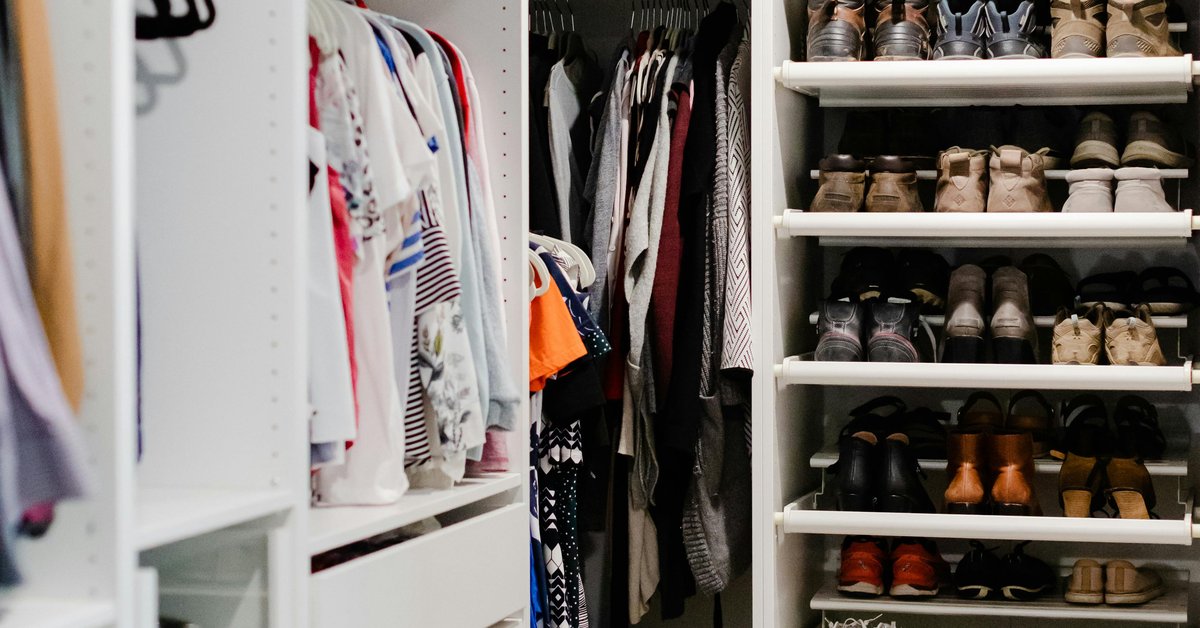
. For more ideas, check out Modern Parisian Chic Walk-In Closet Inspiration:.
Why Choose a Scandinavian Walk-In Closet?
Standard walk-in closets often prioritize capacity over everyday sanity. You get rows of shelves, double rods, maybe a chandelier. It can feel like a store stockroom. Scandinavian design flips that. It focuses on daily function. You don’t need room for clothes you rarely wear. You need space for what you actually use, organized so you can see it, grab it, and go.
Compared to a Hollywood-style closet with bright lights and mirrored surfaces, a Scandinavian version feels quieter. It relies on quality materialsâlight wood, soft textiles, matte metalâto create a space that’s simple but genuinely warm. That warmth comes from texture, not clutter. A linen bin, a wool rug, or a natural wood shelf makes the room feel inviting, even when it’s mostly empty.
Another practical upside: easier maintenance. Fewer surfaces and open layouts mean less dusting. Uniform hangers and shallow shelves mean you don’t have to dig through piles to find a sweater. This is a closet that works for you, not one you fight with every morning.
Core Principles of Scandinavian Design Applied to Closets
The style is more than a look. It’s a set of principles that make a space function better. Here’s how that works in a closet.
Minimalism: Fewer, Better Things
Practically, this means choosing one good storage system over a collection of mismatched bins and racks. A few well-spaced shelves and a single rod will serve you better than cramming in a wire unit and a freestanding wardrobe. Keep storage elements uniform in material and color. That visual consistency is the foundation of the look.
Functionality: A Place for Everything
Every drawer, shelf, and hook should do something specific. Adjustable shelving is importantâyou’ll want to change shelf heights as your wardrobe changes. Pull-out drawers for accessories, narrow shelves for folded jeans, a spot for shoesâall of it makes the space feel intentional. A Scandinavian closet solves a storage problem cleanly.
Natural Light and Hygge
If you have a window, don’t cover it with heavy curtains. Use a simple shade or leave it bare. Let in as much natural light as possible. For artificial light, skip cool, blue-toned bulbs. You want something that mimics daylight but feels warmerâaround 2700K to 3000K. That keeps it from feeling like an exam room. Hygge, the Danish idea of coziness, comes from layering soft texturesâa wool throw on a bench, a sheepskin rug on the floor. It’s not about stuff. It’s about how the space feels.
Planning Your Layout: Open vs. Modular Systems
You’ve got two main layout directions for a Scandinavian walk-in closet. Neither is universally better. It depends on your space and how you use it.
Open, Closet-Like Systems
This approach uses open hanging rails, a few shelves, and maybe some drawer units. It’s essentially a high-end closet system where everything is visible. It works well in small to medium rooms because it keeps things feeling open. You can see all your clothes at once. The catch is that everything needs to look good. You can’t hide ugly hangers or mismatched bins. You’ll need uniform hangers and a disciplined wardrobe. To keep this look, a set of matching velvet hangers helps keep it cohesive.
Modular, Sectioned Systems
Modular systems use built-in cabinets or units like IKEA PAX or Elfa. You get closed cabinets for things you don’t want to see, mixed with open sections for daily clothes. This works better for larger collections or if you have items that don’t look great on displayâthink plastic bins or vacuum bags. It offers more flexibility, and you can customize each section to fit. The downside is cost and installation complexity. These can get expensive and tricky to install perfectly.
In both cases, leave some empty space. Don’t fill every inch. A blank wall or a gap between shelves makes the room feel bigger and less crowded. That’s a hallmark of Scandinavian designâspace itself is a luxury.
Material Choices: Wood, Metal, and Textiles
The material palette is simple but intentional. You’re choosing long-lasting, natural-looking elements that can handle daily use.
Light woods (birch, oak, pine) are the backbone. They bring warmth without darkening the room. Use them for shelving, drawer fronts, and open hanging rods. Skip high-gloss finishes. Matte or satin looks better and hides fingerprints. Dark wood like walnut can work as an accent, but keep it to one or two pieces. Too much dark material shrinks the room visually.
Metal accents should stay minimal. Think matte black or brushed steel. Use them for hanging rails, drawer pulls, maybe a mirror frame. Avoid polished chrome or goldâthey clash with the understated vibe. The metal should provide structure, not shine.
Textiles add softness. Use linen or cotton storage bins for accessories. A wool rug underfoot creates a defined zone. These materials absorb sound, making the space quieter and more serene. They also let you bring in color through natural dyesâa muted sage green bin or a terracotta runner adds personality without breaking the minimalist rule.
Lighting: The Key to a Scandinavian Look
You can have beautiful wood shelves and a perfect layout, but bad lighting will kill the whole effect. Scandinavian design relies on layered, warm light.
Ambient lighting is the base. A dimmable overhead fixture with diffused light works well. Avoid bare bulbs. Use a fixture with a fabric shade or frosted lens. Recessed spotlights also work, but put them on a dimmer. Stick with 2700K to 3000K color temperature.
Task lighting is for specific areas. Integrated LED strips under shelves or along hanging rods light up your clothes without casting shadows. That’s essential for seeing colors correctly when you’re picking an outfit. Install these strips inside drawers tooâmakes a big difference at night. A simple way to improve visibility is with LED strip lights designed for shelves, which can be added without major electrical work.
Accent lighting is optional but nice. A small picture light on a mirror or a low-wattage floor lamp in a corner adds depth. Keep these warmerâaround 2700Kâto contrast with the task lighting.
Storage Solutions That Keep Clutter at Bay
The right storage systems turn a good layout into a great one. You need pieces that are practical and visually consistent.
Open hanging rods are a staple. Use a single rod for long items, a double rod for shirts and pants. Keep all hangers identical. Wooden or velvet-covered ones look best. Wire hangers don’t belong here.
Shallow shelves are for folded items. No deeper than 12 inches. If a shelf is too deep, you’ll stack things in front and lose track of what’s behind. Narrow shelves force you to fold neatly and keep only what you need.
Drawer dividers are essential. Without them, a drawer becomes a black hole for socks and belts. Use bamboo or felt dividersâthey’re inexpensive and make a noticeable difference. Adjustable bamboo drawer dividers are a good option for keeping small items organized.
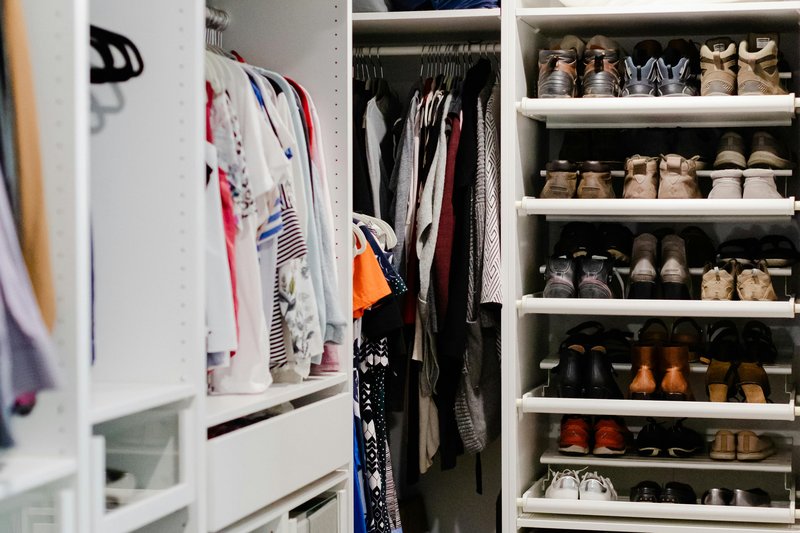
Concealed hampers are a good idea. A pull-out hamper drawer or a simple bin inside a cabinet keeps dirty laundry out of sight. You’ll need to plan for this during the layout phaseâallocate drawer space for it.
. For more ideas, check out French Country Walk-In Closet Inspiration: Design.
For budget-conscious readers, IKEA PAX is solid. It’s modular, affordable, and comes in light colors. Elfa is more expensive but offers better adjustability and a cleaner look. Both work if you stick to the same material family. Don’t mix components from different systems unless they match perfectly in color and finish.
Color Palettes: From White and Gray to Muted Earth Tones
Choosing paint colors is an early decision that sets the tone. Stick with whites that have warm undertones. Pure white (which is actually cool) can look sterile and cold in a closet. Try a white with a slight beige or creamy tone. Farrow & Ball’s ‘Wimborne White’ or Benjamin Moore’s ‘White Dove’ are reliable choices.
For walls, pale grays or soft beiges work well. They add depth without darkening the room. If you want more character, consider a muted earth tone on one wall. A dusty blue (like ‘Hague Blue’ from Farrow & Ball) or a soft sage green (‘Sage’ from Benjamin Moore) can define the dressing area or the zone around a mirror. Keep the other three walls light.
Avoid dark colors entirely unless your closet has exceptional natural light and is quite large. Dark walls will make a small closet feel like a cave. Also skip high-gloss paint. Matte or eggshell finish is more forgiving and feels more natural.
Common Mistakes to Avoid When Designing a Scandinavian Closet
These are mistakes people make repeatedly. Here’s what to watch out for.
- Overcrowding. You don’t need a shelf for every single item. Leave empty space. A full closet feels chaotic, even if it’s tidy. You need room to breathe.
- Cheap, shiny materials. Low-quality laminate or glossy melamine looks cheap and ages poorly. Spend a little more on solid wood or high-quality MDF with a matte finish. It’s worth it.
- Cool, blue-tinted lighting. This is the fastest way to kill Scandinavian warmth. Stick with 2700K to 3000K. Test a bulb before you buy a set. The color temperature makes a huge difference.
- Ignoring ventilation. Closets near bathrooms or in humid climates need airflow. Install a small dehumidifier or add a ventilation fan. Mold on clothes is a nightmare.
- Buying trendy storage pieces. That woven laundry bin you love? It’ll look dated in a year. Stick to timeless materials and shapes. Your closet should last for years, not seasons.
Budgeting for Your Scandinavian Walk-In Closet
You can create a Scandinavian-inspired closet on a moderate budget, but you need to know where to invest and where to save.
Where to spend: The hanging system. A quality rail and shelf system from a brand like Elfa or a custom wood shop is the foundation. It supports your clothes and looks good doing it. This can cost $200 to $1000 depending on size and material. Don’t cheap out here.
Where to save: Decorative accessories. Bins, baskets, and a few extras can be bought from IKEA or Target for $50 to $100. You don’t need designer brands for storage boxes. Just make sure they’re natural materials (bamboo, cotton, linen) and uniform in color.
Lighting: $100 to $500. A dimmer switch and a couple of LED fixtures will transform the room. You can do this yourself if you’re comfortable with basic electrical work. Otherwise, hire a pro for the wiring.
Paint and materials: $50 to $200. One gallon of quality paint covers a small closet. Add sandpaper, painter’s tape, and a brush, and you’re set.
DIY vs. professional: If you’re handy, you can install open shelving and lighting yourself. Modular systems like PAX are designed for DIY. But if you want custom cabinetry, hire a carpenter. Don’t attempt complex built-ins on your ownâit’ll look bad.
One more tip: check secondhand markets for furniture pieces. A vintage wooden bench or a mid-century mirror can add character at a low cost. This aligns with Scandinavian values of sustainability and reuse.
Scandinavian Closet Inspiration: Real Examples and Layout Ideas
Here are a few layout examples to help you visualize. These are based on common room shapes and sizes.
Small Reach-In Closet (4×6 feet)
Key design choices: Open single rod on one wall, shallow shelves above for folded items. A single drawer unit below for accessories. Use a soft beige wall color. Install a warm LED strip under the shelf. This layout maximizes every inch without feeling crowded. The open rod lets you see everything. The drawer unit hides small items. It’s simple, functional, and costs under $300 for the storage system if you use a kit like Elfa.
Medium Walk-In Closet (6×8 feet)
Key design choices: L-shaped layout. One side has a double hanging rod for shirts and pants. The other side has a single rod for long items (dresses, coats) with shallow shelves underneath for shoes. A bench sits in the corner. Use light oak for the rods and shelves. Add a large mirror on the wall opposite the bench. Lighting is a recessed dimmable ceiling fixture. This gives you distinct zones for different clothing types. Total storage system cost: around $600 to $800.
Large Luxury Walk-In Closet (10×12 feet)
Key design choices: U-shaped layout with a central island. Each wall has a dedicated zone: hanging, folding, shoes, and accessories. The island has drawers for jewelry and belts. Use solid birch for the shelving and drawer fronts. A large wool rug anchors the island. Lighting is layered: recessed ambient, track lighting over the island, and LED strips in the drawers. This setup is more expensive (starting at $1500 for the storage system), but it feels like a dressing room. what matters is to keep the island minimal. Don’t clutter it with decorative objectsâkeep it functional.
The Finishing Touches: Mirrors, Rugs, and Accessories
These are the details that tie the room together. Choose carefully. Too many accessories will ruin the calm.
Mirror: A full-length mirror with a simple wooden frame is essential. Place it where you can see yourself fully when dressing. Avoid multiple mirrorsâone well-placed one is enough.
Rug: A natural-fiber rug like jute, wool, or sisal adds warmth and defines a zone. Place it in front of your main hanging area or under a bench. Keep it low-pile so it doesn’t interfere with door clearance.
Bench or stool: A simple wooden or upholstered bench is functional and adds design. Use it to sit while putting on shoes. Choose a streamlined designâno ornate carvings.
Plant: A single low-maintenance plant like a snake plant or peace lily adds life without clutter. Use a simple terracotta or ceramic pot. A plant is one of the easiest ways to bring in a natural accent.
Is a Scandinavian Walk-In Closet Right for You?
This design style isn’t for everyone. It works best if you prefer clear surfaces and minimal visual noise. If you enjoy a cozy, collected look with lots of personal objects, Scandinavian design might feel too sparse. That’s fine. The point is to pick a style that supports your daily habits.
Ask yourself a few questions before committing: Do you enjoy maintaining a curated wardrobe? Are you willing to edit your clothes to match the look? Do you value open, airy spaces, even if it means less storage capacity? If you answered yes, Scandinavian design will make your mornings easier. If you love seeing a wall of shoes or have a large collection you want to display, you might prefer a different approach.
Start Designing Your Scandinavian Walk-In Closet
You don’t need a massive renovation to get started. Begin with a clear plan. Measure your space. Sketch a layout based on the principles we covered. Then make one small purchase: a set of uniform hangers or a single natural-fiber storage bin. Use it for a week. See if the simplicity feels right. If it does, move to the next stepâshelving, lighting, and the full system.
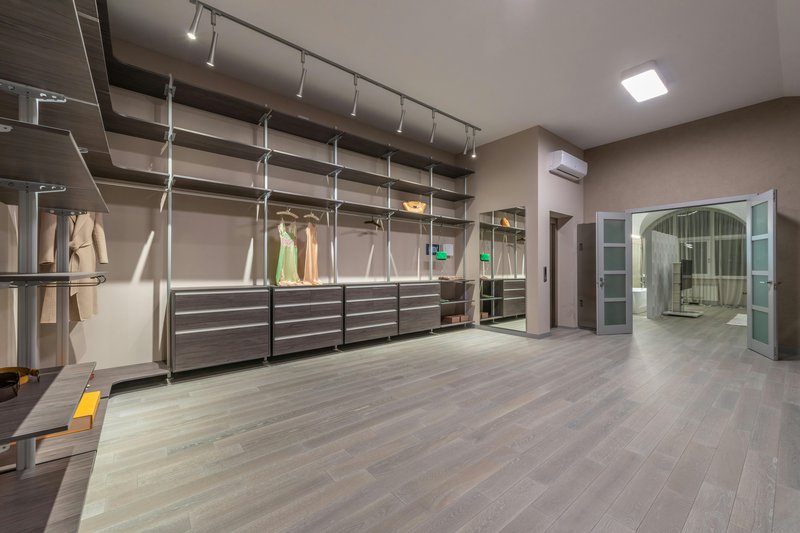
The best time to start is now. Don’t overthink it. Your daily routine will thank you.
. For more ideas, check out How to Design a Hollywood Regency Walk-In Closet:.
Discover practical Scandinavian walk-in closet design ideas. Learn about minimalist layouts, natural materials, and smart storage solutions for a serene, functional space.
Discover practical Scandinavian walk-in closet design ideas. Learn about minimalist layouts, natural materials, and smart storage solutions for a serene, functional space.