Modern Parisian Chic Walk-In Closet Inspiration: Design Secrets & Ideas
Introduction
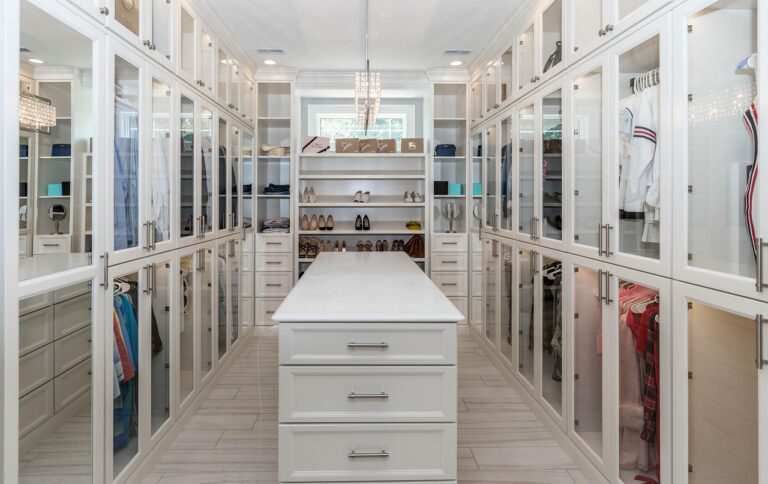
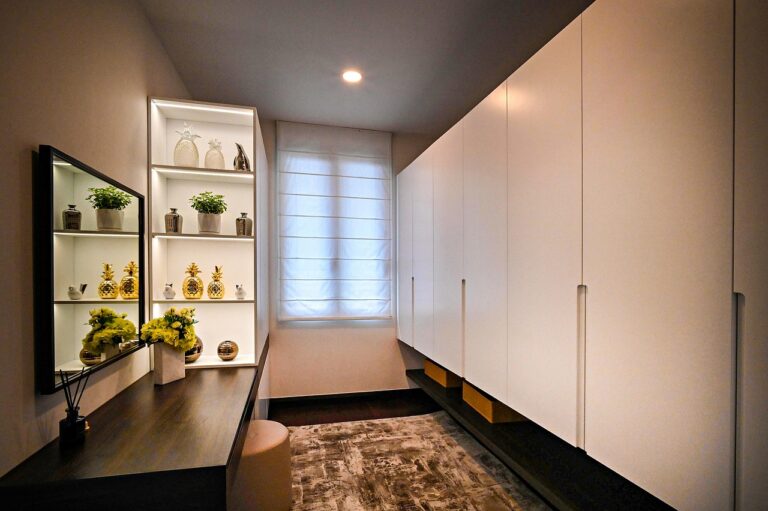
Building a walk-in closet that feels both luxurious and lived-in is harder than it looks. You want a space that doesn’t feel like a sterile dressing room or a cluttered overflow. The modern Parisian chic closet strikes that balance. It’s elegant but warm, curated but not fussy. Think soft off-whites, unlacquered brass, natural wood tones, and a mix of open display and closed storage. This style works well for walk-ins because it prioritizes calm and light over sensory overload. A Parisian chic closet is not about draping everything in velvet and gold filigree; it’s about creating a practical, beautiful space where you actually want to get dressed in the morning. This article covers the design principles, the storage realities, the common missteps, and the budget tradeoffs you’ll face when building your own version.
 unlacquered brass hardware, and open shelving with folded sweaters and handbags” loading=”lazy” />
What Defines a Modern Parisian Chic Closet?
Defining this style matters because ‘modern Parisian chic’ gets confused with other trends. It’s not Hollywood glam (no heavy crystal chandeliers or mirrored everything). It’s also not Scandinavian minimalist (sterile white, no warmth). It lives somewhere in the middle.
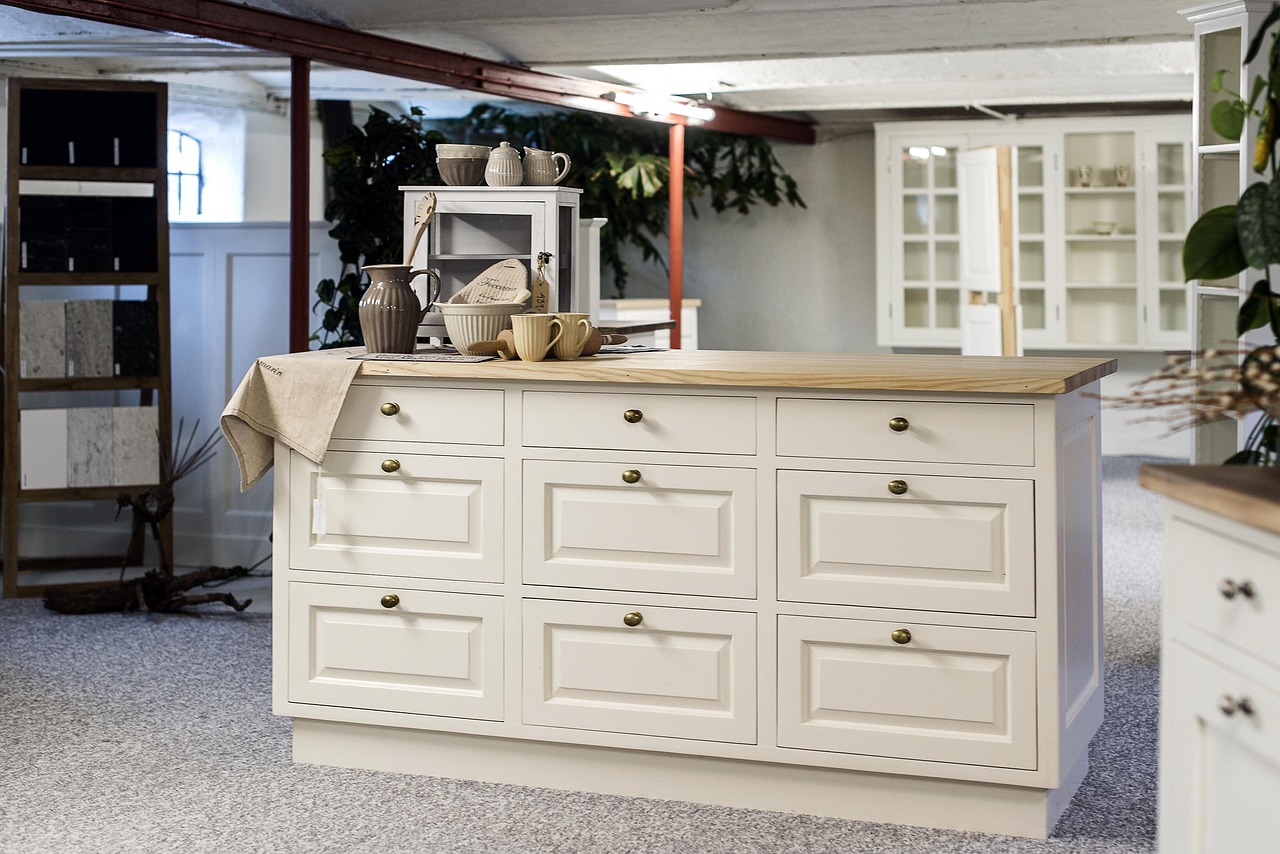
The key elements are a mix of vintage and contemporary, but the balance matters. You want an antique mirror or a mid-century chest of drawers against clean, straight shelving. You don’t want every piece to look like a flea market find or a showroom display. The palette is neutral but not cold: warm whites (never bright white), soft greiges, sometimes a dusty rose or pale sage accent. Natural materials anchor the look: unlacquered brass hardware that will patina over time, light oak or walnut shelving, Carrara marble for countertops or splashbacks, and linen or cotton for any soft furnishings.
This style works because it has character. It’s not a theme. It has depth from the mix of materials and the intentional imperfection of patina. Travelers who need a cohesive storage solution for a range of accessories may find that brass closet hardware is a simple way to add a consistent, warm detail throughout the space. If you lean sterile and want everything perfectly matching, this won’t feel right. If you want a space that feels personal and quietly sophisticated, you’re on the right track.
Key Design Principles for a Parisian Chic Walk-In
There are four design principles that consistently deliver this look without feeling like you just copied a magazine.
Symmetry and Balance
Walk-ins often have irregular layouts, but you can create balance with arrangement. Pair matching dressers on either side of a window. Center a bench in front of a mirror. Even if the room is small, symmetry brings a calm, tailored feel.
Layered Lighting
A single overhead light kills the mood. You need at least three layers: ambient (a flush-mount or small chandelier), task (lights near mirrors or display areas), and accent (under-shelf lighting or a floor lamp). Dimmers are non-negotiable. For a practical start, under shelf closet lighting can make a significant difference in daily usability.
Open vs. Closed Storage
This is the biggest practical decision. Open shelving lets you see everything, which sounds efficient but gets visually noisy fast. A Parisian chic closet uses open shelves for curated items: folded sweaters, stacked jeans, or handbags. Everything else goes behind doors. That includes off-season clothing, bulky coats, and anything that doesn’t spark joy when you look at it. The ratio should be about 60% closed, 40% open.
The Furniture Piece
This is not about floor-to-ceiling built-ins. A central armoire, a vintage vanity, or a large tufted ottoman grounds the room. It prevents the space from feeling like a store fixture. The furniture piece is also a practical decision point: do you need seating, or do you need more drawer space? Choose based on your habits, not the look.
The Most Common Mistakes People Make
Renovating a closet without seeing these mistakes first is painful. Here are the typical errors to avoid.
1. Over-accessorizing
Adding too many baskets, trays, vases, or artwork makes the room feel cluttered, not chic. Restraint is the rule. You want one tray for jewelry, one basket for belts, and maybe a small vase or a stack of art books on a shelf. More than that and you lose the clean visual line.
2. Using Pure White
Pure white paint (think bright white trim) looks cold and institutional in a walk-in closet, especially without natural light. Go for a warm off-white like Benjamin Moore White Dove or Farrow & Ball Shaded White. It softens the space and makes the brass hardware pop without being harsh.
3. Forgetting Everyday Practicality
You need a place for dirty laundry, for a hamper, for shoes that need to air out. You need hooks for robes and bags you use daily. If you design purely for the Instagram shot, you will resent the space in two weeks. Plan for the mess.
4. Choosing Trendy Over Timeless
That iron light fixture with the cage might be trendy now, but will you want it in five years? Stick with classic forms: simple flush-mounts, simple pendants, brass sconces. The same goes for hardware: avoid overly ornate or modern pulls. A simple rectilinear pull in unlacquered brass works for decades.

Smart Storage Solutions That Keep the Aesthetic Intact
Storage has to work hard without looking like it’s trying. The trick is choosing systems that solve real problems rather than just looking decorative.
Closed Storage for Bulk Items
Use cabinetry for off-season clothes, linens, and bulky outerwear. This keeps the visual noise contained. If you use bins inside cabinets, make them uniform: linen baskets or simple woven boxes. Avoid plastic tubs or random cardboard boxes.
Open Shelving for Curated Displays
Use open shelves for the things you wear most often: folded cashmere, stacked tees, handbags you want to see. Keep the shelf depth shallow (about 12 inches) so there’s no wasted space behind the items. Consider a shelf liner in a soft texture to prevent slipping and add warmth.
Baskets, Trays, and Vintage Boxes
These are your decorative organizers. A brass or lucite tray corrals small items on a dresser or shelf. A vintage leather box holds watches or cufflinks. Baskets hide less attractive necessities like chargers, shoe care kits, or extra belts. Don’t go overboard, but have a few dedicated spots for the things that accumulate.
For practical storage upgrades, consider velvet hangers (they keep clothes in place and look uniform), lucite organizers (invisible but functional), and brass hooks for bags and robes. These are small swaps that significantly improve the daily experience without making the space feel cluttered.
Choosing Finishes: Hardware, Lighting, and Mirrors
Finishes are where you get the most visual impact for the least spend, but you have to choose wisely.
Hardware: Brass vs. Nickel
Unlacquered brass is the classic Parisian choice. It develops a patina over time, which adds warmth and character. It’s not for people who want everything to stay shiny forever. If you prefer a consistent finish, polished nickel is a good alternative. It’s brighter than chrome but still neutral. Avoid oil-rubbed bronze or black matte hardware in this style; they read too rustic or modern.
Lighting: Flush-Mount vs. Pendant
For low ceilings, flush-mount lights with a simple glass or metal shade work best. For higher ceilings, a small chandelier or a single pendant adds drama without overwhelming. The fixture should be simple in form. Avoid anything with tassels, multi-layered shades, or overly decorative crystal. A brass or nickel fixture with a linen or opal glass shade is a safe choice that always reads well.
Mirrors: Antique, Arched, or Frameless
A mirror is both functional and a design element. An antique mirror with a simple wood or brass frame adds instant warmth. A tall arched mirror creates a sense of height. A frameless mirror works if the room is small and you want to keep it clean. Avoid overly ornate frames that collect dust and compete with the room. The mirror should feel like it belongs, not like it’s shouting.
Furnishing Your Closet: The Role of a Statement Piece
One signature piece changes the entire feel of a walk-in. It could be a tufted ottoman in a soft fabric, a vintage dresser with brass pulls, or a chaise lounge in a corner. That single piece becomes the visual anchor and gives the room personality.
Why does this work better than filling the room with expensive built-ins? Because built-ins can all blend together into a monotonous wall of cabinetry. A freestanding piece breaks that up and adds texture. It also offers flexibility: you can move it, replace it, or repurpose it later.
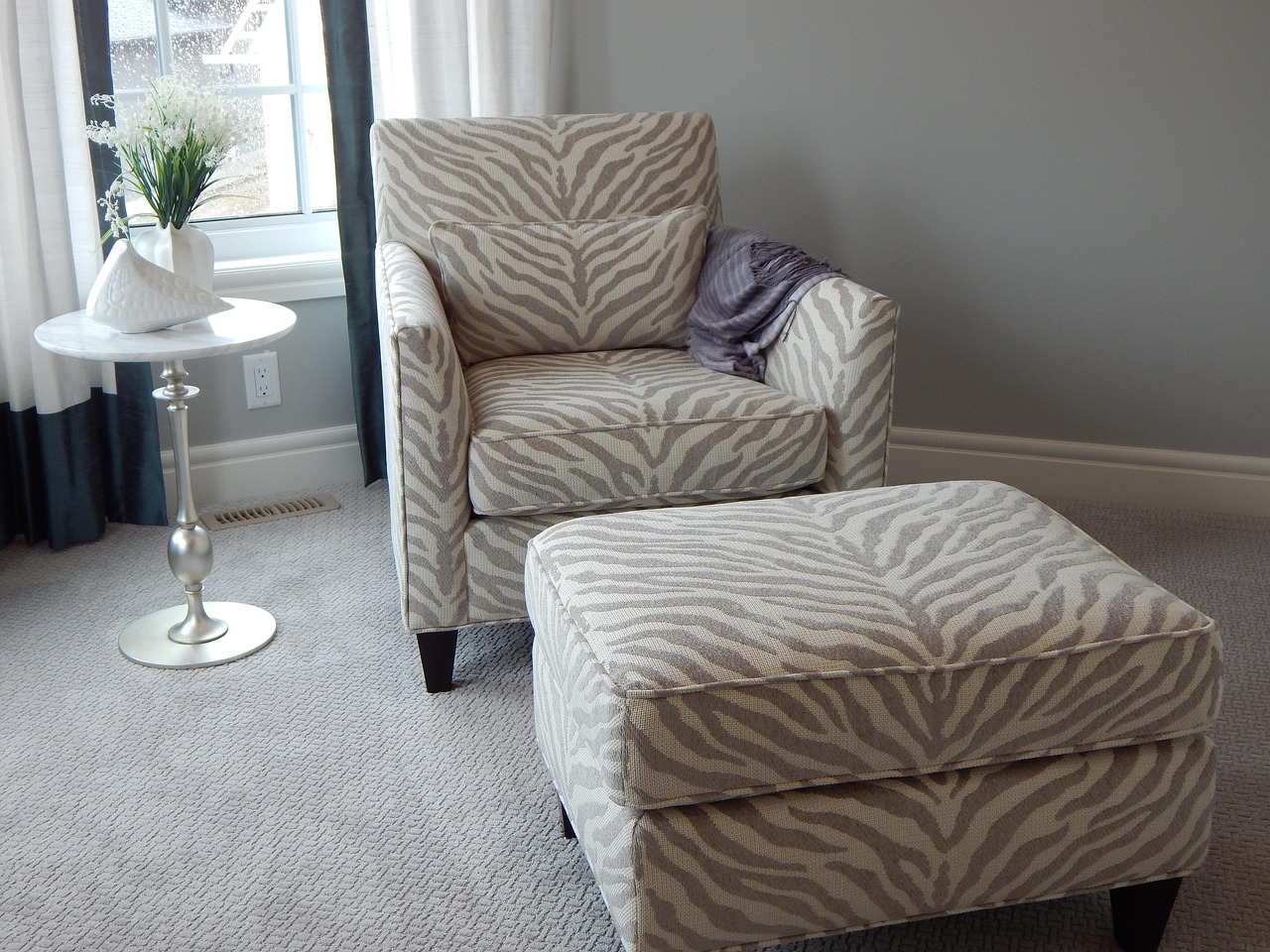
When choosing this piece, prioritize function. If you need a place to sit while putting on shoes, an ottoman or bench is practical. If you need more storage, a dresser or armoire serves double duty. The style should lean classic. A tufted velvet bench in a muted color or a simple walnut chest of drawers with clean lines works across many eras. Avoid anything too trendy, like a geometric ottoman or an acrylic piece, because this is the furniture that defines the space.

Budgeting for a Parisian Chic Closet Renovation
Realistic budgeting prevents frustration. The range is wide, depending on your starting point and ambition.
Budget-Friendly (Under $500)
This covers a fresh coat of paint in a warm off-white, new brass hardware on existing doors and drawers, a new flush-mount light fixture, and a set of matching velvet hangers and lucite organizers. You can also repurpose a secondhand dresser or a small bench from a flea market. It’s a cosmetic refresh, not a structural overhaul, but it can completely change the feel.
Mid-Range ($2,000 – $5,000)
This allows for new light fixtures (a pendant or small chandelier + sconces), a new paint color with professional work, new cabinet doors if needed, a new mirror, and a furniture piece like a tufted ottoman or a vintage dresser. You might also add some open shelving and closed cabinets from a modular system like IKEA Pax with custom doors or fronts.
High-End ($5,000+)
Full custom cabinetry, marble countertops, high-end lighting, custom mirror, and a designer furniture piece. This is for people who want the look exactly and are willing to pay for it. The splurge points should be lighting and hardware; those are the details people notice. Save on structural shelving and storage bins; no one cares if the internal shelves are custom vs. modular.
The Tradeoffs to Know
Don’t spend heavily on open shelving if you’re not naturally tidy. Use that money on good closed storage. Don’t skip lighting because you think paint is enough. Good lighting makes everything look better. Don’t over-order on baskets and trays before you know what you actually need to store.
Real Closet Examples: Before & After Transformations
These examples are based on real renovation experiences, not stock photos.
The Dark Box (Before)
A standard builder closet with a single central light, white melamine shelves, and no personality. The owner wanted warmth and a place to display favorite handbags. The Fix: Replaced the ceiling light with a brass flush-mount. Painted the walls a warm greige. Installed a modular system from a well-known brand, with closed doors on the lower half for shoes and bulk items and open shelving above for bags and folded items. Added a tufted bench in a light linen fabric. The result felt custom without the price tag.
The Mismatch Mess (Before)
A large walk-in with three different storage systems from different eras, a fluorescent light, and a broken mirror. The owner wanted a cohesive, restful space. The Fix: Tore out everything. Installed a simple system of walnut-stained wood shelving and closed cabinetry in off-white. Added a large arched mirror in a simple brass frame, a small chandelier, and a vintage dresser for jewelry and small items. The room went from chaotic to calm in about a week of work.
Is a Parisian Chic Closet Right for You?
This style is for you if:
- You want a space that feels warm and inviting, not like a hospital.
- You like the idea of mixing old and new, not having everything match.
- You appreciate patina and character over perfect newness.
- You can tolerate some open shelving and are willing to keep it tidy.
This style is not for you if:
- You prefer total minimalism and want a blank, sterile space.
- You prioritize pure industrial functionality (like a garage-style system).
- You hate the look of brass or anything that shows age.
- You have a very small closet and need every inch for utilitarian storage.
The core tradeoff is between visual softness and hardline efficiency. Parisian chic prioritizes warmth, light, and character. If that matters to you more than a clinically optimized system, go for it.
Start Designing Your Dream Closet Today
The best way to start is small. Pick one thing: change the paint color, swap out the hardware, or find a single lighting fixture that feels right. Those changes cost under $200 and will immediately shift the room’s energy. From there, you can add storage systems, furniture, and the finishing touches. Don’t wait for a perfect vision before you start. Start with one element that excites you, then build around it. Your Parisian chic closet is closer than you think. Start designing today.