Luxury Walk-In Closet Inspirations from Top Designers: A Practical Guide
-
- 63

Introduction
A luxury walk-in closet is more than just a storage space. Itâs a curated environment that blends function with personal style. For homeowners planning a high-end closet, the challenge isn’t finding spaceâitâs making the right choices. Materials, lighting, layouts, and storage details all need to work together.
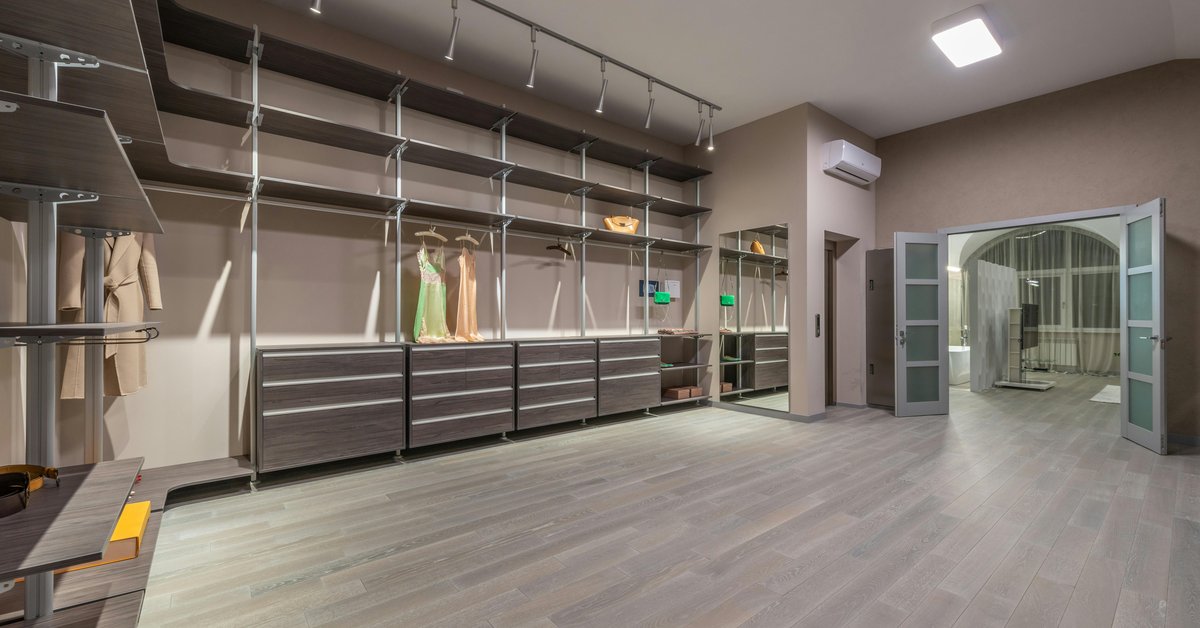
This article looks at real designer approaches to building a luxury walk-in closet. Weâll cover what defines the category, analyze specific designer aesthetics, break down practical layout options, and give you a realistic sense of project costs. Whether youâre working with a designer or handling the planning yourself, the goal is to give you ideas you can actually useânot just images to admire.
. If you’re interested in related upgrades, see our guide to Scandinavian Walk-In Closet Design Inspiration: A.
Every recommendation here comes from analyzing portfolios and industry trends. The focus is on replicable insights, not vague inspiration. If youâre looking for actionable steps to create a luxury walk-in closet that truly works for your lifestyle, this guide is for you.
What Defines a Luxury Walk-In Closet? Key Characteristics from the Pros
A luxury walk-in closet isnât defined by size alone. Itâs about the detailsâcustom millwork, premium materials, and thoughtful zoning. Hereâs what separates the high-end from the standard.
Custom Millwork. Built-in cabinetry designed specifically for your space is the foundation. Standard shelving doesnât cut it. Designers specify furniture-grade finishes like painted maple, walnut, or high-gloss lacquer. Joints are seamless, edges are finished, and everything is measured to the millimeter.
Dedicated Zones. A luxury closet has clear areas for different categories: hanging garments, folded items, shoes, accessories, out-of-season storage, and a dressing area. Each zone is designed with the right dimensionsâdeeper shelves for sweaters, higher hanging rods for long coats, and pull-out trays for smaller items.
Premium Materials. Think beyond wood. Marble or quartz countertops on islands, leather-wrapped drawer fronts, brass or matte black hardware, and natural fiber rugs. These materials add texture and weight to the room. Just be cautiousâmarble stains easily. Designers often use quartz for high-traffic surfaces.
Integrated Lighting. Recessed ceiling lights, LED strips inside cabinets, and accent lighting for display pieces. Lighting isnât an afterthoughtâitâs planned alongside the cabinetry. Dimmers are standard.
Seating. A bench, ottoman, or upholstered chair. Itâs not just for looksâit makes putting on shoes or planning an outfit comfortable. Designers treat this as a permanent fixture, not an afterthought.
If youâre planning a luxury walk-in closet, these are the essentials. Everything else is a variation on this core framework.
Designer #1: Kelly Wearstler â Eclectic Glamour and Mixed Materials
Kelly Wearstlerâs closet designs feel like gallery spaces. Theyâre bold, layered, and unapologetically decorative. But beneath the drama, thereâs real method.
Wearstler uses unexpected texturesâgrasscloth wall coverings, fluted glass cabinet fronts, brass hardware, and lacquered finishes. Her closets often feature sculptural seating, like a curved velvet bench or a vintage-inspired chair. The storage is custom, but the focal point is always a piece that makes the room feel intentional.
Practical Takeaway. You donât need a full renovation to borrow this approach. Start with a focal seating areaâa single statement chair or bench changes the feel of the room. Then layer in hardware. Swap out standard knobs for crystal or brass pulls. Even changing the handles on existing cabinetry makes a difference.
This style works best if you want your walk-in closet to be a showcase, not just a storage room. Itâs less about maximizing every square inch and more about creating an experience. But be prepared for higher maintenanceâgrasscloth and lacquer require careful cleaning.
Designer #2: Nate Berkus and Jeremiah Brent â Warm Minimalism with Organized Luxury
Nate Berkus and Jeremiah Brent take a different approach. Their closets are clean, neutral, and relentlessly organized. The focus is on functionality that feels luxurious without being fussy.
Key features include open shelving for folded items, integrated hampers, and valet rods for hanging tomorrowâs outfit. Central islands are common, often with hidden outlets for charging devices or steaming clothes. Drawers are deep and fitted with dividers. Pull-out tie racks are standard.
Why It Works for Couples. This style prioritizes order. Everything has a designated spot, which makes sharing a closet easier. Neutral palettesâbeige, cream, soft grayâkeep the space calm and prevent visual clutter.
Practical Takeaway. If you value efficiency over ornament, this is your blueprint. Invest in a central island with integrated storage and outlets. For well-organized drawers, consider drawer dividers that keep small items neatly separated. For everything else, closed cabinetry keeps the room tidy.
The downside? This look can feel sterile if not layered with texture. Add a rug, a few leather or woven baskets, and soft lighting to warm it up.
Designer #3: Martyn Lawrence Bullard â Hollywood Regency and Statement Lighting
Martyn Lawrence Bullard designs closets that feel like dressing rooms from another eraâglamorous, bold, and dramatic. Lighting is the centerpiece.
Chandeliers, wall sconces, and mirrored surfaces are signature elements. Wall coverings are richâthink lacquer, bold patterns, or animal prints. Mirrored cabinetry reflects light and makes the space feel larger.
Practical Takeaway. Lighting can transform a standard closet into a luxury walk-in closet. Bullard uses dimmable systems to transition from bright morning light to softer evening ambiance. If youâre working with a smaller budget, invest in quality lighting firstâit has the biggest visual impact.
This style is best for someone who wants a closet that doubles as a dressing room. If you have space for a seating area or a vanity, Bullardâs approach works beautifully. Just be careful with mirrored surfacesâthey show every fingerprint and need regular cleaning.
Layouts That Work: U-Shaped, L-Shaped, and Island Configurations Compared
The layout of your luxury walk-in closet determines how much storage you get, how easy it is to move around, and how the room feels. Hereâs a practical comparison.
U-Shaped Layout. This configuration has cabinetry on three walls. It maximizes wall space, which means more hanging rods, shelves, and drawers. It works best in larger rectangular rooms. The downside is that the corner areas can be hard to access. Use lazy Susans or pull-out racks for those spots.
L-Shaped Layout. Cabinetry on two walls, leaving the other sides open. This frees up floor area for a seating piece or a dressing table. Itâs a good choice for smaller footprints or rooms with windows. The tradeoff is less linear wall space for storage. Plan carefully for zones.
Center Island. Adding an island works with both U-shaped and L-shaped layouts. An island adds counter space for folding or display, and built-in drawers are excellent for small items. But an island eats up floor space. If your room is less than 10 feet wide, an island may make the space feel cramped. In larger rooms, itâs a standout.
Which One Should You Choose? For maximum storage, go U-shaped. For a more open feel, L-shaped with an island if the room allows. If you want a dressing experience, prioritize island space. Measure your room carefully and use floor tape to visualize the layout before committing.
Material Selection: What Designers Use and What to Avoid
Materials define the look and feel of a luxury walk-in closet. But not everything that looks premium is practical. Hereâs what designers typically chooseâand what they skip.
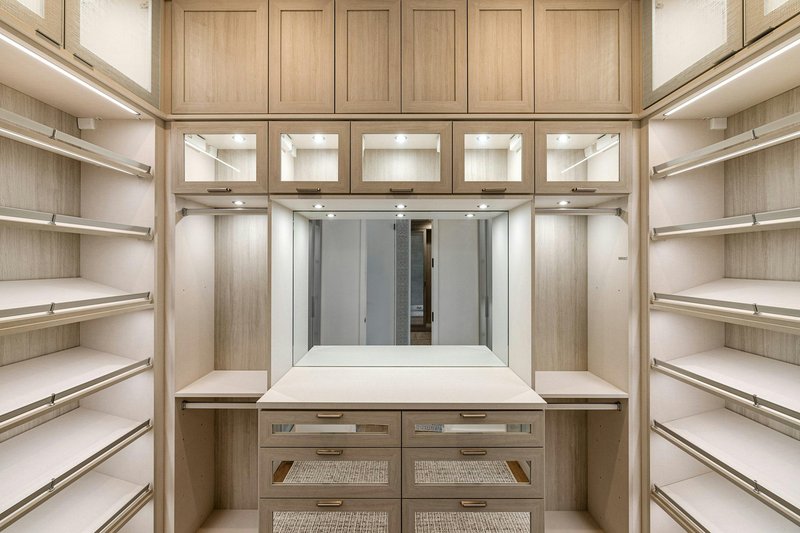
Cabinetry: Painted Maple vs. Walnut vs. High-Gloss Lacquer. Painted maple is versatile and durable. Walnut adds warm, natural grain but can darken a room. High-gloss lacquer looks modern but shows fingerprints and scratches. For longevity, painted maple or walnut with a matte finish is a solid choice.
. If you’re interested in related upgrades, see our guide to Industrial Pipe Walk-In Closet: Urban and.
Countertops: Marble vs. Quartz vs. Porcelain. Marble is beautiful but stains easily and requires sealing. Quartz is more durable and lower maintenanceâmost designers use it on islands where staining is more likely. Porcelain slabs are another option; theyâre thin but strong and come in large sizes for seamless looks.
Flooring: Wool Carpet vs. Sisal vs. Hardwood. Wool carpet feels soft underfoot and absorbs sound, but it shows wear in high-traffic areas. Sisal is textured and durable but can feel rough. Hardwood is classic but adds echo. For a luxury feel, many designers choose wool carpet for the main area and hardwood for adjacent spaces to create separation.
What to Avoid. Avoid high-maintenance materials in high-use areas. Marble on a countertop? Fine, if youâre careful. Marble on every surface? The upkeep will frustrate you. Also avoid standard wire shelvingâit cheapens the look instantly. If budget is tight, choose fewer premium materials rather than cheap ones everywhere.
Lighting Strategies from the Pros: Ambient, Task, and Accent
Lighting is the most impactful design decision for a luxury walk-in closet. It affects how colors appear, how easy it is to find items, and how the room feels overall. Designers layer three types of lighting.
Ambient Lighting. This is the overhead, general lighting. Recessed ceiling lights with warm LEDs (2700â3000K) are standard. Dimmers let you adjust brightness from bright morning light to softer evening mood.
Task Lighting. This lights specific work areas. LED strips inside cabinets, under shelves, or on valet rods make it easy to see what youâre selecting. For dressing areas, a small pendant or picture light over a mirror provides shadowless light for grooming. A high-quality LED lighting kit is worth considering for illuminating shelves and rods.
Accent Lighting. Used to highlight display piecesâa special handbag, a pair of heels, or art. Picture lights on shelves or small spotlights on a cabinet front create visual interest. Accent lighting isnât strictly necessary, but itâs what separates a room from a warehouse.
What to Buy. Look for dimmable under-shelf LED kits (available at home improvement stores or online). Choose lights with color temperature options. Install dimmer switches for any overhead fixtures. Good lighting is essential for a finished lookâskimping here will make even expensive cabinetry look flat.
Storage Solutions Designers Swear By: Drawers, Pull-Outs, and Specialty Racks
The storage components inside your luxury walk-in closet determine how organized it stays. Designers rely on specific systems that blend convenience with durability.
Deep Pull-Out Drawers. Standard depth is 12â18 inches. These are ideal for sweaters, jeans, and folded items. Look for dovetail joinery and soft-close mechanismsâthey last longer and feel premium.
Tilt-Out Shoe Bins. These allow shoes to be stored on a slant, making them visible. Theyâre more efficient than flat shelves because you can see the entire collection at once. For high heels, adjustable dividers are essential. A shoe organizer can help keep pairs together and easy to find.
Valet Rods. A short pull-out rod for hanging tomorrowâs outfit or items that need to air out. Theyâre small but surprisingly useful, especially for couples sharing a closet.
Pull-Out Tie and Belt Racks. Wall-mounted or drawer-mounted, these save hanging space and keep accessories organized. Look for wooden or metal racks that slide smoothly.
What to Avoid. Avoid cheap wire shelvingâitâs not designed for heavy use and looks out of place in a luxury space. Also avoid fixed dividers if your wardrobe changes seasonally. Adjustable options are worth the extra cost.
Common Mistakes When Planning a Luxury Walk-In Closet (and How Designers Avoid Them)
Even with a solid plan, mistakes happen. Here are the most frequent ones designers see from homeownersâand how the pros stay clear.
1. Underestimating Hanging Space for Long Garments. Dresses, long coats, and gowns need at least 48â54 inches of clear hanging space. Many people overestimate short hanging space and end up with rods too low for longer items. Measure your longest garment and plan accordingly.
2. Ignoring Ventilation. A closed closet can trap moisture, leading to musty smells. Designers include a small vent or leave a gap under doors for air circulation. In warmer climates, a dehumidifier is recommended.
3. Choosing a Single Light Source. Relying on one overhead light creates shadows. Layer ambient, task, and accent lighting for even coverage.
4. Skipping a Dressing Area. Even a small bench or stool changes how you use the closet. Without seating, youâll end up piling clothes on the floor or bed. Plan for at least one seating spot.
5. Prioritizing Looks Over Reachable Storage. Beautiful open shelving is useless if you canât reach the top shelf. Keep everyday items at waist-to-eye level. Reserve upper shelves for out-of-season storage.
Budget Breakdown: What a Designer-Level Closet Really Costs
A luxury walk-in closet is an investment. Hereâs a realistic breakdown of what you can expect to spend. Prices vary by location, material choice, and scope of work.
Total Range: $5,000â$25,000+
- Cabinetry (40â60%): Custom woodwork is the largest expense. Expect $3,000â$12,000 for a medium-sized closet using painted maple or walnut. High-end lacquer or exotic veneers push it higher.
- Installation (15â25%): Labor costs for custom cabinetry can run $1,500â$5,000. This includes removing old systems and assembling new ones.
- Lighting and Electrical (10â20%): New recessed lights, LED strips, and dimmers cost $1,000â$3,000. If you need new wiring, add more.
- Accessories and Hardware (5â10%): Drawer pulls, tie racks, valet rods, and organizers add up. Budget $500â$1,500 for quality components.
DIY vs. Professional. Off-the-shelf modular systems can be installed yourself for under $2,000 for a basic closet. However, achieving a luxury look with custom proportions usually requires a carpenter or closet company. If your budget is under $5,000, focus on lighting and a few premium accessories rather than trying to do a full custom build.
Comparing Custom, Semi-Custom, and Modular Systems: Which Suits You Best?
Most luxury walk-in closets fall into one of three categories. Each has tradeoffs. Hereâs how to decide.
Fully Custom. Everything is built to your exact specifications. You control materials, finishes, dimensions, and layout. This gives maximum flexibility and the highest quality. But itâs also the most expensive and has the longest lead times (6â12 weeks). Best if you have an irregularly shaped room or very specific storage needs. Budget: $10,000+.
Semi-Custom. You start with modular components (drawers, shelves, rods) from a company like California Closets or Closet Factory, but theyâre adjusted to fit your space. You get a professional look with some flexibility. Lead times are shorter (4â8 weeks). This is the sweet spot for most homeowners who want a luxury feel without the full custom price tag. Budget: $5,000â$15,000.
Off-the-Shelf Modular. Standard-sized components from big-box stores. Theyâre affordable and available immediately, but customization is minimal. Finishes are less refined, and you may have gaps in odd-sized spaces. Best for a quick upgrade or if youâre on a tight budget. Budget: Under $5,000.
Which Should You Choose? If you value quality above all and have the budget, go fully custom. If you want a professional look with manageable cost and timeline, semi-custom is the best fit. If you need a fast, budget-friendly solution, modular systems can still look good with careful planningâjust set realistic expectations about longevity.
Final Checklist: Key Questions to Ask Your Designer or Contractor
Before starting your luxury walk-in closet project, ask these questions. Theyâll help you avoid surprises and ensure the final result matches your expectations.
- What is the estimated timeline from design to installation? Custom work often takes 8â12 weeks. Know this upfront.
- How do you handle electrical and lighting? Clarify who is responsible for wiring, dimmers, and LED installation.
- Can you provide references from similar projects? Ask for photos and contact info for past clients.
- Do you offer a warranty on workmanship and materials? Standard is 1â2 years. Longer warranties indicate higher confidence.
- What is the material source? Know whether cabinetry is custom-made or sourced from a supplier. This affects lead time and quality consistency.
- How do you handle ventilation and moisture? The contractor should have a plan for preventing mold and mustiness.
- What happens if the measurements are off? Clarify who covers the cost of adjustments or replacements.
Final Thoughts: Finding Your Designer-Inspired Luxury Walk-In Closet
Creating a luxury walk-in closet is about balancing inspiration with reality. Define your styleâwhether itâs Wearstlerâs eclectic glamour, Berkus and Brentâs warm minimalism, or Bullardâs Hollywood drama. Prioritize functionality above all else. Invest in quality lighting and materials that match your lifestyle. Work within a realistic budget, and choose the right tier of custom, semi-custom, or modular based on your needs.
. For more ideas, check out How to Design a Hollywood Regency Walk-In Closet:.
The best luxury walk-in closet isnât a magazine cover. Itâs a space that makes your morning routine smoother and your possessions easier to enjoy. Start planning with the resources and products mentioned in this guide. Every decision you make now will pay off in daily usability for years to come.
Explore curated luxury walk-in closet inspirations from top designers. Compare styles, materials, and layouts to plan your dream space.
Explore curated luxury walk-in closet inspirations from top designers. Compare styles, materials, and layouts to plan your dream space.