How to Design a Dark Academia Walk-In Closet Aesthetic: A Practical Guide
-
- 76

Introduction
Designing a dark academia closet is about more than just painting walls black and calling it done. Itâs a deliberate approach to storage and style that combines rich materials, warm lighting, and a sense of scholarly order. This guide walks through the practical steps to transform a standard walk-in into a space that feels both dramatic and highly functional. The advice here comes from real renovation experience, not just Pinterest inspiration. Whether youâre planning a full remodel or a weekend refresh, the focus is on decisions that work long-term. This is for homeowners who want dark vibes and serious storageânot just a photo backdrop.

What Defines a Dark Academia Closet?
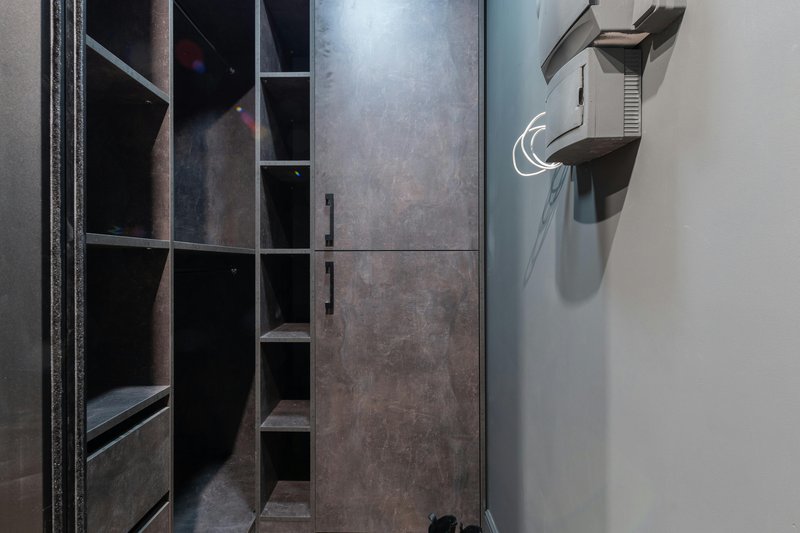
A dark academia closet goes beyond a simple dark theme. Itâs built on specific visual and functional elements: rich wood tones like walnut and mahogany, brass or oil-rubbed bronze hardware, leather accents, and muted, warm lighting. The fixtures often lean antique or vintage-inspired. What sets this apart from a ‘dark themed’ closet is its emphasis on structure and quality. Youâre not hiding clutter in the dark; youâre creating a system that celebrates organization. Think of it as the storage equivalent of a scholarâs study. This aesthetic translates well to a walk-in closet because it values order, quality materials, and a sense of timelessnessâexactly what a well-designed closet should have. A dark academia closet isnât just for books and libraries; itâs a practical, beautiful way to handle your wardrobe with the same care a collector treats their treasures.
. For more ideas, check out French Country Walk-In Closet Inspiration: Design.
Planning Your Layout: Balance Between Drama and Function
Start with the function when planning your layout. A dark academia closet must be usable daily, not just look good in photos. The biggest mistake is making the room so dark you canât see what youâre wearing. Good task lighting is essential, even with dark walls. Think about shelving depth: folded sweaters and leather accessories need deeper shelves than standardâat least 14 inches. For blazers and shirts, a standard 24-inch hanging depth works. Position a central island or bench not just for aesthetics but as a staging area for planning outfits. Prioritize zones: a section for hanging coats, another for folded items, shelves for shoes, and a small area for accessories like watches or cufflinks. This layout keeps the scholarly look from turning into chaos. Avoid creating a single dark void; instead, carve out clear functional areas using lighting and different storage types. Travelers and collectors who need to organize many accessories may find a brass garment rail a useful addition for displaying curated pieces.
Choosing the Right Materials and Finishes
Materials are where the dark academia closet comes to life. For shelving, reclaimed or stained wood is ideal. Solid walnut or mahogany is durable but expensive. A smart tradeoff is using a dark walnut laminate for base cabinets and real wood for visible open shelving. This saves money without sacrificing the look where it counts. For hardware, stick to brass or oil-rubbed bronze. Cheap, shiny nickel will kill the vintage vibe immediately. Leather is a great accent for drawer pulls or bench seating. Add wool or velvet for soft furnishings like a seat cushion or a clothes valet. A common pitfall is mixing too many finishesâstick to no more than two metals and one or two wood tones to keep it cohesive. For example, brass handles with dark walnut wood and a single leather chair. This creates a unified, intentional look that feels curated, not chaotic. For an easy upgrade, a set of oil rubbed bronze drawer pulls can replace standard hardware for an affordable transformation.
Lighting: The Make-or-Break Element
Lighting is the single most important element in a dark academia closet. It must serve both mood and function. Use brass wall sconces with parchment shades for ambient light. A statement chandelier with Edison bulbs adds character. what matters is color temperature: stick with 3000K to 3500K warm light. This keeps the room moody but still allows you to see the true color of your clothes. A critical practical tip is to install a dimmer switch. This lets you go from ‘moody’ mode for evening dressing to ‘practical’ mode when you need to find a specific shirt. A common mistake is relying solely on ambient light. You need task lighting, especially inside drawers and on shelves. Integrated LED strips under shelves are perfect for this. They keep the drama while adding necessary visibility. Donât skip this stepâbad lighting can ruin even the best shelving. A practical solution for improving visibility is an under shelf led lighting kit, which installs easily and enhances the look of dark wood surfaces.
Storage Solutions That Support the Aesthetic
The storage components should match the style without sacrificing function. Open wooden shelving is perfect for folded cashmere and tweedâit lets you display your best pieces. Brass garment rails add a refined touch for hanging shirts and blazers. For smaller items, use leather or canvas bins. A key tradeoff: open shelving looks beautiful but requires you to keep it tidy. Reserve it for shoes and beautifully folded wool, not everyday clutter. Velvet hangers in dark colors like charcoal or burgundy keep the walls cohesive. For specific comparisons, leather bins are best for larger items like blankets or sweaters, while brass wire baskets work for smaller goods like scarves or gloves. This approach ensures every piece of storage contributes to the overall look while making your wardrobe genuinely easier to use.
Selecting a Color Palette: More Than Just Brown and Black
A common misconception is that dark academia means all black and brown walls. In reality, you can (and should) use accent colors to keep the space from feeling like a cave. Dark green, navy, or deep burgundy make excellent accent walls. These colors work well in walk-in closets because they typically have low natural light anyway. For paint, use a matte finish on walls to absorb light and add softness. Satin is better for trim to give it a slight sheen. Stick with well-known paint brands for qualityâBenjamin Mooreâs âBavarian Forestâ or Farrow & Ballâs âOff-Blackâ are good starting points. A very practical tip: test paint samples on a large piece of foam board and observe them under your planned lighting at different times of day. What looks perfect in the store may turn gray or flat in your space.
Furniture and Decor: Pieces That Pull the Look Together
Choose furniture that is both stylish and functional. A tufted leather ottoman serves as seating and can hold a tray for watches or keys. A wooden valet stand is a great place to hang tomorrowâs outfit. A full-length mirror with a dark wood frame is essential for outfit checks, and its frame ties into the wood tones. If your closet is tall, a rolling library ladder adds immense character and utility. Decor should be functional: a small tray for watches, a glass display case for cufflinks, or a vintage-style desk that doubles as a dressing table. Avoid purely decorative items that collect dust. A vintage mirror with a dark frame is superior to a modern one because its imperfections add patina. Affordable alternatives like a modern mirror with a stained wood frame can achieve a similar look at a lower cost. These pieces make the space feel inhabited and purposeful.
Common Mistakes When Designing a Dark Academia Closet
Experience teaches that a few common mistakes can quickly undermine the look. First, making the entire room too dark is the top error. Without enough reflective elements or layered lighting, it can feel oppressive. Fix this with a lighter ceiling or accent rug. Second, cheap, shiny hardware kills the vintage vibe immediately. Use matte brass or oil-rubbed bronze instead. Third, forgetting about airflow is a serious issue for leather and wool garments in a dark, closed space. A dehumidifier or small fan is essential. Fourth, overcrowding open shelving with clutter ruins the scholarly, curated look.
. For more ideas, check out Scandinavian Walk-In Closet Design Inspiration: A.
Focused styling is better than filling every inch. Finally, not investing in good task lighting is a mistake that affects daily use. Dimmable lights and under-shelf LEDs should be a priority, not an afterthought. Each of these fixes is straightforward but makes a huge difference in livability.
DIY vs. Hiring a Professional: Whatâs Worth It?
Deciding between DIY and professional help depends on the projectâs complexity. Painting, installing pre-made shelves, and swapping decorative hardware are all DIY-friendly tasks for a motivated homeowner. A weekend with a paintbrush and a drill can transform a room for under $200. However, electrical work for lighting, custom cabinetry, and structural changes like building a new wall are best left to professionals. If your closet has non-standard angles or you want a built-in library ladder, hire a skilled carpenter. For a standard rectangular space, a DIY shelf system from a big box store can be adapted nicely. Compare costs: a semi-custom closet system from a retailer might cost $1,500 and require assembly, while a full custom carpenter could charge $5,000 or more. If you have average DIY skills and a rectangular room, start with painting and shelving. For anything involving wiring or custom joinery, hire pros.
Budget Breakdown: From Minimal Investment to Full Overhaul
Hereâs a realistic breakdown based on what you can expect to spend. This helps you decide where to invest first.
Small Changes (under $500): The cheapest path is a weekend refresh. Paint and primer for the walls and trim cost around $80 to $150. New hardware for existing doors and drawers (brass knobs or pulls) is another $50 to $100. A single leather ottoman or a small wool rug might run $150 to $250. Swapping a light fixture for an affordable brass sconce is under $100. This approach gives you the look without a renovation.
Mid-Range ($1,000 to $3,000): This level covers installing new shelving systems from a retailer like IKEA or The Container Store, upgraded lighting, a new mirror, and storage bins. You can add a few custom shelves or a new wardrobe rod. A dimmer switch and some under-shelf LED strips fit here. This is the sweet spot for most homeowners wanting significant improvement without a full custom build.
Full Custom ($5,000+): A professional carpenter for built-in cabinetry, wood paneling, and designer fixtures is the top tier. This includes real wood shelving, a central island, custom lighting, and a rolling ladder. Material costs will be high, but the result is a true dark academia space. For most budgets, start with the small changes and upgrade over time. The look can be achieved at any level with careful choices.
Maintaining the Dark Academia Look: Practical Upkeep
Maintaining this aesthetic is surprisingly straightforward with a few routines. Clean brass hardware with a soft cloth and a brass cleaner every few months to prevent tarnish. Dust open shelves weekly using a microfiber dusterâa quick sweep keeps the look sharp. Protect leather seating from spills by treating it with a leather conditioner. A bigger concern in dark spaces is musty smells. For basements or high-humidity climates, run a small dehumidifier. For your wool and cashmere, use cedar blocks instead of mothballs. They repel moths, control moisture, and smell better. Ventilate the space occasionally by opening the door or running a small fan. Keeping the closet dry and clean is the secret to preserving that rich, scholarly atmosphere for years.

Final Checklist: Your Dark Academia Closet Essentials
Before you finalize your project, run through this quick checklist to ensure you havenât missed anything:
. If you’re interested in related upgrades, see our guide to How to Design a Hollywood Regency Walk-In Closet:.
- Dark wood shelving: Walnut, mahogany, or high-quality laminate.
- Warm lighting: 3000K to 3500K bulbs with dimmer switches.
- Brass or bronze hardware: Knobs, pulls, and garment rails.
- Leather accents: A chair, ottoman, or drawer pulls.
- Velvet hangers: Dark colors for cohesion.
- Statement mirror: A full-length with a dark wood frame.
- Task lighting: Under-shelf LEDs or drawer lights.
- A seating piece: An ottoman or bench.
- Airflow solution: A dehumidifier or small fan if needed.
Ready to start designing? Check out the recommended products in this guide or browse curated options for more inspiration.
A step-by-step guide to creating a dark academia closet: lighting, shelving, decor, and storage solutions that blend scholarly luxury with practical functionality.
A step-by-step guide to creating a dark academia closet: lighting, shelving, decor, and storage solutions that blend scholarly luxury with practical functionality.