Eco-Friendly Walk-In Closet Materials and Design: A Practical Guide
-
- 81

Eco-Friendly Walk-In Closet Materials and Design
Designing a walk-in closet that feels luxurious and stays eco-friendly is more than doableâand no, you don’t have to give up on style. This article breaks down sustainable materials for shelving, flooring, and finishes that actually work in real homes. It covers honest tradeoffs, costs, and what to expect. Whether you’re building from scratch or updating an existing space, this is about eco-friendly closet design that holds up to daily use.
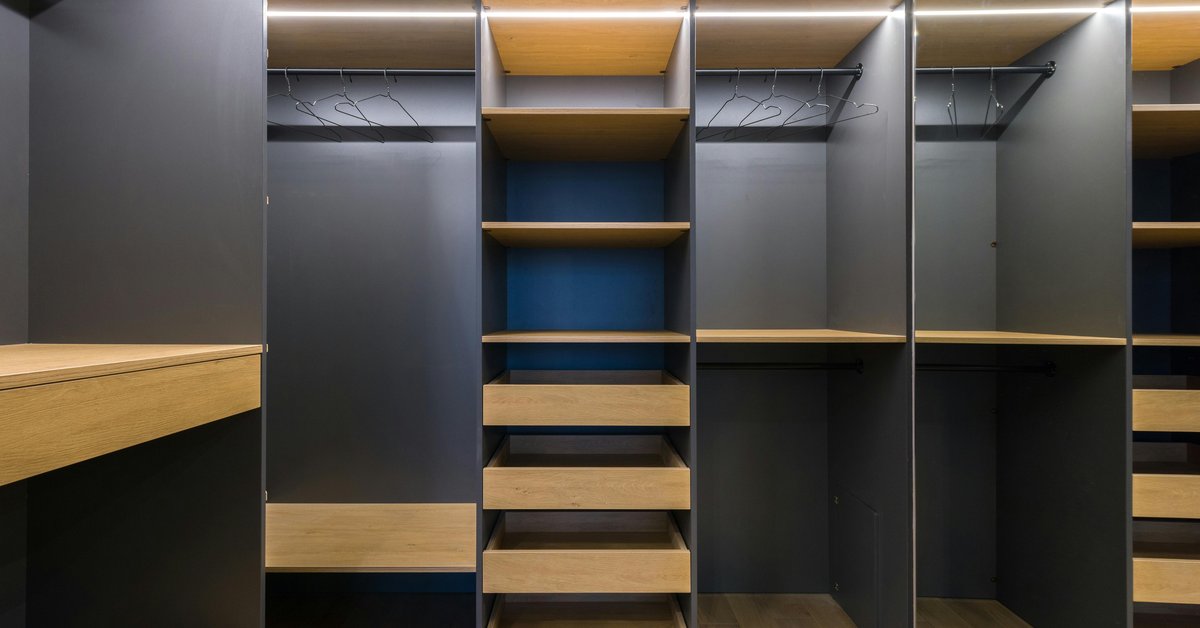
Why Material Choice Matters in Closet Design
The materials you build with matter more than you might think. Conventional closets lean heavily on virgin wood, particleboard with formaldehyde glues, and plastic components. These materials off-gas volatile organic compounds for years. Not ideal for a room you’re in every day.
. For more ideas, check out Scandinavian Walk-In Closet Design Inspiration: A.
Resource depletion is another concern. Virgin wood from unmanaged forests chews up habitats. Particleboard and MDF? Nearly impossible to recycle because of the glues. Choosing certified sustainable materials keeps waste down and supports manufacturing that circles back instead of ending in a landfill.
Many eco-friendly materialsâbamboo, reclaimed woodâare tougher than what you’d typically install. They last longer, so you’re not just being green. You’re building something that holds up.
Bamboo: The Practical Workhorse
Bamboo is probably the most versatile option for an eco-conscious closet. It grows fastâsome species shoot up three feet a dayâmaking it one of the quickest renewable resources out there. It’s also strong, with tensile strength that rivals steel. It handles shelving, drawers, and panels without complaint.
But bamboo varies. Look for FSC certification to ensure responsible harvesting. Also check for low-VOC or zero-VOC labels. Some bamboo composites use glues that off-gas. Avoid cheap laminated bamboo that feels hollow or has gapsâthat’s a sign of poor construction.
For open shelving that gets frequent use, solid strand-woven bamboo is worth the extra cost. It’s denser and resists moisture better than vertical or flat-grain types. On a budget? Use bamboo for visible shelves and cheaper materials where nobody looks. Many homeowners find bamboo shelving units with adjustable configurations work well for flexible storage.
Reclaimed and Salvaged Wood: Character with a Carbon-Neutral Footprint
Reclaimed wood brings a sense of age and warmth that new lumber can’t fake. Sourced from barns, factories, or pallets, it keeps good wood out of landfills. Once dried and milled, it’s structurally sound.
Finding it takes some legwork. Local salvage yards usually have the best prices, but you’ll need to inspect for nails, rot, or pest damage. Expect color and grain variationâthat’s the appeal. The downside: you can’t always get the exact width or length you want, so stay flexible with your design.
Finish it with a non-toxic sealer. Water-based polyurethane or natural oils like tung oil work well. Skip solvent-based finishesâthey reintroduce VOCs. For floating shelves or accent walls, reclaimed wood becomes a focal point. For drawer fronts or cabinet faces, you’ll need to mill it more carefully so everything moves smoothly.
A common beginner mistake: underestimating prep work. Kiln-dried wood is essential to prevent warping. If buying online, confirm it’s been properly dried and treated. Some retailers sell pre-milled reclaimed boards ready for closet systems.
For a budget route, unfinished reclaimed pallets work. They need more effort but cost a fraction of finished lumber.
Recycled Metal and Glass: Functional Accents That Last
Recycled metal and glass bring durability to high-use spots. Hanging rods made from recycled aluminum or steel won’t sag over time like wood can. Wire baskets from recycled steel offer breathable storage for shoes or folded items.
Recycled glass works well for counters, shelves, or decorative tiles. It’s non-porous, easy to clean, and handles moisture without issue. In a closet with a vanity or display area, recycled glass countertops look striking and stay practical.
When buying recycled metal, check for post-consumer or post-industrial content. Many brands offer rods and fittings with high recycled percentages. The tradeoff: metal is heavier than wood or plastic, so make sure wall mounts are solid.
For drawers, recycled metal pulls and handles add a clean, modern line. Anyone needing durable, non-warping hanging storage might consider recycled metal closet rods for areas with heavy coats or suits. In humid climates, metal won’t warp or swell like wood does.
Glass organizersâclear recycled glass binsâlet you see contents without opening. They’re great for scarves or belts. Just be aware they can chip if dropped, so think about placement.
Low-VOC and No-VOC Finishes: Protecting Your Indoor Air
VOCs off-gas from paints, stains, and sealants. In a closed closet, those fumes build up fast. Low-VOC or no-VOC finishes make a real difference in air quality.
For paint, Benjamin Moore’s Natura or AFM Safecoat are zero-VOC and easy to find. For stains, water-based formulas with low-VOC content work well. They dry faster and clean up with soap and water. The catch: water-based stains often need extra coats for a deep color, so budget more time.
Wax finishes are another low-VOC option for wood sealants. They apply easily and are simple to maintain, but they’re less durable than polyurethane in high-friction areas. If your closet gets heavy daily use, go with water-based polyurethane that has a low-VOC rating.
Whichever finish you pick, ventilate the space. Open windows and run a fan if you can. Even low-VOC products can irritate in small, unventilated areas. Let the finish cure fullyâusually 24 to 48 hoursâbefore loading shelves or storing clothes.
Test any finish on a scrap piece first to check color and adhesion before committing.
Five Common Mistakes When Choosing Eco-Friendly Closet Materials
Even well-meaning homeowners slip up. Here are five to watch for.
1. Confusing ‘natural’ with ‘sustainable.’ Mass-harvested teak might be natural, but if it’s from unregulated forests, it’s not sustainable. Look for FSC or GREENGUARD certification.
2. Overlooking certifications. A product labeled ‘eco-friendly’ without third-party verification isn’t trustworthy. FSC for wood, GREENGUARD for low emissions, and Cradle to Cradle for recyclability are the gold standards.
3. Buying cheap laminate that off-gasses. Laminate often uses adhesives with formaldehyde. On a budget? Look for laminate with an E0 or E1 emission class, which means low formaldehyde. Better yet, stick with solid bamboo or reclaimed wood.
4. Ignoring glue and adhesive composition. Many closet systems rely on glues for assembly. Standard construction adhesives can off-gas for years. Use water-based or solvent-free adhesives instead. For DIY projects, water-based wood glue is a safer choice that bonds well without harmful fumes.
5. Forgetting about end-of-life disposal. Composites like MDF or particleboard are hard to recycle because of glue content. If you plan to renovate later, choose materials that can be repurposed or recycled. Solid wood, metal, and glass are much easier to handle at end of life.
Flooring: Cork, Bamboo, or Linoleum? A Comparison
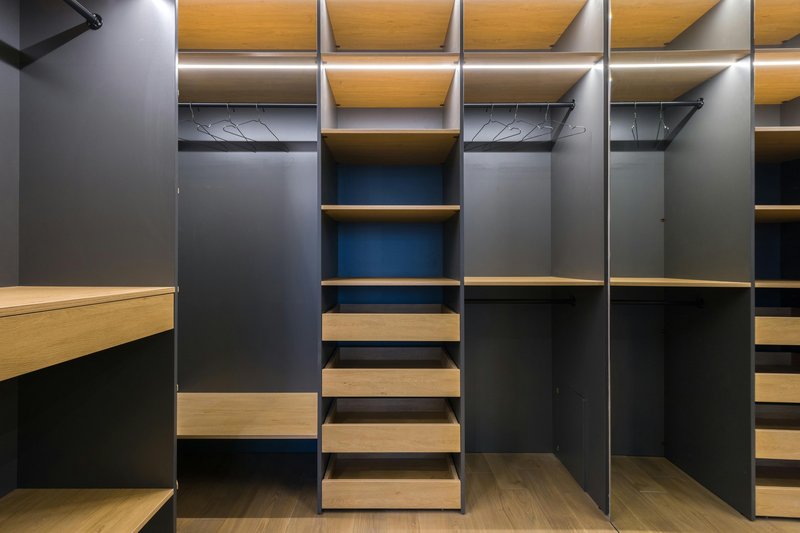
Flooring is a big decision for a walk-in closet. Here’s how three eco-friendly options compare.
. If you’re interested in related upgrades, see our guide to French Country Walk-In Closet Inspiration: Design.
Cork comes from the bark of cork oak trees without harming them. It’s renewable, naturally insulating, and soft underfootânice for standing while picking outfits. The downside: cork dents easily, especially under heavy furniture. It also needs a sealer to resist moisture. Best for low-traffic closets in dry climates.
Bamboo is hard and durableâoften harder than oak. Click-lock planks install easily. But bamboo can warp in high humidity, so skip it for bathrooms or closets with poor ventilation. Manufacturing method matters: strand-woven bamboo is denser and more moisture-resistant than other types. Best for average-to-heavy foot traffic in well-ventilated spaces.
Linoleum (real linoleum, not vinyl) is made from linseed oil, cork dust, and wood flour. It’s biodegradable, naturally antimicrobial, and tough. Linoleum comes in sheets or tiles in dozens of colors. The tradeoff: it’s softer than tile, so big furniture may leave marks. It also needs periodic sealing. Best for high-humidity areas since it resists mold and mildew.
For a budget-friendly option, cork floor tiles install easily as a floating floor. For something more permanent, bamboo click-lock planks offer a solid feel without adhesive.
Lighting: Energy-Efficient Solutions for Your Closet
Good lighting is essential in a walk-in closet. It doesn’t have to guzzle energy. LED strip lights are the most efficient option, using up to 80% less power than incandescent bulbs. They also produce minimal heat, keeping the closet comfortable.
Motion sensors are a practical upgradeâlights come on when you enter and shut off when you leave, with no wasted energy. Placement matters: install strips under shelves, inside drawers, or along the top for even light. Avoid putting lights directly above hanging clothesâshadows can make it hard to see colors.
Solar-powered options exist for closets with a window, though they’re less common for interior spaces. If you have the option, a solar light tube can supplement overhead lighting without using electricity.
For a reliable system, LED closet lighting kits from brands like Philips Hue or Lepro install easily and offer adjustable brightness. Look for kits with adhesive backing for quick mounting.
Organization Accessories from Recycled Materials
You can make a noticeable impact without structural changes by choosing accessories from recycled materials.
Recycled felt bins are popular. They’re lightweight, soft, and come in many colors. Studio BON offers a range made from recycled PET bottles. The tradeoff: felt can pill or lose shape over time, especially with heavy items. Best for low-traffic storage like seasonal clothing.
For heavier items like shoes or tools, recycled plastic bins are sturdier. They’re waterproof and easy to clean. The downside: they can look utilitarian. For a sleeker look, choose bins with a woven finish that mimics natural materials.
Hangers from recycled materials are an easy swap. 100% recycled cardboard or bamboo hangers are sturdy and slim, saving space. Plastic hangers from recycled polyethylene are also available. Skip cheap wire hangersâthey rust and leave marks on clothes.
For drawer dividers, look for recycled wood or molded recycled pulp. They’re inexpensive and naturally moisture-resistant. For a quick upgrade, a set of recycled felt bins can turn a messy shelf into something organized.
Is an Eco-Friendly Closet More Expensive? A Budget Breakdown
The short answer: it depends. Here’s a realistic look at costs.
Bamboo shelving runs roughly $5â$10 per square foot, compared to $3â$6 for melamine. The upfront difference is real, but bamboo lasts longer and reduces the need for replacement. Reclaimed wood can cost anywhere from $4 to $15 per board foot, depending on rarity and processing. New hardwood of similar quality starts around $5 per board foot, so reclaimed can be comparable or cheaper if you source locally.
Low-VOC paints and finishes cost about 10â20% more than standard options. For a typical closet, that’s an extra $20â$40. Recycled metal and glass fittings are usually competitive with new materialsâsometimes even cheaper due to lower demand.
The biggest money-saving tip: use sustainable materials where they’re visible and do the most good. In hidden areas, recycled plastic or low-VOC composites can save money without sacrificing your goals. Also watch for sales on clearance bamboo or reclaimed woodâmany retailers discount shorter lengths or less popular finishes.
For a budget-conscious project, plan to spend about 15â25% more upfront on a full sustainable closet. Much of that cost is recouped through durability and lower replacement frequency over time.
Where to Find Certified Sustainable Materials
Knowing where to look makes it easier. Start with local lumber yards that specialize in reclaimed or FSC-certified wood. Many offer milling services to tailor boards to your specs.
Online, The Home Depot’s Eco Options filter is a useful starting point for finding certified products. Greenhome Solutions offers a curated selection of low-VOC paints, sealants, and adhesives. For reclaimed wood, sites like Vintage Timber Works stock ready-to-ship planks.
When shopping, look for these certifications:
- FSC for wood and bamboo.
- GREENGUARD for low-emission products.
- Cradle to Cradle for material recyclability.
- SCS Global Services for recycled content verification.
A quick checklist before buying: Is the material certified? Is it kiln-dried? Does the finish have a low-VOC rating? With those answers, you can shop confidently.
Final Considerations: Balancing Eco and Practicality
You don’t need to convert every surface to sustainable material overnight. Focus on high-touch areas first: shelving you see and use daily, flooring that takes the most traffic, lighting that runs the most hours. Swap one category at a timeâbamboo rods, for exampleâand expand from there.
Durability and repairability are part of sustainability. A well-made bamboo shelf that lasts 20 years is greener than a cheap composite shelf replaced every five. Choose materials that fit your climate and usage patterns. In a humid area, avoid cork for shelving and go with metal or sealed bamboo.
The process isn’t about perfectionâit’s about improvement. Every thoughtful choice adds up. Start designing your dream eco-friendly closet today, knowing you’re building something both beautiful and responsible.
FAQ: Eco-Friendly Closet Design
Q1: Can I use eco-friendly materials if I have a small budget?
Absolutely. Start with smaller swaps like recycled plastic bins, LED lighting strips, or a bamboo shelf. These are low-cost upgrades with high impact. As your budget allows, expand into flooring or reclaimed wood shelving. You can also repurpose existing furnitureâmany vintage pieces are already sustainable.
Q2: What’s the best material for a high-humidity closet?
Recycled metal is your safest bet for shelving and rodsâit won’t warp or rot. For flooring, real linoleum or sealed cork works well. Avoid raw bamboo or unfinished wood in damp spaces. If you must use wood, seal it thoroughly with a water-resistant low-VOC finish.
Q3: Are there any eco-friendly options for existing wire shelving?
Yes. You can buy recycled plastic or wooden shelf liners that fit over wire grids. Felt-lined recycled bins also work well. For a more permanent solution, replace wire shelving with solid bamboo or reclaimed wood panels. This is a low-cost DIY project that transforms the look and function.
. If you’re interested in related upgrades, see our guide to How to Design a Hollywood Regency Walk-In Closet:.
Q4: Do I need a professional to install sustainable materials?
Not necessarily. Many bamboo and reclaimed wood shelving systems are designed for DIY installation with basic tools. Floating shelves and click-lock flooring are beginner-friendly. For complex jobs involving structural changes or electrical work (like lighting), professional help is recommended. Most sustainable materials don’t require special toolsâjust a little patience and planning.
Learn how to design an eco-friendly closet with sustainable materials, practical tips, and product recommendations. A guide for homeowners who want style and sustainability.
Learn how to design an eco-friendly closet with sustainable materials, practical tips, and product recommendations. A guide for homeowners who want style and sustainability.