How to Budget for Closet Hardware and Designer Hooks: A Practical Guide
-
- 108

Why Hardware Deserves a Dedicated Budget Line
Itâs easy to overlook closet hardware until youâre standing in a nearly finished space. You pick out shelving, lighting, and rods. Then suddenly you need hooks, knobs, pulls, hinges, and drawer slides. The costs add up quickly. Thatâs why setting a closet hardware budget early is one of the smarter moves in a renovation. It keeps you from being blindsided by a $300 expense for what feels like a handful of small metal parts.
Hardware isnât just utility. Itâs the finishing touch that can make a closet feel more polished. A good hook or pull can lift the whole room out of builder-grade territory. But without a plan, itâs easy to overspend on pieces that look nice in a showroom but donât hold up. You might get brass that tarnishes in six months or thin zinc pulls that bend under normal use.
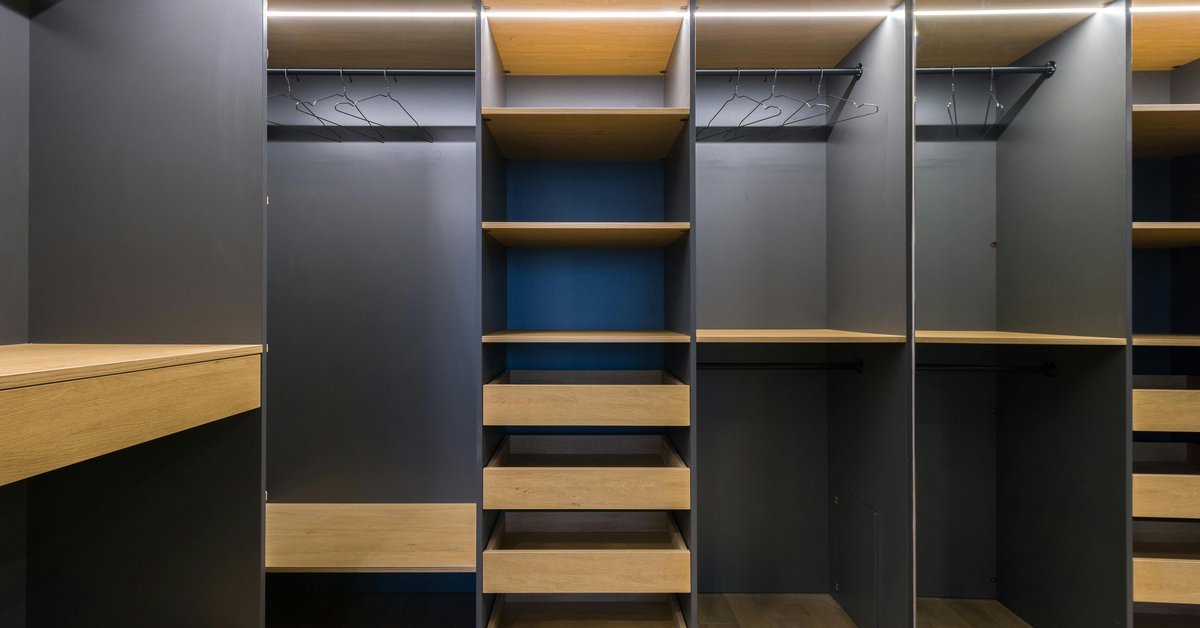
The trick is knowing where your money goes. A clear budget forces you to be intentional. You can spend more where it mattersâlike heavy-duty robe hooks in a busy bathroomâand save on decorative accents that donât get much action. This article walks through costs, tradeoffs, and practical strategies for designing a closet that looks good without going overboard.
. If you’re interested in related upgrades, see our guide to How to Adjust Closet Shelving Heights: A.
Understanding the Price Spectrum: From Basic to Designer
Closet hardware prices cover a lot of ground. A single hook might be $2 or $80. What youâre paying for is material, finish quality, and brand. Hereâs a realistic look at each tier.
Basic Builder-Grade ($2â$8 per piece)
This is the standard stuff that comes with pre-built systems. Usually zinc alloy with a painted or plated finish. They look okay from a few feet away but feel light and hollow. The finish tends to wear off, especially in humid bathrooms or closets that see heavy use. If youâre on a very tight budget, this works. Just donât count on it lasting a decade.
Mid-Range Solid Materials ($10â$25 per piece)
This is where most people should land. You get solid brass, stainless steel, or decent zinc with a durable finish. The weight feels right in your hand. Finishes like brushed nickel, matte black, and oil-rubbed bronze are common and done well. The design is usually cleaner tooâless fussy, better proportions. This tier gives you the best mix of cost and longevity.
Designer and Artisan Pieces ($30â$80+ per piece)
Now youâre paying for design, craftsmanship, and something unique. Materials like solid brass, marble, leather, hand-blown glass, or ceramic. Finishes are often hand-applied or patinaed. Brands like Schoolhouse, Rejuvenation, and Emtek are common here. These are statement pieces. One or two can anchor a closet design, but covering an entire space at this price means a serious investment. If you like the look, use them as focal points, not everywhere.
Budget Breakdown: Where Your Money Actually Goes
Letâs take a typical 100-square-foot walk-in closet with two hanging sections, a drawer bank, and some wall hooks. Hereâs a realistic breakdown:
- Hooks (robe, coat, valet): 6â10 pieces. At mid-range, thatâs $60â$200.
- Drawer pulls and knobs: 10â20 pieces. Around $100â$250 for decent brass or stainless steel.
- Hinges: 5â10 pairs. Concealed hinges are $15â$30 per pair. Total: $75â$300.
- Drawer slides: 5â10 pairs. Soft-close ball-bearing slides run $15â$40 per pair. Total: $75â$400.
- Hidden costs: Screws, mounting plates, spacers, and shipping often add 10â20%. Donât ignore these.
Total for a mid-range walk-in: $310â$1,150. That range is wide because your choices matter. Splurge on designer hooks and premium slides, and youâll be at the high end. Stick to simple pulls and standard hinges, and you can stay low. One surprise for first-timers: hinges and slides often cost more than knobs and hooks. Plan for that.
Best Types of Designer Hooks for Every Budget
Hooks are the most visible hardware in a closet. Theyâre also the easiest thing to upgrade without changing everything. Hereâs a breakdown by category, with realistic prices and uses.
Coat and Valet Hooks
These need to handle weight. A solid brass double hook ($20â$40) is a safe choice. For heavier coats, look for a weight rating of at least 20 pounds per arm. People who move between climates might want a heavy-duty coat hook set designed for bulkier outerwear. Best for heavy coats: solid brass double hook in matte black or brushed nickel. Durable and easy to install.
Robe Hooks
Smaller, but they still need to support wet towels or heavy bathrobes. A simple stainless steel single hook ($10â$15) works. For something more decorative, try a marble or leather robe hook ($15â$30). Leather adds grip, and marble looks clean. Best for aesthetic: marble or leather robe hooks ($15â$30). They stand out without being too ornate.
Hat and Accessory Hooks
Usually smaller and more ornamental. A wall-mounted hat hook with a curved arm ($12â$25) is practical for caps and scarves. For a boutique feel, try a ceramic or hand-painted hook ($18â$35). They add personality to a small entryway closet. Best for display: ceramic or hand-painted hooks ($18â$35).
Decorative Wall Hooks
These are statement pieces. Think oversized brass with architectural shapes or geometric designs ($30â$60). They work as single focal points on a blank wall. One or two can change the feel of an otherwise plain closet. Best for design impact: oversized brass architectural hook ($35â$55).
Material Matters: Cost vs. Durability and Look
The material determines how long your hardware lasts and how it ages. Hereâs what you should know.
Zinc Alloy is the most common budget material. Itâs cheap and can be plated to look like brass or chrome. The downside is the plating can wear off, especially on high-touch items like drawer pulls. If you go with zinc alloy, look for thick plating and avoid sharp edges where it chips.
Brass is the gold standard for durability and looks. Solid brass doesnât tarnish easily and develops a nice patina over time. It costs more, but itâs a one-time purchase. Good for high-use areas like robe hooks and drawer pulls.
Stainless Steel is practical, corrosion-resistant, and affordable. A solid choice for bathrooms or humid closets. The look is modern and minimal. Itâs less warm than brass but works well in contemporary spaces.
Aluminum is lightweight and inexpensive. Often used in modern designs with anodized finishes. It wonât rust, but it can dent or scratch. Fine for decorative hooks that donât get heavy use.
Ceramic and Resin are more decorative. Ceramic is beautiful but brittleâit can crack if overtightened. Resin is cheaper and more durable but can look a bit plastic. Use these sparingly as accent pieces.
Tradeoff summary: For daily use, invest in brass or stainless steel. For a low-traffic closet, zinc alloy or ceramic is fine. Donât prioritize looks over function in high-use spots.
Finish Options and Their Price Impact
The finish is what you see and touch. It also affects the price. Hereâs how popular finishes compare.
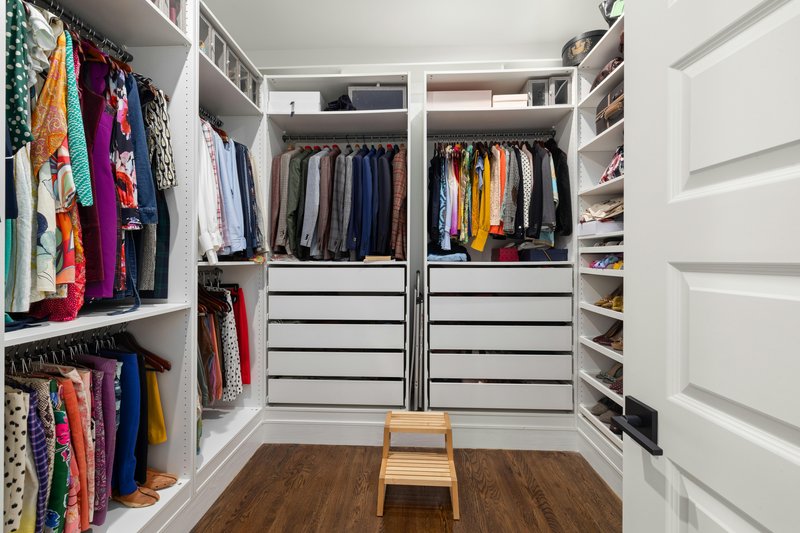
. If you’re interested in related upgrades, see our guide to French Country Walk-In Closet Inspiration: Design.
Brushed Nickel is a classic. Widely available and reasonably priced. It matches most existing fixtures. Youâll pay a small premium over basic chrome, but itâs worth it for the warm, subtle sheen.
Matte Black has been trendy for a while. Still popular, but often more expensive than brushed nickel. Matte black finishes need careful application to avoid visible scratches. If you like the look, invest in quality pieces with a durable powder-coated finish. Cheap matte black paint chips easily.
Polished Chrome is budget-friendly. Bright and reflective, but it shows fingerprints and water spots. Good for areas you donât touch often.
Antique Brass and Oil-Rubbed Bronze are premium finishes. Theyâre achieved through chemical processes or hand-applied patinas. They cost more but add warmth and character. Antique brass works well in traditional or transitional closets. Oil-rubbed bronze is darker and more industrial.
Practical advice: Stick with classic finishes like brushed nickel, matte black, or polished chrome. Theyâre easier to match, more available, and less likely to look dated. Trendy finishes like rose gold or champagne bronze can be harder to find replacements for later.
Common Budget Mistakes When Buying Closet Hardware
Even people whoâve done this before make these errors. Avoid them and youâll save money and frustration.
1. Buying pre-packaged sets that include pieces you donât need.
Many hardware sets come with a mix of knobs and pulls. You might only need one type. You end up paying for extras you never use. Solution: buy individual pieces or match-specific sets.
2. Mixing finishes from different product lines.
âBrushed nickelâ can look completely different depending on the brand. Some are warm, others are cool. Mixing them gives an inconsistent look. Solution: buy all hardware from the same collection or brand to ensure the color and texture match.
3. Underestimating how many pieces you need.
A single drawer may require two pulls. A closet with 20 drawers and 30 doors adds up fast. Measure carefully and count every location. Add 10% for spares or mistakes. Running out mid-project delays installation and costs more for rush shipping.
4. Ignoring weight ratings.
Cheap hooks often list a maximum weight of 5â10 pounds. A heavy winter coat can exceed that. The hook bends or breaks within months. Solution: check weight ratings and buy accordingly for the items youâll hang.
How to Save Money Without Sacrificing Style
A designer look doesnât have to mean a designer budget. Smart planning goes a long way.
- Buy in bulk from the same line. Many manufacturers offer discounts for larger quantities. Stock up on the pulls you need from one source to keep consistency and save per-piece costs.
- Use a few statement hooks mixed with simpler hardware. Place one or two designer hooks on a focal wall. Use more affordable mid-range pulls for drawers and doors. The contrast creates visual interest without overspending everywhere.
- Consider semi-custom over fully custom. Semi-custom means choosing from existing finish and size combinations rather than bespoke designs. You still get quality and design but at a lower price point.
- Shop sales and overstock. Hardware brands rotate finishes regularly. Clearance sections often have good deals on last-season styles. Overstock retailers, for example, may carry matte black drawer pulls at reduced prices during inventory clearance. Sign up for email alerts and check online for deals.
Allocating your closet hardware budget wisely means spending more on high-use items (robe hooks, drawer pulls) and less on decorative pieces that rarely get touched. Thatâs how you get a cohesive, upscale look without the high price tag.
Recommended Budgets by Closet Size and Goal
Here are three concrete scenarios with realistic budgets and product suggestions.
1. Small reach-in closet, basic refresh: $50â$150
Youâre updating a standard 4-foot reach-in closet. Focus on pulls and hooks. Budget $30â$80 for 10â12 brass or stainless steel pulls. Spend $20â$70 on 2â4 hooks. Keep finishes consistent. This refresh modernizes the space without replacing the whole system.
2. Mid-sized walk-in, semi-custom style: $200â$400
A 6Ã8 walk-in with hanging sections, 2 drawers, and a few shelves. Allocate $100â$200 for 15â20 pulls and knobs. Spend $50â$100 on 6â8 hooks (robe, coat, and valet). Use the remaining budget for 2â3 pairs of concealed hinges ($30â$60). Choose mid-range solid brass in a classic finish.
3. Large custom walk-in with designer hooks: $500+
A 10Ã10 closet with multiple hanging areas, a drawer bank, and display shelves. Budget $200â$400 for pulls and knobs. Spend $150â$300 on 10â12 designer hooks, including a few statement pieces. Invest in premium soft-close slides ($100â$200). The rest goes to hinges and hidden hardware. This is the tier where you can afford marble, leather, or hand-finished brass.
Tools and Accessories to Install Hardware Correctly
Good installation matters as much as good hardware. Hereâs what youâll need.
- Drill with screwdriver bits: A cordless drill with adjustable torque prevents stripping screws.
- Tape measure and level: Precise spacing gives a professional look. Measure twice, drill once.
- Screwdriver set: For tightening when a drill is too bulky.
- Template guides: Many brands offer paper or plastic templates for consistent pull spacing. Beginners might find a comprehensive hardware installation template kit helpful since it combines several tools in one package.
- Screws and anchors: Most hardware comes with screws, but they may not suit your wall type. Buy spares if youâre mounting into drywall without studs.
If youâre a DIY installer, consider a hardware installation kit that includes a tape measure, level, and template. These kits are affordable and save time.
Final Checklist Before You Buy
Run through this list before you click âpurchase.â
- Measure twice: Confirm hole spacing and center-to-center distances for pulls and knobs.
- Verify finish consistency: Order a sample piece if possible, or buy from one brand.
- Check weight rating: Ensure hooks can handle the actual items youâll hang.
- Read return policies: Some hardware is final sale. Know before you buy.
- Confirm compatibility: Check door and drawer thickness against screw length. Too long and screws protrude; too short and they donât hold.
- Buy extras: Order 10% more pieces than needed for spares.
This checklist prevents the most common headaches. Skipping it can mean frustrating returns or mismatched hardware that ruins the look.
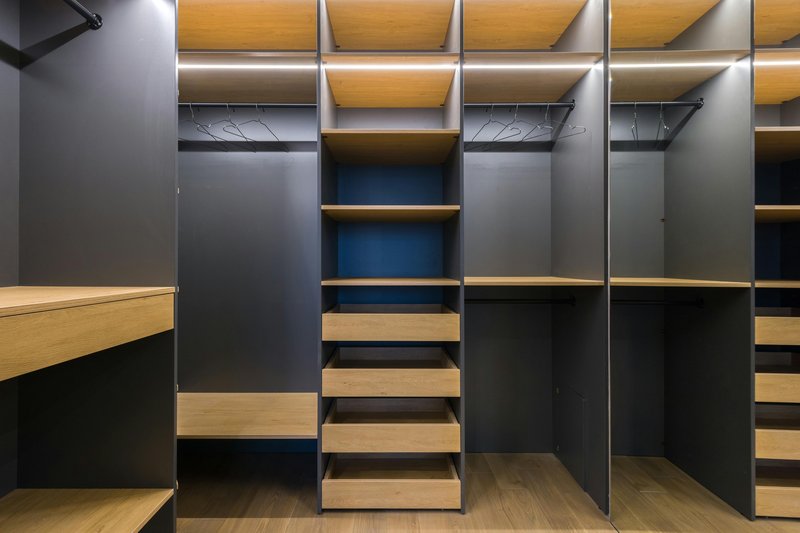
Conclusion: Start Designing Your Dream Setup Today
Planning a realistic closet hardware budget is the foundation of a successful closet renovation. Itâs not about spending the least possibleâitâs about spending where it matters. Invest in durable materials and classic finishes for high-use items. Use statement pieces sparingly for visual impact. Avoid common mistakes like mixing finishes or underestimating quantities.
. For more ideas, check out How to Design a Hollywood Regency Walk-In Closet:.
A great look is achievable at every price point. Whether youâre refreshing a small reach-in or outfitting a custom walk-in, informed choices make the difference. Nowâs the time to start designing your dream setup today. Browse designer closet hooks to find the pieces that match your style and your budget.
Learn how to plan a realistic closet hardware budget for designer hooks and fixtures. Compare costs, avoid overspending, and find the best value for your space.
Learn how to plan a realistic closet hardware budget for designer hooks and fixtures. Compare costs, avoid overspending, and find the best value for your space.