How to Calculate Closet Linear Footage: A Complete Guide to Measuring Storage Space
-
- 70

What Is Closet Linear Footage? (And Why It Matters)
Before you grab that tape measure, it helps to understand what “closet linear footage” actually meansâand why it might be the most useful number you’ll calculate. Simply put, closet linear footage is the total horizontal hanging or shelving space available in your closet, measured in feet along the wall(s). It’s not about floor space. It’s about how much rod and shelf room you have for your clothes and accessories.
This matters because square footage tells you room size, but not how much you can actually hang. A 6×8 walk-in with 30 linear feet of rod can hold way more than a 7×10 room with only 12 linear feet. Your budget scales with linear footage tooâmore hanging space means more rods, brackets, shelving, and hardware. An 8-foot wall gives you a maximum of 8 linear feet if you use all of it. That might cost around $40 in basic rods or $160 in premium systems per wall. Getting this number right helps avoid wasted space and wasted money.
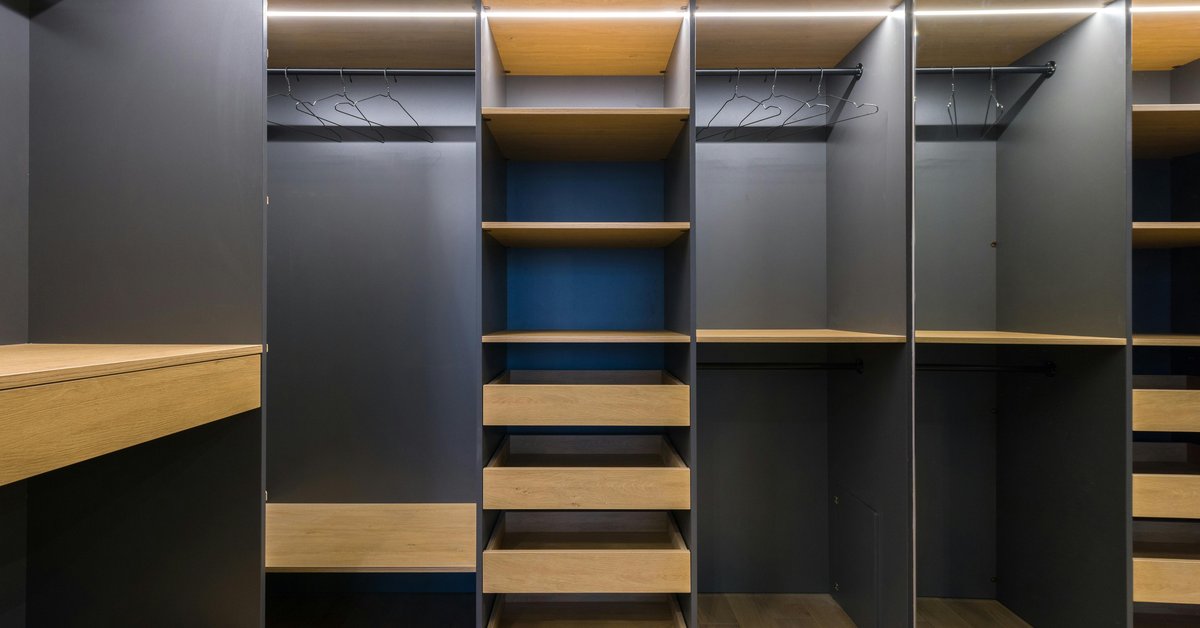
. If you’re interested in related upgrades, see our guide to Best Overhead Storage Hoists for Large Closets:.
Tools You Will Need for Accurate Measurements
You don’t need a lot, but what you use matters. Here’s what I’ve found works best from measuring closets over the years:
- Metal tape measure (25-foot minimum). Cloth tape measures stretch over time and small errors add up across multiple walls. A rigid metal tape keeps measurements honest. Beginners may want a tape measure from a reliable brand.
- Pencil and paper or a note-taking app. Sketch your closet layout and record each wall segment separately. Trying to hold everything in your head leads to mistakes.
- Calculator. Basic addition. Nothing fancy.
- Level. A two-foot level works. This helps check that your walls aren’t bowed or sloped, which can affect rod installation.
- Laser measurer (optional but handy for larger walk-ins). If you’re measuring a 12×15 master closet, a laser measurer saves time and cuts down on error. Look for one with at least 50-foot range and continuous measurement mode. Travelers who need precise distances quickly can find a reliable laser measurer here.
That’s about it. You don’t need blueprints or architectural skillsâjust a steady hand and a willingness to measure twice.
The Basic Formula: How to Calculate Closet Linear Footage
The formula is simple: Length of each wall with hanging or shelving = total linear feet. Here’s the step-by-step:
- Identify all walls where you plan to install rods or shelves. This includes back walls, side walls, and any interior returns or bump-outs. Skip walls with doors, windows, or floor-to-ceiling openings.
- Measure from corner to corner for each section. Place your tape measure at the inside corner of one wall and extend it to the inside corner of the opposite wall. Record the number in feet and inches.
- Add those numbers together. For example, a 5-foot back wall plus a 4-foot side wall equals 9 linear feet of potential hanging space.
- Subtract any permanent obstructions. Doors, windows, built-in drawers, or structural columns reduce usable space. Subtract the width of the obstruction from that wall’s segment.
- Double-check every measurement. I can’t stress this enough. I’ve seen homeowners confidently measure a wall at 8 feet when it was actually 7 feet 10 inches. That 2-inch error across four walls adds up to nearly a foot of lost space.
Real-world example: You have a reach-in closet with a 6-foot back wall and two 2-foot side walls. Total potential linear footage is 6 + 2 + 2 = 10 linear feet. But if the back wall has a 3-foot door opening, subtract that: 3 feet of wall space is lost, leaving 7 linear feet of actual hanging area. Always account for doors and clearance.
Accounting for Corners, Obstructions, and Awkward Spaces
Corners are where most people mess up. The golden rule: don’t double-count corner overlap. When you have an L-shaped closet, measure each wall independently. The corner point where both walls meet counts only once. For example, a 6-foot left wall and an 8-foot back wall produce 14 linear feet, not 16.
Common obstructions require subtracting 3â6 inches per item:
- Light switches and outlets: Subtract 4 inches from that wall segment’s length.
- Vents and returns: Subtract the full width of the vent cover plus 2 inches on each side for clearance.
- Side rods and corner rods: These reduce usable space on adjacent walls because rods can’t mount flush against an intersecting wall.
- Angled ceilings and sloped walls: If your closet has a knee wall or angled ceiling, measure the horizontal wall length where you can actually hang clothes at full height. Don’t count space where a long coat would drag along the floor.
Mistake to avoid: ignoring door swing clearance. If your closet door swings inward, you lose at least 2â3 feet of usable depth and sometimes a foot of linear footage on the adjacent wall. Measure with the door open to see what’s really accessible.
Single Rod vs. Double Rod: How It Affects Your Calculation
Linear footage is typically measured for single-hang rods. If you install double rods (upper and lower), the total linear footage effectively doubles for that wall section. For example, a 6-foot wall with double rods gives you 12 linear feet of hanging space. This matters because rod length and brackets are usually sold per linear foot, so budgeting increases accordingly.
When to choose single rod: You have long garmentsâfloor-length dresses, trench coats, maxi skirts, full-length gowns. Single rods provide the full 60â72 inches of hanging height needed for these items. They’re also better if you prefer visual simplicity or have limited ceiling height.
When to choose double rods: You primarily store shirts, pants, blouses, jackets, and short skirts. Double rods double your hanging capacity without expanding floor space. The upper rod sits at about 80 inches, the lower at about 40 inches. This setup gives you roughly two 36-inch hanging sections, which works well for folded-over pants or button-down shirts.
Tradeoff: Double rods mean losing the ability to hang long items on that wall. If you have a mix of long and short garments, plan for single rods on one wall and double rods on another. Adjustable double rod kits (available from most closet system brands) make this flexible. Those looking to maximize space can browse adjustable double rod kits for easy installation.
Shelving, Drawers, and Accessories: Do They Count as Linear Footage?
Strictly speaking, linear footage applies to hanging rods. But you can measure shelf space the same wayâlinear feet of shelf surface. A 4-foot wall with two shelves gives you 8 linear feet of shelf space. This is useful for folded sweaters, jeans, handbags, or shoes.
Key distinction: Shelving and hanging rods serve different storage needs. You can’t hang a coat on a shelf, and you can’t stack folded shirts on a rod. The question isn’t whether one counts as linear footageâit’s about finding the right mix for your stuff. For most closets, a 60/40 split of hanging to shelving works well. For heavy-sweater wardrobes, flip that to 40/60.
Shelf depth matters separately. Standard shelves are 12 inches deep for folded items. Deeper shelves (16â18 inches) can hold shoe boxes or handbags but waste space for smaller items. Measure shelf depth independently because it affects what you can store, not how much linear footage you have.
Accessories like pull-out baskets, tie racks, and belt organizers improve usability but don’t change linear footage. A pull-out basket adds storage density without increasing wall space. If you’re trying to maximize every inch, these accessories are worth considering. Frequent users may benefit from a quality pull-out basket system to keep items organized.
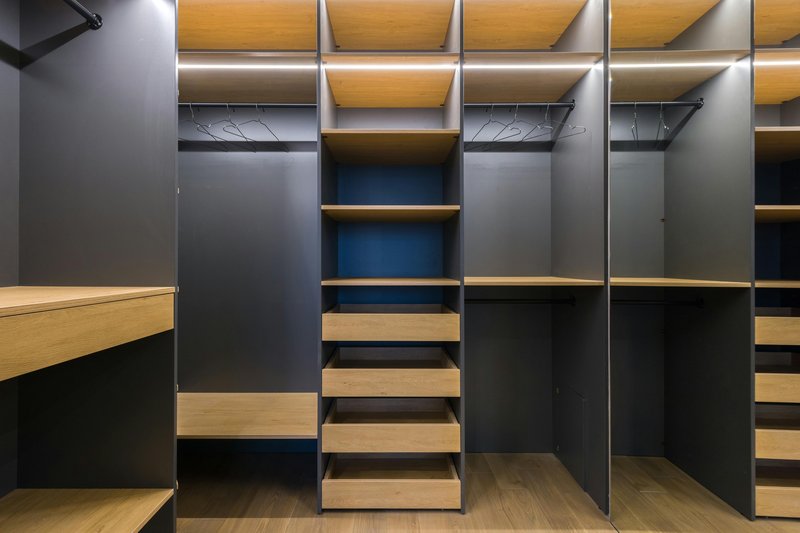
. For more ideas, check out His and Hers Walk-In Closet: Sharing Space.
Common Mistakes When Measuring Closet Linear Footage
Even experienced DIYers make these errors. I’ve seen them all firsthand.
- Forgetting to measure both sides of a corner. An L-shaped closet requires measuring each leg separately. Homeowners often measure only the longest wall and assume that’s sufficient. It’s not.
- Not subtracting double-counted overlaps. As mentioned earlier, corner overlap is easy to double-count. Always subtract the width of one corner bracket or return.
- Using a flexible tape measure. Cloth tapes can stretch up to 1% over their length. On a 10-foot wall, that’s over an inch of error. Use metal.
- Ignoring sloped ceilings. A wall that appears usable may only accommodate 36-inch hanging height if the ceiling angles down. Measure the actual vertical clearance before counting that wall as full linear footage.
- Measuring floor instead of wall height. Wall height determines whether you can use double rods. If your ceiling is 7 feet 6 inches, you can use double rods. If it’s 7 feet, it’s tight but possible. Measure the wall, not the floor.
- Forgetting door clearance. A closet door that opens inward eats into usable depth, which may reduce how much rod you can install on the opposite wall.
- Assuming rod length equals wall length. Rods need brackets at each end, plus a few inches of support. You can’t install a rod flush against a wall corner. Subtract 2â3 inches per bracket for accurate rod length.
First-person story: I once helped a homeowner who was certain her 5×6 walk-in had 12 linear feet of usable wall space. She had measured the back wall at 6 feet and the side wall at 6 feet and added them together. She forgot the back wall had a 3-foot window and the side wall had a return that ate 18 inches. Her actual usable linear footage was 7.5 feet. She ended up ordering a rod that didn’t fit. Measure twice, subtract obstructions, and you’ll avoid that frustration.
From Linear Footage to Budget: Estimating Material Costs
Once you have your linear footage number, you can start ballparking your budget. Here are typical per-linear-foot costs for common closet components:
- Basic closet rods: $2â$5 per linear foot. Standard chrome or painted steel. Functional but basic.
- Premium rods: $10â$20 per linear foot. Solid wood, brushed nickel, or heavy-gauge aluminum. Better aesthetics and durability.
- Basic shelving: $5â$10 per linear foot. MDF or wire shelving. Good for utility closets or budget builds.
- Custom wood shelving: $20â$40 per linear foot. Solid wood, finished edges, often sold by the shelf length. Premium look and feel.
- Hardware (brackets, flanges, end caps): Add $1â$3 per linear foot for basic hardware, $5â$10 for decorative hardware.
Sample budget: If you have 20 linear feet of double rod (so 40 total rod feet) plus 10 linear feet of shelving, you’re looking at roughly 50 linear feet of material. At mid-range costs ($10/ft for rods + $10/ft for shelving + $5/ft hardware), that’s about $500â$750 for materials alone. Labor, if hiring a pro, adds another $300â$600 depending on complexity.
Use your actual measurement to get quotes or plan your DIY. Most closet system retailers (and hardware stores) list prices per linear foot online, so you can build a realistic budget before you start shopping.
How to Use Your Linear Footage for Shopping and Planning
Now that you have your number, don’t just write it downâuse it. When you walk into a store or browse closet systems online, that linear footage number is your guardrail.
- At IKEA or The Container Store: Their modular systems are sold in predetermined widths (12, 18, 24, 30 inches). Your total linear footage tells you how many wall sections to buy. Aim to fill 90â95% of your available linear footage for a balanced look.
- For custom closet companies: Give them your linear footage, and they’ll quote you a system that fits. It also helps you compare quotes across brandsâa system claiming 30 linear feet should match your measurement.
- For online orders: Most modular systems list total linear footage in the product description. Compare that number to your calculated footage to avoid overbuying.
- Always add 10% extra for waste and future adjustments. You’ll likely need to trim shelves or rods, and you may want to reconfigure later. That extra 10% gives you room to adapt.
Soft CTA: Ready to get started? Find your options here. Browse popular closet organization systems to match your specific linear footage.
Final Checklist for Measuring Your Closet Linear Footage
- â Measure each wall section from corner to corner
- â Subtract obstructions (doors, windows, vents, outlets)
- â Do not double-count corner overlap
- â Decide single vs. double rods for each wall
- â Account for shelving and shelf depth separately
- â Add 10% for waste and future adjustments
- â Write down your final linear footage number
- â Double-check all measurements before ordering
Related Measurements: Square Footage, Hanging Height, and Depth
Linear footage is important, but it’s not the only number you need. Here are three measurements that complete your closet plan:
- Square footage: Multiply room length by width. This tells you floor space for layout, aisles, and circulation. A 6×8 room has 48 square feet. For a walk-in, you want at least 40 square feet for comfort.
- Hanging height: Single-rod closets need 60â72 inches of clear vertical space. Double-rod setups need about 80 inches total (upper rod at 80 inches, lower at 40 inches). Measure from the rod mounting point to the floor, accounting for sloped ceilings.
- Depth: Minimum 24 inches for hanging clothes on standard hangers. Deeper closets (30â36 inches) allow for double hanging or shelf storage behind rods. If your closet is only 22 inches deep, you’ll struggle to hang long garments without them brushing the back wall.
You need all four measurementsâlinear footage, square footage, hanging height, and depthâto design a closet that actually works. Use linear footage to determine rod and shelf quantities. Use square footage to plan layout. Use hanging height to choose rod placement. Use depth to ensure clothes hang freely.
Frequently Asked Questions About Closet Linear Footage
Can I add more linear footage later?
Yes, with modifications. You can install additional rods on unused walls, add corner rods, or convert single rods to double rods. However, if your closet is already full, you may need to remove existing shelving or reorganize. Plan for future expansion by leaving some wall space empty or using adjustable systems.
What’s the average linear footage for a walk-in closet?
A standard walk-in closet (roughly 6×8 feet) typically has 30â50 linear feet of usable wall space. Smaller walk-ins (5×6) average 20â30 linear feet. Luxury closets in high-end homes can reach 80â100 linear feet. Your measurement may vary based on the shape and obstructions.
Does linear footage include floor space?
No. Linear footage measures wall-mounted hanging and shelving space. Floor space is measured separately (square footage). You need both for a complete plan.
How do I measure a reach-in closet vs. a walk-in?
Reach-in closets are simpler because they typically have one or two walls. Measure the back wall and any side returns. Subtract the door width. For walk-ins with multiple walls, identify every wall segment where you plan to install rods, measure each, and add them togetherâremembering to subtract overlaps at corners.
Is it worth maximizing every inch of linear footage?
Not always. Closets need airflow to prevent moisture buildup and musty odors. Also, cramming rods and shelves into every corner can make the space feel claustrophobic. Leave at least a few inches of breathing room on each wall. A well-designed closet with 85% utilization often feels more usable than one at 100%.
Start Planning Your Closet with Confidence
By now, you have a clear understanding of what linear footage is, how to calculate it accurately, and why it’s essential for your closet project. Measuring correctly saves you from ordering the wrong materials, wasting money, and dealing with frustrating installs that don’t fit. You’ve also learned how to combine linear footage with other key measurementsâsquare footage, hanging height, and depthâto create a plan that actually works.
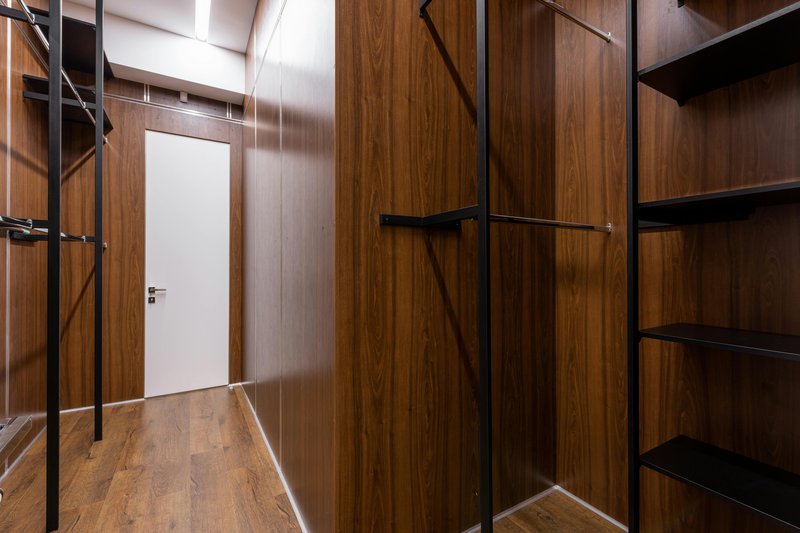
Now it’s time to take that number and explore your options. Whether you’re installing a basic rod system or designing a fully customized walk-in, your accurate measurement is the foundation everything else builds on. Use it to compare quotes, select modular kits, or plan a DIY build. You’re ready to move forward with confidence.
. For more ideas, check out How to Add LED Strip Lighting to Closet Shelves:.
Ready to get started? Find your options here. Discover top-rated closet rods and shelving systems to bring your plan to life.
Learn how to calculate closet linear footage accurately. Step-by-step guide with formulas, common mistakes, and tips for maximizing your storage space.
Learn how to calculate closet linear footage accurately. Step-by-step guide with formulas, common mistakes, and tips for maximizing your storage space.