How to Install a Full-Length Mirror on a Closet Door: A Complete Step-by-Step Guide
-
- 75

Introduction
If you’ve been holding off on a full-length mirror because there’s just no wall space, I get it. Small bedrooms, tight hallways, and rental rules can make it tough to find a spot. But there’s a solid workaround that’s been around for ages: mounting a mirror on a closet door. It saves floor space, gives you a real head-to-toe view, and doesn’t involve drilling into walls you might have to patch later. This guide covers the basics to install a door mirror the right way, whether you’re handy or just want to get it done without extra help.
We’ll go over the tools, the different mirror types, and three common ways to mount one. Plus, some things to keep in mind so it stays on the door for years. By the end, you should have a clear plan that fits your door and your comfort level.
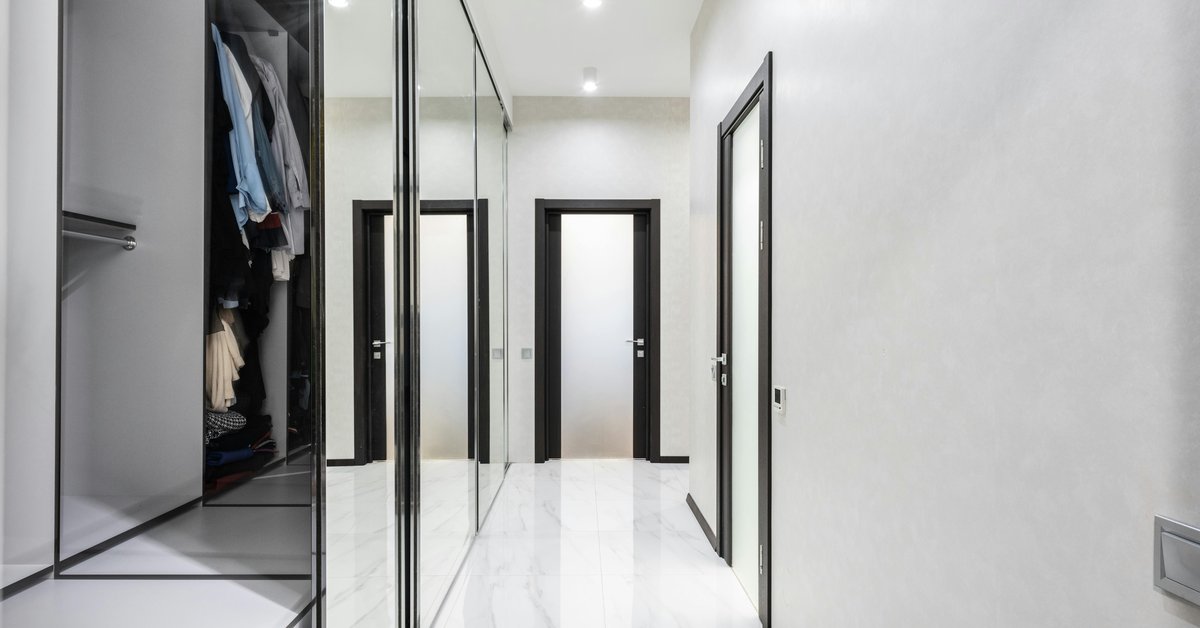
. For more ideas, check out Step-by-Step Built-In Closet Construction Guide.
Why Install a Full-Length Mirror on a Closet Door?
A full-length mirror on a closet door is one of those upgrades that just makes mornings easier. Instead of leaning over the bathroom sink or squinting at a small wall mirror, you get a proper look at your outfit right where you dress.
The main draw is saving space. In a small bedroom, every square foot counts. Putting the mirror on the door means you don’t have to give up wall space or leave room for a standing mirror. For renters, this is big. Most landlords aren’t thrilled about heavy mounts in drywall, and fixing holes later can eat into your deposit. A door mirror sidesteps that problem entirely.
Natural light plays a role too. Closet doors are often near windows or in brighter spots. Mounting a mirror there catches that light, making it more useful for checking yourself in different lightingâand it can make the room feel a bit bigger and more open.
Cost is another thing. A decent door mirror or mounting kit is usually cheaper than a bulky floor-standing mirror that takes up room. And if you’ve got a closet door that’s just sitting there, adding a mirror is a quick change that shifts how the whole room works.
Tools and Materials You’ll Need
Having everything ready before you start saves you from running out mid-project. Here’s what you’ll need, split into essentials and nice-to-haves.
Essential tools:
- Mirror â tempered glass is safest, sized for your door. Lightweight aluminum-framed ones are easier to handle, while heavier glass needs more robust mounting.
- Measuring tape â a standard 25-foot tape works fine.
- Level â a 2-foot or 4-foot level helps with bigger mirrors.
- Pencil â for marking the door. A fine-tip pencil is better than a thick marker for precise marks.
- Drill â a cordless drill is handy for screw-based setups.
- Screwdriver â for tightening clips or screws by hand.
- Safety gear â gloves and safety glasses when handling glass mirrors.
Installation-specific materials:
- Adhesive kit â heavy-duty double-sided tape or mirror adhesive if you’re skipping screws. Consider a heavy-duty mirror adhesive tape rated for the weight of your mirror.
- Mirror clips â for the screw method. Buy a set rated for the mirror’s weight.
- Wall anchors â for hollow core or thin wood doors. Plastic expansion anchors are usually enough.
- Cleaning supplies â rubbing alcohol or degreaser to prep the door surface.
Optional but helpful:
- Painter’s tape â for temporarily holding the mirror while you mark spots.
- A helper â for mirrors over 40 inches tall, an extra pair of hands makes alignment easier.
- Stud finder â only useful on solid wood doors or if you want extra security with screws.
Choosing the Right Mirror for Your Closet Door
Not every mirror works on every door. The material, weight, and how you mount it all matter. Here’s how to match the mirror to your situation.
Frameless mirrors give a clean, modern look. They’re usually tempered glass with polished edges. The big plus is the appearanceâthey blend into the door almost invisibly. The downside is they’re heavier than framed ones, and you typically need clips or adhesive rated for glass. Best for solid wood doors with smooth surfaces.
Framed mirrors have a metal, plastic, or wood border. Aluminum-framed ones are lightweight and easier to handle. The frame gives more surface for adhesive and clips, and it hides small alignment issues. If you have a hollow core door, a framed mirror is often the safer bet because it weighs less. Look for an aluminum-framed full-length mirror designed for door mounting.
Adhesive-backed or peel-and-stick mirrors are lightweight sheets with a sticky backing that goes right on the door. They’re popular in rentals because they require no tools. The tradeoff is that the reflection isn’t perfectly clearâthere’s some distortion compared to real glass. They work fine for quick checks but not for detailed grooming.
Film mirrors aren’t really mirrorsâthey’re reflective material you apply like a decal. The reflection is noticeably dim and wavy. I wouldn’t suggest them if you need a clear view, but they’re the lightest option and won’t break.
Best for your door type:
- Hollow core door: Lightweight acrylic or adhesive-backed mirror. Aim for under 10 pounds total.
- Solid wood door: Any mirror up to 30 pounds with proper clips or adhesive.
- Metal door: Use adhesiveâdrilling into thin metal isn’t easy, and screws may not hold.
The most common mistake is buying a mirror that looks good without checking if it can be mounted on your door. A heavy floor mirror isn’t designed for door use. Look for mirrors labeled “door mountable” or check the weight and included hardware before buying.
Preparation: Measuring and Marking the Door
Getting the mirror in the right spot comes down to measurement. Here’s a simple process.
Measure your door. Standard interior doors are 80 inches tall and 30 to 36 inches wide. Your mirror should be at least an inch narrower than the door on each side, and the top edge shouldn’t hit the door frame or hinges when closed.
Decide on placement. Most people center the mirror for a balanced look. But if there’s a door handle or knob, offset the mirror a bit so the handle doesn’t hit the glass when the door closes. Keeping the mirror at least 2 inches away from the handle’s path is a good rule.
Mark the center lines. Use your measuring tape to find the vertical and horizontal center of both the mirror and the door. Draw light pencil lines. If you’re using clips, these marks help with even spacing.
Hold the mirror in place. Have a helper hold the mirror against the door while you step back to check the position. Use painter’s tape around the mirror’s edges to mark where they’ll go. This lets you remove the mirror and still see your boundaries.
Double-check clearance. Close the door after marking to make sure the mirror won’t hit the frame, handle, or trim. This step gets skipped a lot, and it’s why some mirrors crack on the first close. Check twice, install once.
Method 1: Installing with Adhesive Tape (Renter-Friendly)
Adhesive installation is the simplest method and leaves no permanent marks. It’s best for lightweight mirrors (under 15 pounds) and smooth door surfaces.
Prepare the door surface. Clean the area thoroughly with rubbing alcohol or a mild degreaser. Let it dry completely. Any dust, oil, or old paint residue will weaken the bond. For textured or painted doors, lightly sand the area where the adhesive will go, then clean again.
Apply the double-sided tape. Use tape rated for mirrorsâ3M VHB or similar high-bond tapes work well. Stick strips to the back of the mirror in a grid pattern: along the edges and a few strips across the middle. For a 20 x 60 inch mirror, aim for at least 10 strips. Press firmly so the tape adheres to the mirror back.
. For more ideas, check out How to Install a Hidden Safe in Your Closet: A.
Mount the mirror. With a helper, lift the mirror to your marked position on the door. Press it against the door surface. Start from the center and work outward, pressing each section of the tape firmly. Apply even pressure for 30 to 60 seconds on each area.
Let the adhesive set. Don’t use the door for 24 hours. The bond strengthens as the adhesive cures.
When this method works and when it doesn’t:
- Good for: Smooth hollow core doors, metal doors, painted surfaces, renters who can’t drill.
- Not recommended for: Heavy mirrors (over 20 pounds), rough wood grain, doors that warp or bow in humidity.
Method 2: Installing with Screws and Clips (Permanent Fix)
If you want something that won’t budge in high-traffic rooms, screws and clips are the way to go. This is more secure but leaves screw holes in the door.
Choose your clips. You’ll need at least four clips for a standard full-length mirror. Six or eight is better for larger or heavier mirrors. Make sure the clips are rated for the mirror’s thickness. A set of mirror clips for door mounting will provide a secure hold for most standard mirrors.
Locate the right spots. Place the mirror on the door and mark where each clip will go. Clips should hold the mirror near the edges, not in the middle. Space them evenly: for example, two clips on each side along the vertical edges, or one at each corner. Avoid the area where the door hinges attach.
Drill pilot holes. If you have a hollow core door, use a drill bit slightly larger than your wall anchor. Insert the plastic anchor into the hole, then tap it flush with a hammer. For solid wood doors, you can drill a smaller pilot hole and drive the screw directly into the wood.
Install the clips. Screw the clip bases into the anchors or wood. Don’t fully tighten yet. Slide the mirror into the bottom clips, then hold it in place while you attach the top clips. The clips should hold the mirror firmly but not pinch it.
Level the mirror. Before final tightening, use your level to make sure the mirror is straight. Adjust one clip at a time. Tighten evenly so the mirror doesn’t warp or sit at an angle.
Common error: Using screws that are too short. For hollow core doors, the screw needs to go through the door’s thin skin and into something solid. Use screws long enough to anchor into the door’s frame or use toggle bolts for extra grip.
Method 3: Using a Mirror Door Kit (All-in-One Solution)
Mirror door kits are designed to make the process more straightforward. They come with a pre-cut mirror, a frame or mounting bracket, and all the hardware. For many homeowners, this is the easiest route if you don’t want to piece things together yourself.
Cost vs. convenience. Kits are more expensive than buying a separate mirror and clips, but the savings in time and frustration can be worth it. Prices vary, but you can find solid kits with a lightweight acrylic or framed glass mirror. A mirror door kit for closet is a convenient choice if you want everything in one package.
Who should use a kit? These are ideal for standard slab doors (flat, no panels). If your door is 80 inches tall and 30 inches wide, a kit sized for that door will likely fit perfectly. Beginners benefit the mostâthere’s less margin for error. Experienced DIYers might prefer to pick their own mirror and clips for more flexibility, but a kit saves trips to separate stores.
What some kits include:
- Pre-cut mirror (often acrylic or tempered glass)
- Mounting frame or J-channel that holds the mirror
- Adhesive strip or clips
- Alignment guides
- Level
For renters, look for kits with adhesive-only installation. For permanent setups, kits with a bracket and screw system are better. Read the product description carefullyâsome kits require you to cut the mirror to size, which removes the convenience advantage.
Common Mistakes to Avoid When Installing a Door Mirror
I’ve seen these mistakes happen, and heard about them from others. Here’s what to watch out for so you don’t end up with a broken mirror or a door that won’t close.
- Not checking door clearance first. A full-length mirror adds thickness to the door. If the clearance between door and frame is tight, the mirror can scrape the frame or hit the handle on the adjacent door. Measure the gap before you buy anything.
- Ignoring the weight limit of your door’s hinges. An interior door’s hinges are designed for the door slab, not the door plus 20â30 pounds of mirror. Adding too much weight can cause the door to sag or the hinges to strip over time.
- Poor surface prep for adhesive. The number one cause of adhesive failure is a dirty or uneven door surface. Even if the door looks clean, wipe it down with alcohol.
- Uneven spacing of clips or adhesive strips. If clips are placed unevenly, the mirror can rock or rattle over time. Use a measuring tape to space them symmetrically.
- Forgetting to test the door swing after installation. Once the mirror is on, open and close the door slowly. If you hear scraping or the mirror catches on the frame, reposition it immediately.
- Using the wrong drill bit for door material. A standard wood bit works for solid doors, but on hollow core doors, you can drill through the thin skin into empty space. Use plastic anchors and drill carefully to avoid blowout.
How to Ensure the Mirror Stays Secure Over Time
A well-installed door mirror can last for years with minimal upkeep. Here are a few habits that help.
Periodic checks. Every few months, inspect the clips or adhesive edges. If you see the mirror shifting or hear a rattle when the door moves, tighten screws or re-press adhesive. For screw-based setups, use a screwdriver to gently tighten each clipâjust snug them up, don’t overtighten.
Don’t slam the door. Accidents happen, but consistent slamming puts shock stress on the mirror. If you have kids or a heavy draft, consider a door stop to cushion the closure.
Clean gently. Use a microfiber cloth and a glass cleaner with no ammonia. Ammonia can degrade some adhesives over time. Avoid spraying directly onto the mirror edges where the mounting is. Spray onto the cloth and wipe the glass instead.
Signs of failure: Loose corners, visible gaps between mirror and tape, or an audible click when the door moves. Address these promptlyâa loose mirror can fall unexpectedly and shatter.
Full-Length Door Mirror vs. Wall-Mounted Mirror: Which Is Right for You?
Both options have their place. Here’s how to decide based on your situation.
Door mirrors are excellent for tight spaces. They don’t take up floor or wall space, and they make use of a door surface that’s often empty. The reflection angle is good tooâyou can stand directly in front of it. The tradeoff is that you lose flexibility: you can’t move the mirror to a different spot without removing it, and it adds weight to the door. They work best in bedrooms, dressing areas, or narrow hallways.
Wall-mounted mirrors offer more placement options. You can put one at the end of a hallway, over a dresser, or in a walk-in closet. They don’t affect door operation, and you can choose a size that fits any wall space. The downsides are installation difficulty (you may need to find studs or use heavy-duty anchors) and potential damage to the wall.
Decision guide:
. For more ideas, check out How to Install a Pull-Out Mirror for Small.
- If you have limited floor and wall space: go with a door mirror.
- If you want a bathroom or entryway mirror: wall-mounted is more practical.
- If you value flexibility to rearrange furniture: a floor-standing mirror or wall-mounted is better.
- If you want the simplest installation with no wall damage: door mirror with adhesive is your answer.
Final Checklist Before You Start
- Choose the right mirror for your door material and weight capacity.
- Gather all tools and supplies (tape, level, drill, clips, safety glasses).
- Measure the door and the mirror, and mark the position with painter’s tape.
- Check door clearance when the door is open and closed.
- Pick your installation method: adhesive for no-drill, clips for security, or a kit for convenience.
- Test the door swing after installation to confirm no scraping or catching.
- Allow adhesive to cure for 24 hours before heavy use.
Ready to Get Started? Find Your Perfect Mirror Here
You’ve got a plan now and a few solid methods to choose from. Whether you need a quick rental-friendly fix or a permanent upgrade that stays put, it comes down to matching the right mirror and hardware to your door type. Take a few minutes to measure your door, think about how much weight it can carry, and pick the installation route that fits your comfort level. Ready to get started? Find your options here and pick the mirror that works for your space.
Learn how to install a full-length mirror on a closet door with this step-by-step guide. Covers tools, mounting methods, and common mistakes to avoid.
Learn how to install a full-length mirror on a closet door with this step-by-step guide. Covers tools, mounting methods, and common mistakes to avoid.