How to Adjust Closet Shelving Heights: A Practical DIY Guide
-
- 120

Introduction
Few things in a home frustrate as quietly as closet shelving that just doesnât work. Youâve got stacks of sweaters that topple over. Shoes crammed into spaces that were never meant for them. That one shelf where you store bulky items but it sits at knee height â useless. The fix is simpler than most people think: you just need to know how to adjust closet shelves to match what you actually own.
This guide is for homeowners who want real, usable storage. Not photo-ready closets that fall apart the first time you grab a jacket. Iâve done this myself across half a dozen closets â different systems, different materials, different levels of patience. What follows is practical, experience-based advice. No fluff. No magazine-style descriptions of imagined spaces. Just the steps, tools, and decisions that actually matter.
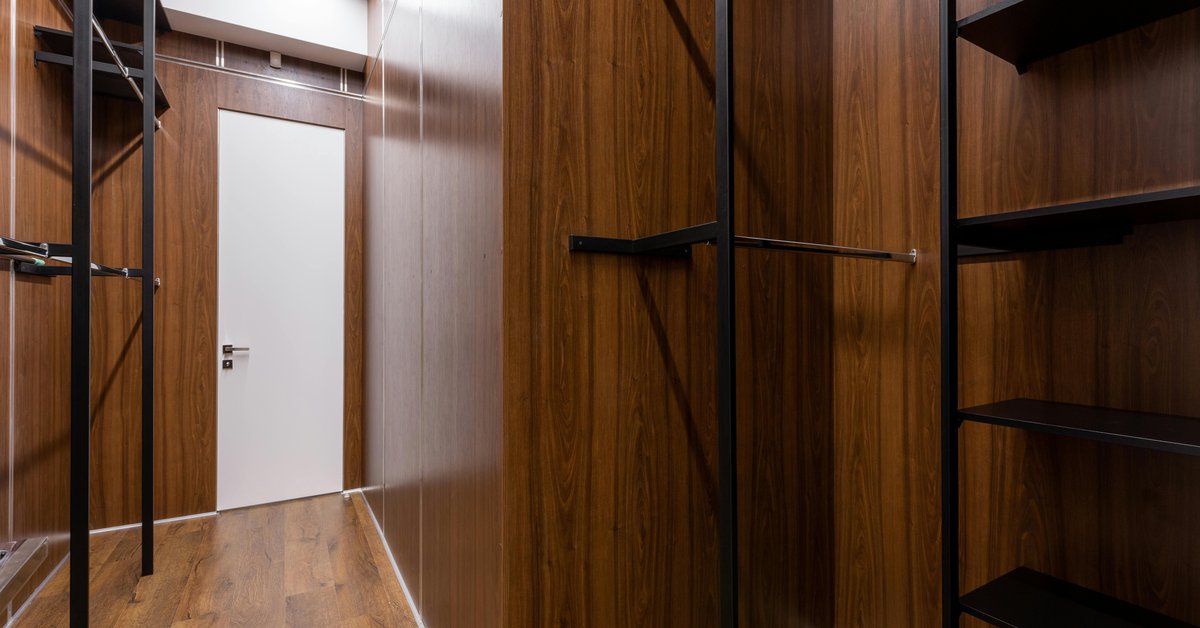
Whether youâre working with wire shelves, laminate slabs, or old wood brackets, the same core logic applies. You assess what you have. You measure what you need. And you move things until they fit your life. Letâs walk through that process.
. For more ideas, check out French Country Walk-In Closet Inspiration: Design.
Why Adjusting Closet Shelves Matters
Most closets are installed with a one-size-fits-all mentality. The builder or previous owner picked a shelf height that seemed reasonable, and thatâs where it stayed. That choice rarely works for you. The real benefit of adjusting shelves is reclaiming space thatâs currently wasted.
Think about the gap above a stack of folded jeans where nothing sits. Or the shelf thatâs too low to hold a basket but too high to reach without a stool. Every inch thatâs not serving your actual items is dead space. Adjusting shelves turns that dead space into usable storage. It changes how accessible your things are. You stop digging through piles. You see what you own. You stop buying duplicates of things you forgot you had.
Thereâs also an aesthetic component. Shelves that match your item heights look intentional. Things line up. The visual clutter drops. But the main reason to do this is practical. A well-adjusted closet makes your morning routine faster and your storage more efficient. The tradeoff is time. Depending on your setup, this could take an afternoon or a weekend. Against the cost of hiring someone â which can run several hundred dollars for a simple reconfiguration â DIY makes sense for most people. The only exception is if youâre dealing with complex built-ins or load-bearing structures. Weâll cover that later.
Tools Youâll Need to Adjust Closet Shelves
Before you touch a single shelf, gather your tools. Nothing kills momentum like stopping mid-project to find a level. Hereâs what you actually need.
Essential tools:
- Measuring tape â A 25-foot tape is fine. You mostly need it for height and width measurements.
- Level â A 2-foot or 4-foot level works. Donât skip this. Shelves that slope slightly look wrong and cause items to slide. If you donât already own a reliable level, itâs worth picking one up. A quality level will get reused on other projects.
- Drill with screwdriver bits â A cordless drill makes removing and reinstalling shelves much faster. A manual screwdriver works but will test your patience.
- Screwdriver (manual) â For tight spots or stubborn screws the drill canât reach.
- Stud finder â Critical if youâre adding new brackets or standards to drywall. Hitting a stud ensures shelves hold weight without pulling out.
Optional but helpful:
- Pencil â Mark bracket positions before drilling. on this.
- Painterâs tape â Stick it on the wall to mark measurements and drill points. Makes cleanup easier.
- Utility knife â For cutting shelf liners or trimming bumpy edges.
- Safety glasses â Drywall dust and debris happen. Protect your eyes.
If you need a reliable stud finder or a cordless drill, these are worth buying. You can find a reliable stud finder and a cordless drill at most hardware stores. Nothing fancy â just tools that work.
Step 1: Evaluate Your Current Setup
Not all closet shelving systems are created equal. Before you start moving things, you need to know what youâre working with. This step saves time and prevents mistakes.
Identify the shelf type. The most common are:
- Wire shelves â Often found in rental apartments or builder-grade closets. Theyâre lightweight and clip into track systems or L-brackets. Adjustments are usually straightforward.
- Wood or laminate shelves â These are more common in custom or upgraded closets. They may rest on metal standards and brackets or sit on wooden cleats. Adjustments can require more effort, especially if shelves are fixed with screws.
- Solid wood or plywood shelves â Heavy and sturdy. These often require stronger supports and careful handling.
Check the support system. How are your shelves held up?
- Track systems (standards) â Metal strips with slots that hold adjustable brackets. These are the easiest to reconfigure. You just move the brackets to different slots.
- L-brackets â Often screwed directly into studs or drywall anchors. You may need to move or add new brackets when adjusting height.
- Wooden cleats â A strip of wood nailed or screwed into the wall. Shelves rest on top. Adjusting these requires moving or replacing the cleat.
- Pin-style systems â Small pegs inserted into holes drilled into the closet sidewalls. Adjusting is as simple as moving the pins to different holes.
Inspect for damage. A loose bracket, a cracked shelf, or a wall anchor thatâs pulled out. If you find anything unstable, fix it before adjusting. Donât just move a broken shelf to a new height â it will break again. Also look for water damage or warping. Shelves that are visibly bowed will never sit level. Replace them.
One thing Iâve learned: donât assume the previous installation was done correctly. Iâve opened closets where shelves were held up by drywall anchors alone â not a single stud. Thatâs a recipe for failure. If youâre going to the trouble of adjusting, do it right. Anchor into studs where possible. If thatâs not an option, use high-quality toggle bolts or snap toggles designed for heavy loads.
This evaluation step also tells you whether the project is straightforward or if youâre in for a longer job. Wire shelves on tracks? Easy. Wood shelves on cleats with painted-in screws? Thatâs a different day.
Step 2: Measure and Plan New Heights
This is where most people rush â and where most mistakes happen. You need to know what youâre storing and how much vertical space each item requires. Donât guess. Measure.
How to measure for different items:
- Folded shirts and sweaters â Stack them as you normally would. Measure the height of the tallest stack. Add 1 to 2 inches for easy removal. Typical shelf spacing for folded clothes is 10 to 14 inches.
- Pants and shorts (folded) â A folded stack of jeans averages about 4 to 6 inches. Allow 6 to 8 inches between shelves for these.
- Shoes â Flat shoes need 6 to 8 inches. Sneakers and heels need 8 to 12 inches. Boots â especially knee-high styles â may need 16 to 20 inches or dedicated boot storage.
- Hanging items â This is for shelves above or below hanging rods. Below a rod, you need clearance for shirts (36 inches from rod to shelf below), pants folded over hangers (24 to 30 inches), or long dresses (48 inches or more). Above the rod, 12 to 18 inches is usually enough for storage bins or seasonal items.
- Bins, baskets, and boxes â Measure the tallest container you plan to store. Leave at least 1 to 2 inches of clearance above it.
Common spacing standards (as starting points):
- 12 inches between shelves for shoes
- 8 to 10 inches for folded casual wear
- 14 to 16 inches for bulky sweaters or hoodies
- 36 inches below a rod for shirts on hangers
The warning: Donât plan too tight. A shelf that sits exactly 13 inches above a stack of 12-inch boots means youâll be wrestling every pair out. Add that buffer. Also donât plan too loose â youâll waste vertical space. The sweet spot is 1 to 2 inches of clearance above your tallest item.
Write down your measurements. Draw a rough sketch of the closet wall with your desired shelf positions. Mark the distances from the floor. This plan is your blueprint. Without it, youâre just guessing with a drill.
One practical tip: if youâre working with a track system, mark several potential bracket positions with a pencil before committing. That way you can step back and see the layout without drilling holes youâll regret.
Step 3: Adjusting Brackets and Standards
This is the hands-on part. The method depends entirely on your support system, so Iâll break it down by type.
Track systems (standards with adjustable brackets): These are the easiest. Remove the shelf by lifting it slightly and pulling it forward. The shelf will slide out of the bracket clips or rest on top of them. Then simply remove the brackets from the track by lifting them up and out. Reposition them at the desired height by sliding them into the new slot. Make sure they click or lock into place. Replace the shelf and check with your level. Adjust if needed.
L-brackets directly into wall: This requires more work. Remove the shelf by unscrewing the brackets from the underside or back edge. Then unscrew the brackets from the wall. Patch the old screw holes with spackle if you want a clean look. Screw the brackets into the wall at your new height â ideally into studs. Use your level to ensure each bracket is aligned. Replace the shelf and secure it to the brackets.
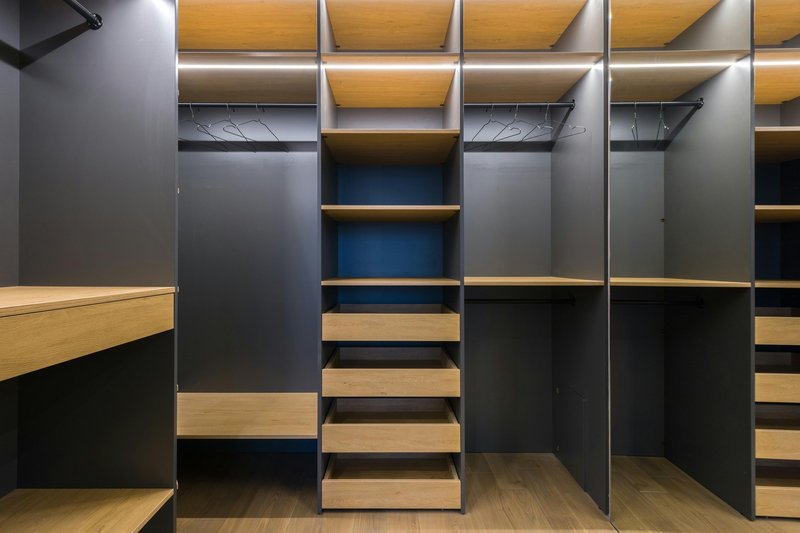
. If you’re interested in related upgrades, see our guide to How to Budget for Closet Hardware and Designer.
Pin-style systems: Remove the shelf by lifting it off the pins. Pull out the pins from their current holes. Insert them into the new holes at your desired height. Make sure all pins are fully seated. Place the shelf back on top. Check with a level. Thatâs it.
Wooden cleats: These are more permanent. Youâll need to remove the cleat from the wall, patch the old screw holes, and install a new cleat at the desired height â again, into studs. This is closer to a carpentry task than a simple adjustment. If youâre not comfortable with that, consider switching to an adjustable bracket system.
Leveling tips: Use a 4-foot level if you have one. A shorter level can miss minor slopes. Check the front-to-back level as well. Shelves should not tilt downward toward you. Also check that the shelf sits flat on all brackets. If a bracket is slightly higher than its neighbor, the shelf will rock. Shim it with a thin piece of cardboard or adjust the bracket.
Common mistakes: Over-tightening screws. Especially with wire shelves â you can strip the bracket teeth or crack the shelf coating. Also, not checking level after the first shelf. If the bracket moves when you tighten, re-check. Donât assume it stayed put.
And hereâs a frustration Iâve felt: you adjust a shelf, walk away, come back, and it looks fine. But when you load it, something feels off. Thatâs nearly always because the brackets werenât fully engaged. Press down gently on the shelf before you declare success. If it moves, you missed something.
Step 4: Adding or Removing Shelf Rows
Sometimes you need more than just height adjustment â you need more shelves or fewer. This is common when converting a double-hang closet to single-hang with shelving above, or adding a shoe shelf where there was none.
Adding a shelf: Measure the width of your closet wall. If youâre adding to an existing track system, you just need a new shelf and brackets in the right size. Purchase pre-cut shelves or have a board cut to width at a hardware store.
If thereâs no track, you can install new L-brackets into studs or use heavy-duty drywall anchors. Position the brackets at the desired height, ensuring theyâre level horizontally. Place the shelf on top and secure it. For extra stability, screw the shelf into the brackets from below.
What to avoid: Using brackets rated for less weight than your items. A shelf holding 20 pairs of shoes needs brackets rated for 50 pounds minimum. Check the manufacturerâs specs. For heavy loads, consider heavy-duty shelf brackets that are designed to handle more weight.
Removing a shelf: Often, removing a shelf creates the vertical space you need for tall items or hanging rods. Unscrew the brackets or pull the shelf off its supports. Patch the holes left in the wall. If youâre removing a shelf from a track system, store the brackets and shelf somewhere accessible. They might be useful later.
When to use adjustable vs. fixed shelves: Adjustable gives you future flexibility. Fixed is sturdier, especially for heavy loads. If youâre confident in your layout and donât plan to change it, fixed shelves with strong brackets work great. If your storage needs change seasonally or youâre still experimenting, go adjustable.
If youâre adding shelves, consider quality materials. Melamine-coated particle board is affordable and smooth. Solid wood is more expensive but durable. Brackets are inexpensive â buy a few extras.
Common Mistakes When Adjusting Closet Shelves
Iâve made most of these myself. Maybe youâll skip a few.
- Not checking drywall thickness. Many closets have 1/2-inch drywall. Some have 5/8-inch. Using the wrong anchor can lead to a pulled-out shelf. Always check when drilling.
- Skipping the level. Shelves that arenât level are immediately noticeable. Items slide. It looks sloppy. Always use a level â even for a single shelf.
- Not hitting studs. Drywall anchors are fine for light loads â think scarves or empty baskets. But heavy items like books, shoes, or stacked bins need studs. A shelf loaded with 30 pounds on drywall anchors alone is a disaster waiting to happen.
- Underestimating weight capacity. Shelves themselves have limits. A thin wire shelf canât hold heavy totes. A 12-inch deep laminate shelf will bow under weight. Know your materials. Reinforce or replace if needed.
- Forgetting about door clearance. A beautiful shelf layout means nothing if you canât close the closet door. Measure clearance for sliding doors or bifolds. Standard reach-in closets often have less usable depth than you think.
- Measuring once and trusting it. Measure twice. Or three times. One wrong measurement and youâre drilling holes in the wrong spot. Patchwork is fixable, but itâs annoying.
- Overcomplicating the layout. Sometimes people try to maximize every half-inch and end up with a frustrating jigsaw. Leave breathing room. A simpler layout that works daily beats a maximized layout that drives you crazy.
These mistakes are fixable, but they waste time and materials. Go slow on the planning. Speed comes after the right measurements.
When to Call a Professional vs. DIY
This is a practical decision, not an ego question. Some closet adjustments are well within DIY reach. Others are better left to someone who does it every day.
Best DIY scenarios:
- Adjusting shelves in a track system (moving brackets, repositioning shelves)
- Adding a shelf between existing tracks
- Removing a shelf to create space
- Swapping wire shelves for laminate on existing tracks
- Minor re-spacing that doesnât require cutting or heavy drilling
Worth hiring out:
- Full closet reconfigurations that involve cutting new shelves
- Installing new track systems from scratch
- Working with built-in shelving thatâs painted or glued in place
- If you donât own a stud finder, level, or drill â and would need to buy them for a single project
- If your closet has complex corners, slanted ceilings, or unusual dimensions
Cost tradeoff: A professional reconfiguration can run between $200 and $600 depending on labor and materials. DIY costs are usually under $50 for basic tools and brackets â plus a few hours of your time. If your setup is straightforward, DIY wins. If youâre unsure about wall construction or need custom cuts, spending the money on a pro saves the headache of fixing mistakes.
Hereâs my rule: if the project involves cutting new wood, installing tracks into concrete or brick, or requires more than 10 brackets, Iâm calling a pro. Otherwise, I do it myself.
Tools and Accessories to Simplify the Job
Once the shelving is adjusted, a few accessories make the closet work better. These arenât luxuries â they solve real problems.
- Shelf liners â Prevents items from slipping, especially on smooth laminate. Also protects the shelf surface. Non-slip shelf liner is easy to cut and clean.
- Closet rod brackets â If youâre adding hanging space alongside your shelves, rod brackets are essential. Adjustable ones let you change rod height later.
- Adjustable shelf supports â Extra pins or clips for track systems. Having spares means you can reconfigure without buying new hardware.
- Storage baskets and bins â Rectangular bins fit neatly on adjustable shelves. They keep small items contained and look uniform. Fabric bins are lightweight, and many are collapsible.
- Leveling shims â Thin plastic or wood strips. Useful if a bracket isnât perfectly aligned and you need a quick fix.
- Label maker or labels â Simple but effective. Labeling shelf sections helps family members put items back where they belong.
Donât over-accessorize. One or two well-chosen items â like a couple of solid bins and a roll of shelf liner â go further than a closet full of mismatched organizers.
Final Tips for a Perfect Shelf Adjustment
Before you put everything back, take a moment to confirm your work.
- Double-check measurements. Measure the height from the floor to each shelf. Confirm it matches your plan. If anything is off, now is the time to fix it.
- Test load capacity. Place your heaviest items on each shelf. Does it feel solid? Does the bracket shift? If it wobbles, reinforce it.
- Consider future needs. Your storage today might not match your storage next season. If possible, leave one or two shelves adjustable so you can reconfigure quickly. Consider leaving extra vertical space for tall boots or holiday decorations.
- Step back and view it. This helps catch visual misalignments that you miss when youâre working up close.
- Organize by frequency of use. Keep daily items at eye level or waist level. Seasonal items go higher. Shoes you wear weekly go on middle shelves. This reduces bending and reaching.
The whole process takes patience. But a closet with properly adjusted shelves repays the effort every single day.
Ready to Get Started? Find Your Options Here
Adjusting closet shelving is one of those projects that looks bigger than it is. If you take it step by step â evaluate, measure, adjust, test â itâs completely manageable. Youâll end up with a closet that actually works for your belongings and your routine. Whether youâre moving a single wire shelf or reconfiguring a whole wall, the same approach applies: plan first, execute carefully, and donât skip the level.
. For more ideas, check out How to Design a Hollywood Regency Walk-In Closet:.
If you need tools or accessories to get started, explore the recommended products Iâve linked throughout this guide. Most are affordable and widely available. Pick what fits your setup and get started. The only mistake is leaving those shelves at useless heights.
Learn how to adjust closet shelves for better storage and accessibility. Step-by-step guide with tips on tools, common mistakes, and when to call a pro.
Learn how to adjust closet shelves for better storage and accessibility. Step-by-step guide with tips on tools, common mistakes, and when to call a pro.