How to Secure Heavy Shelving Units to Wall Studs: A DIY Guide
-
- 72

Introduction
If you’re upgrading a closet and planning to use heavy shelving, there’s one thing to figure out first: where are the studs? Drywall alone won’t hold that kind of weight. It doesn’t matter how nice the shelves are or how carefully you put them togetherâif the attachment points can’t handle the load, it’s coming down eventually. This guide walks through how to secure closet shelving to wall studs, step by step. It’s meant for homeowners who want storage that’s safe, lasts, and doesn’t look half-done. Whether it’s a walk-in or a reach-in, these are the methods that actually hold up.
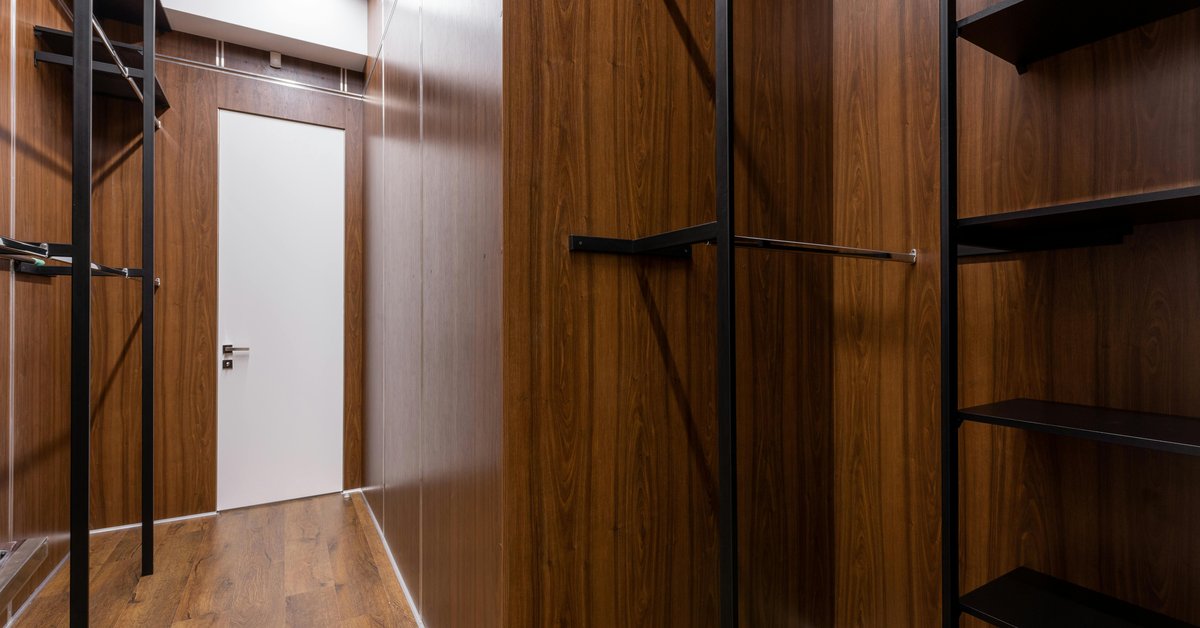
Why Securing to Studs Matters for Heavy Shelving
The basic physics is straightforward: drywall is fragile. A standard anchor might hold 20 to 40 pounds under ideal conditions, but heavy shelvingâespecially when loaded with clothes, bins, or shoesâexceeds that fast. A fully packed closet shelf can easily weigh 150 pounds or more. Drywall anchors aren’t meant for that kind of ongoing stress.
. For more ideas, check out How to Design a Hollywood Regency Walk-In Closet:.
Studs are the only structural supports in most walls. They’re usually 2×4 or 2×6 lumber running vertically from floor to ceiling. Screwing directly into wood studs spreads the load into the house’s framing, not just the paper face of drywall. That’s the difference between a shelf that stays put for years and one that pulls out of the wall at 3 a.m.
There’s also the wall damage factor. Even if an anchor holds temporarily, a loaded shelf will eventually crack the drywall or pull the anchor through. That means patching, repainting, and re-anchoringâa frustrating cycle that stud mounting avoids entirely.
If you’re renting, check your lease and talk to your landlord before drilling into studs. Many allow it for shelving, but some don’t. For homeowners, the upfront effort of finding and using studs is the single most important step for lasting results.
Tools and Materials You’ll Need
Having the right tools makes this job straightforward instead of frustrating. You don’t need a full workshop, but a few specific items are essential.
- Stud finder â A basic magnetic stud finder works, but an electronic model with deep-scan mode is more reliable for finding stud edges. Look for one that also detects live electrical wiring. Homeowners who want to avoid drilling into wires may benefit from a stud finder with wire detection capability. This isn’t a place to cut corners.
- Drill and drill bits â A cordless drill with variable speed is ideal. For pilot holes, you’ll need bits sized to match your lag bolts. A 1/8-inch bit is common for medium bolts, but always check the hardware specifications.
- Level â A 24-inch level is long enough to span shelving brackets. A torpedo level works in tight spaces but requires more care to keep straight.
- Socket wrench or impact driver â Lag bolts require torque. A socket wrench gives you control; an impact driver is faster but easy to overtighten. For most closets, a hand-driven socket is safer.
- Pencil and measuring tape â Standard layout tools. Mark stud locations clearly before drilling.
- Safety glasses and dust mask â Drywall dust gets everywhere, and splinters from studs can fly when drilling.
- Lag bolts and washers â At least 3-inch long bolts for standard 2×4 studs with drywall. Always use washers under the bolt head to prevent pulling through brackets.
- Heavy-duty brackets or mounting plates â These need to match your shelving system. For custom wooden shelves, buy brackets rated for the weight you plan to store.
If you’re starting from scratch, a heavy-duty shelf bracket kit often includes brackets, bolts, and washers together. That saves a trip to the hardware store.
Step 1: Locate and Mark the Wall Studs
Studs aren’t always spaced 16 inches apart. Some older homes use 24-inch centers, and remodeling can shift things. Never assume. Use a stud finder.
Run the stud finder across the wall horizontally. When it alerts, mark the edge. Continue past the alert until it stops, then mark the other edge. The center of the stud is roughly between those two marks. Repeat this at different heights to confirm the stud runs vertically.
A common beginner mistake is to stop at the first beep and drill. That can put you on the edge of a stud instead of the center, which reduces bite for your bolts. Always find both edges.
If you’re working near electrical outlets or switches, assume wiring runs horizontally from them. Stud finders with wire detection help, but it’s better to drill cautiously and avoid drilling directly above or below outlets unless you’re certain the path is clear.
Once you’ve located studs, mark them at the height where your brackets will sit. Use a level to draw a reference line across the wall. This line guides bracket positioning.
Confirm your stud with a small test nail. Drive a finish nail into the center of where you think the stud is. If it hits solid wood, you’re good. If it punches through easily, you missed. Patch the test hole with joint compound later.
Step 2: Choose the Right Hardware for Your Shelving
Not all shelving systems are built the same, and the hardware you need depends on what you’re mounting.
Wooden shelves â Heavy-duty L-brackets with a gusset plate work best. Use 3/8-inch diameter lag bolts at least 3 inches long into the stud. For shelves longer than 4 feet, use four brackets minimum. For extra stability, fasten the back of the shelf itself into the stud as well.
Metal shelving systems â Many metal systems come with their own mounting brackets. These often use smaller bolts. Do not substitute generic hardware if the system uses proprietary partsâthey were engineered for a specific load distribution. If you need longer bolts to reach a stud, buy matching hardware from the manufacturer.
Modular closet systems (wire or laminate) â These typically attach with a top rail and vertical standards. The rail screws into studs. Use the manufacturer’s recommended screws, but upgrade to longer screws if the rail thickness requires more bite. For wire shelving, the back supports are critical; make sure every bracket or clip hits a stud.
Best for heavy loads â If you’re storing luggage, bins, or out-of-season gear, choose brackets with a weight rating of at least 200 pounds per pair. Bolts should be number 14 or larger diameter, with washers on both sides if the bracket design permits.
Avoid toggle bolts and molly bolts for primary support. They’re better suited for medium loads like towel bars or lightweight shelving in bathrooms. For closet shelving holding significant weight, studs are the only reliable anchor point.
Step 3: Pre-Drill Pilot Holes for Precision
This step separates a clean installation from a frustrating one. Pilot holes ensure your bolts go in straight and don’t split the stud. Splitting reduces holding strength by up to 50 percent.
Select a drill bit slightly smaller than the diameter of your lag bolt’s shank. For a 3/8-inch bolt, use a 5/16-inch bit. The goal is to remove just enough material so the bolt threads can cut their way in without forcing the wood apart.
Drill straight into the center of the stud at your marked location. Keep the drill perpendicular to the wall. If you drill at an angle, the bolt will go in crooked and might miss the stud entirely on deeper penetration.
The depth of the pilot hole should match the length of the bolt minus the thickness of the bracket and drywall. You can wrap a piece of tape around the bit at the correct depth as a visual guide. Alternatively, use a depth stop collar.
When drilling through metal brackets, switch to a bit designed for metal if your bracket is hardened steel. Many powder-coated brackets are softer and can be drilled with a standard bit. Test on an inconspicuous area first.
. For more ideas, check out The Best Closet Shoe Racks for Large Collections.
Step 4: Attach Brackets or Mounting Plates to Studs
Now comes the core of the installation. Position your bracket so its mounting holes align with your pilot holes. Use a level to check that the bracket is straight before driving any bolts.
Insert a washer over each lag bolt, then thread the bolt into the pilot hole. Tighten by hand first to avoid cross-threading. Once all bolts are started, use a socket wrench to tighten them. Do not use an impact driver unless you have a good feel for torqueâovertightening can strip the stud or snap the bolt.
Tighten until the washer just begins to bite into the bracket or the bracket feels firmly seated. There’s no benefit to cranking down harder. Over-tightening can compress the drywall or even strip the wood threads.
If you’re working inside a small closet, consider using a right-angle drill attachment. It makes driving screws into tight corners much easier and prevents wrist strain. A stubby screwdriver bit works too.
Repeat for all brackets on the same stud. For brackets on adjacent studs, use a long level to ensure they sit at the same height. A difference of even 1/8 inch will be noticeable when you set the shelf on top.
Step 5: Mount and Secure the Shelving Unit
With brackets in place, you’re ready for the final assembly. If you’re installing a pre-fabricated shelf unit, it’s easier to assemble it on the floor and then lift it onto the brackets. That method works well for modular systems with a back panel.
For heavy units, don’t try to lift alone. A second person helps guide the unit onto the brackets without scratching the wall or dropping the shelf. Lift from the bottom, not the sides, to keep the unit stable.
Once the shelf is seated, check level again. Adjustments can be made by loosening bolts slightly and shifting the bracket. If the shelf itself has a plywood or solid wood top, you can drive additional screws down through the shelf into the bracket. This prevents the shelf from sliding or being knocked off accidentally.
For shelves with a finished interior, pre-drill small pilot holes through the shelf material into the bracket screw holes before driving screws. That avoids splitting the wood or chipping the finish.
If your shelving unit has a back panel that sits flush against the wall, add securing screws through the back into the studs. Space them every 16 inches along the stud line. This dramatically increases lateral stability, especially if the closet gets bumped or the floor is slightly uneven.
Common Mistakes to Avoid When Securing Shelving
Even experienced DIYers slip up occasionally. Here are the most frequent errors and how to avoid them.
Using drywall anchors for heavy loads â As mentioned, anchors fail under sustained weight. If you hit a stud, use a lag bolt. If you can’t hit a stud due to door openings or odd spacing, reinforce with blocking between studs before mounting.
Skipping the stud finder â Tapping on the wall and listening for a solid sound is unreliable. Drywall thickness varies, and insulation muffles the sound. A $20 stud finder saves time and prevents damage.
Overtightening bolts â It strips the wood, ruins the threads, and leaves you with a loose bolt. Tighten until snug, then stop. If the bracket wiggles after tightening, the stud might be shallow or damaged. In that case, move the bracket up or down by a few inches and try again.
Not leveling brackets â Shelves that slope slightly look sloppy and make items slide. Use a level at every bracket. Adjust before final tightening.
Ignoring shelf weight ratings â Even stud-mounted shelves have limits. The wood itself can sag or crack. Know the weight capacity of both the shelf material and the brackets. For particleboard shelves, consider reinforcing with a steel C-channel underneath.
Forgetting about electrical or plumbing â Drilling into a pipe or wire can cause major damage. Always check that your stud finder has wire detection capability, and be cautious near outlets, switches, and baseboard heaters. If in doubt, consult a professional.
When to Upgrade Your Closet Shelving Hardware
If your current shelving is already installed but showing signs of stress, it’s time to upgrade. Look for these warning signs:
- Sagging â The shelf bows in the middle. This means the brackets are too far apart or the shelf material isn’t thick enough.
- Creaking or popping â Sounds when loading suggest brackets are pulling away from the wall or bolts are loosening.
- Visible gaps â Between the bracket base and the wall. Tighten bolts. If the gap persists, the bracket might have bent or the drywall has compressed. Replace bent brackets immediately.
- Shifting or wobbling â The entire unit moves when you pull at the bottom. That indicates insufficient attachment to studs.
For high-traffic closetsâlike a master walk-in used dailyâupgrading to heavy-gauge steel brackets with a powder-coated finish is a worthwhile investment. They resist bending and look better over time. Many of these brackets are available in bulk hardware kits online.
If your closet is in a basement or garage, use stainless steel or galvanized bolts. Standard bolts can rust in humid conditions. A small upcharge for corrosion resistance pays off in longevity.
Final Checklist Before Loading Your Shelves
Before you put a single bin or garment on your shelves, run through this checklist:
- All bolts are driven into wood studs, confirmed by solid resistance
- Level verified across all brackets and the shelf surface
- All bolts tightened until snug, with washers seated
- Shelf weight rating matches or exceeds intended load
- No wobbling or shifting when you apply moderate hand pressure
- Extra screws securing the shelf back into studs are installed
- Edges and screw heads are covered or finished for safety
This checklist takes five minutes but prevents months of regret. It’s the difference between a closet that works and one that becomes a project all over again.
. If you’re interested in related upgrades, see our guide to How to Adjust Closet Shelving Heights: A.
Ready to Get Started? Find Your Shelving and Hardware Options Here
Good planning and the right tools make all the difference. Whether you need a quality stud finder, a set of heavy-duty brackets, or a full shelving upgrade kit, the right hardware is just a click away. Check out a curated selection of closet shelving hardware kits to get your project started.
Learn how to secure heavy shelving units to wall studs safely. Practical step-by-step guide with tools, tips, and mistakes to avoid for a sturdy closet.
Learn how to secure heavy shelving units to wall studs safely. Practical step-by-step guide with tools, tips, and mistakes to avoid for a sturdy closet.