Bohemian Walk-In Closet: Color, Plants, and Pattern
-
- 121

Your Guide to the Perfect Boho Walk-In Closet
If you’re tired of cookie-cutter closets that feel like sterile showrooms, a boho walk-in closet might be exactly what you need. This isn’t about white walls and cold LED strips. It’s about a space that feels personal, warm, and genuinely yours. A place where getting dressed feels less like a chore and more like a small daily ritual.
This guide covers everything you need to know to create one yourself. We’ll talk about color palettes that actually work in small spaces, plants that won’t die in low light, and how to mix patterns without turning your closet into a chaotic mess. This is practical advice rooted in real projects, not Pinterest hype. By the end, you’ll have a clear plan and know exactly what to buy, skip, or DIY.
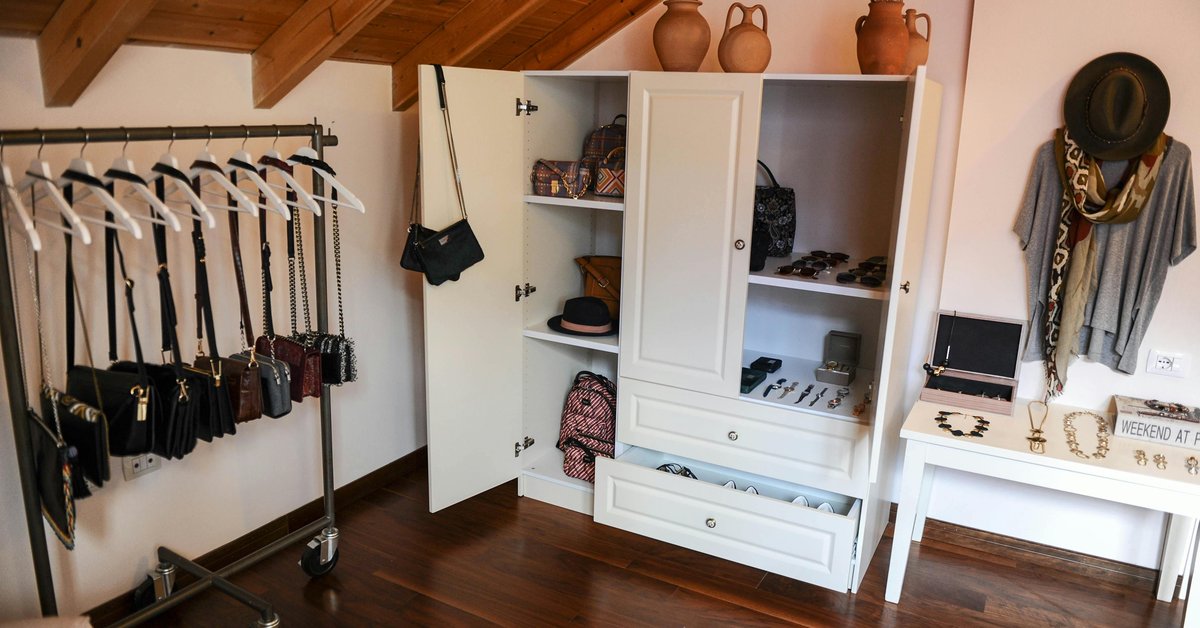
. For more ideas, check out 12 Contemporary Walk-In Closet Trends for.
Why Choose a Boho Walk-In Closet?
The appeal of a boho closet comes down to one thing: personality. Most modern closets lean on clean lines, neutral finishes, and minimal decoration. They look great in a catalog but often feel impersonal in real life. A boho approach flips that script.
Instead of sterile white shelving, you get warm wood tones and woven textures. Instead of a single pendant light, you get layered warmth from rattan lamps and string lights. The space becomes somewhere you actually want to spend time, not just a pass-through zone.
This style also works surprisingly well in tight spaces. You don’t need vaulted ceilings or custom cabinetry. A coat of earthy paint, a few well-placed plants, and some layered textiles can transform an ordinary spare room or large reach-in closet into a bohemian retreat. And if you’re renovating, it’s easy to build into the design. The flexibility is one of its biggest strengths.
Budget is another win. You can achieve a high-impact boho look without hiring a designer or buying expensive built-ins. Thrifted baskets, DIY shelving, and affordable plants go a long way when everything ties together with a thoughtful color scheme and a few key anchor pieces.
Choosing the Right Color Palette
Color is where most people either nail the boho look or miss it entirely. The trick is to start with earthy, grounded base tones and layer in deeper accent shades for contrast. Think warm terracotta, muted ochre, sage green, and soft cream. These create a calm foundation that feels natural and lived-in. For those just starting, a paint sampler set in earthy tones can help you test hues before committing.
For accent colors, go deeper. Deep indigo, rust, and burnt sienna work well here. Use them on an accent wall, in a patterned rug, or through cushion covers on a closet seat. The contrast keeps the space from feeling flat.
When choosing paint, opt for a matte or eggshell finish. Glossy finishes reflect too much light and can make a small closet feel busy. Brands like Farrow & Ball offer excellent earthy shades, but if you’re on a tighter budget, Behr and Sherwin-Williams both have solid options in the same color families. Grab a few sample pots before committing. Closet lighting can be weirdly warm or cool depending on the bulb, and a color that looks perfect in the store can look completely different under dim light.
If you want to go bold, consider a patterned wallpaper on one wall. A block print or subtle botanical pattern adds depth without overwhelming the space. Just keep the other three walls neutral to balance it out.
Incorporating Plants That Thrive Indoors
Not all plants are suitable for a closet. This is a mistake I see constantly. People buy a beautiful fiddle leaf fig, place it in their walk-in, and wonder why it drops leaves within a week. Closets have low light, limited airflow, and often dry air from clothing. You need plants that can handle that.
Here are four that work well:
- Snake plant. Nearly impossible to kill. Tolerates low light and irregular watering. It also purifies the air, which is a bonus in a small enclosed room.
- Pothos. This trailing vine is perfect for high shelves or on top of cabinetry. You can let it cascade down for a soft, organic look. It only needs water once a week or so.
- ZZ plant. Another low-light champion. Its waxy, dark green leaves add a nice texture contrast against woven baskets and wood tones.
- Cast iron plant. Exactly as tough as it sounds. It grows slowly and needs very little attention, making it ideal for a corner spot.
For planters, look for options that fit standard shelf depths. A 6-inch or 8-inch pot is usually ideal. Avoid overly wide pots that eat up walking space. Ceramic pots with drainage holes are best, but if you’re using them inside a woven basket liner, make sure the inner pot has a saucer. Water damage on closet floors is not charming.
If your closet has zero natural light, consider adding a small grow light. Clip-on models are cheap and barely noticeable when positioned above a snake plant or ZZ plant. Just set a timer so it runs for 6-8 hours a day. For consistent results, look into a clip-on grow light with a timer.
Avoid ferns and calatheas. They need high humidity and will look miserable within a month. Also skip anything prone to spider mites or fungus gnats. Pests in a closet full of clothes is a headache you do not want.
Mixing Patterns Without Overwhelming the Space
Pattern mixing is where boho truly comes alive. The trick is to follow a simple rule: stick to three pattern types and vary their scale. A common combination that works well is a geometric rug, a floral or botanical curtain, and striped storage baskets.
The reason this works is the scale difference. The rug has a large repeat pattern, the curtains use medium-sized motifs, and the baskets have thin, tight stripes. Each pattern occupies its own visual layer, so nothing fights for attention.
If you’re nervous about getting it wrong, start with a neutral base. Use a cream or sand-colored rug with a subtle geometric print. Add a block-print cushion on your seating. Then layer in a patterned basket set for your accessories. You can always add more as you get comfortable.
One common beginner mistake is choosing patterns that are all the same intensity. If your rug, curtains, and pillows all have high-contrast prints in bright colors, the room will feel chaotic no matter how carefully you arranged them. Instead, let one pattern dominate and use the others as supporting accents. For example, a bold kilim rug can anchor the room, while quieter patterns on curtains and cushion covers add texture without competing.
Look for patterned storage bins from brands like Stor or DecoBazaar. They make sturdy bins with woven textures and subtle prints that integrate well. A set of three in varied sizes is usually enough to store scarves, belts, and small handbags while adding to the overall aesthetic. You can search for patterned woven storage bins that match your color scheme.
Boho Storage Solutions: Baskets, Shelves, and Hooks
Storage in a boho closet needs to serve double duty. It has to be functional and organized, but it also has to contribute to the visual warmth of the space. Open shelving is your best friend here. It keeps everything visible while allowing you to display baskets, folded sweaters, and decorative objects in an intentional way.
Closed cabinets work if you have a lot of items you’d rather hide, but they can make a small closet feel heavy and dark. If you go this route, choose cabinets with natural wood finishes or woven fronts to keep the boho spirit alive.
For baskets, I learned this the hard way: don’t buy too many at once. When I first designed my own closet, I bought a dozen baskets thinking they would all fit perfectly. Some were too wide for the shelves, some were too shallow. Measure your shelf depth and height first, then buy one or two and test them. Once you confirm the fit, order the rest.
Woven baskets from brands like Nambé or Threshold are popular for a reason. They come in neutral tones that blend with most palettes. For a more natural look, seagrass or rattan baskets add texture. Just make sure they have handles for easy pulling if you store them on higher shelves.
For hooks, wooden or brass options are better than chrome or nickel. They feel warmer and match the boho aesthetic. Install a row of hooks behind the door for robes, bags, or frequently worn jackets. Macrame hangers are another great option for hanging delicate items or plants.
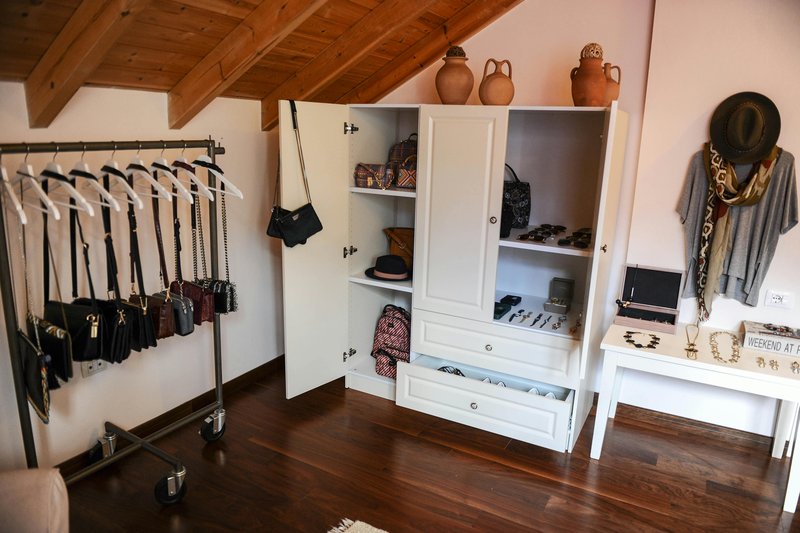
Lighting for Ambiance and Function
Lighting makes or breaks a boho walk-in closet. Many people default to a single overhead light, usually a flush-mount or basic ceiling fixture. That alone will never give you the soft, inviting glow you want. Layered lighting is the solution.
. If you’re interested in related upgrades, see our guide to How to Design a Hollywood Regency Walk-In Closet:.
Start with ambient lighting. A dimmable overhead fixture on a dimmer switch is ideal. This gives you bright light when you’re choosing outfits or packing a suitcase, and softer light when you’re winding down for the evening. A rattan or bamboo pendant lamp adds instant boho credibility. Warm color temperature is critical here. Stick to 2700K to 3000K. Anything above 3500K will look clinical.
Next, add task lighting. Under-shelf LED strips are perfect for illuminating specific zones like a shoe display or jewelry drawer. They’re cheap, easy to install, and make a huge difference in visibility. Look for adjustable brightness strips so you can dim them if needed. Many come with adhesive backing that lets you attach them directly to wood shelving.
Finally, accent lighting. A string of small warm fairy lights draped along a shelf edge or around a mirror adds a whimsical touch without feeling teenage. For a more refined look, a small ceramic or rattan table lamp on a dresser or shelf can do wonders. I personally recommend smart bulbs for any fixed fixtures. They let you change brightness and color temperature from your phone, which is surprisingly useful when you’re trying different outfits at different times of day.
The most common lighting mistake is choosing cool white. It makes even the best color palette look wrong and casts harsh shadows on your face. Avoid anything labeled ‘daylight’ or ‘cool white.’ Warm white is your only choice here.
Furniture and Seating That Fits the Vibe
Seating in a walk-in closet isn’t just for decoration. It’s for sitting down to tie shoes, fold a sweater, or just pause for a moment. But space is often tight, so you need to choose carefully.
Poufs and ottomans are the most practical options. They’re small, light, and easy to move around. A round woven pouf in neutral tones fits under a window or next to a shoe rack without blocking traffic flow. If you want something with a back, a small rattan bench works well. Look for widths under 36 inches to keep the room from feeling cramped.
For upholstery, textured linen, velvet, or even faux sheepskin works well with boho. Avoid shiny or synthetic materials that clash with the natural textures elsewhere. A velvet ottoman in rust or deep teal can serve as both seating and a visual anchor in a neutral closet.
Price points vary widely. Poufs can be found for under $60 at larger retailers, while handwoven pieces from specialty brands can run $200 or more. The decision comes down to how much use it will get. If it’s purely for occasional sitting, an affordable option is fine. If you plan to use it daily as a dressing seat, invest in something sturdier with better construction.
One tip: position your seating near a mirror or a small side table. It creates a natural dressing area focal point and makes the closet feel like a real room, not just storage.
Common Design Mistakes to Avoid
I’ve seen a lot of boho closets go wrong, usually due to a few predictable errors. Here’s what to watch out for:
Too many dark colors. A deep accent wall is great, but painting the entire room in charcoal or navy will make it feel like a cave. You need light and warmth to balance the dark tones. Stick to one dark wall or use darker shades only below chair rail height.
Forgetting ventilation for plants. Closets can get stuffy, especially if the door stays closed. Some plants can handle it, but most will struggle if airflow is poor. Crack the door occasionally or run a small fan for a few hours a day if you plan to have more than two plants.
Skipping organization for the sake of style. It’s easy to get carried away by aesthetics and buy baskets and boxes that look great but don’t actually help you stay organized. I’ve done it. Now I have a basket full of scarves that I can never find. Prioritize function first, then choose storage that fits the look.
Mismatched patterns. This is the biggest visual mistake beginners make. They pick a rug, curtains, pillows, and a wallpaper that all have different dominant patterns in similar sizes. The result is visual noise. Stick to the 3-pattern rule: one large-scale, one medium, and one small.
Over-accessorizing. More is not always better. A few well-chosen decorative objects are more effective than a shelf crowded with trinkets. Leave some empty space. It gives the eye a rest and makes the items you do display stand out more.
Budgeting for a Boho Closet Makeover
You can create a stunning boho closet on a modest budget. Here’s a realistic breakdown of typical costs:
- Paint: $50 to $100 for enough paint and supplies for one or two accent walls. A full room will cost more, but most closets are small enough that a gallon covers it.
- Shelving: $100 to $400 depending on whether you DIY or buy ready-made. Floating shelves from IKEA or Target are affordable and easy to mount. If you need more storage, consider adding a modular system like Elfa.
- Baskets: $30 to $150. A set of three medium woven baskets can be under $50. Add smaller ones for accessories as needed.
- Plants: $20 to $80. Snake plants and pothos are cheap. Larger ZZ plants cost more but last years.
- Lighting: $50 to $200. A rattan pendant runs around $50. LED strips are under $30. Smart bulbs add another $15 each.
For a low-budget version, focus on paint, one or two statement baskets, and a single large plant. Skip the seating and use a sturdy ottoman you already own. For a higher-budget version, invest in better shelving, multiple plants, a custom rattan light, and a quality pouf as the seating centerpiece.
One of the best ways to save money is to repurpose old furniture. Paint a wooden dresser in a warm terracotta or sage, swap the hardware for brass or wooden knobs, and it becomes a perfect boho piece.
Comparing Boho to Other Closet Styles
It helps to understand how boho stacks up against other closet styles so you can be sure it’s right for you.
Modern closets rely on clean lines, high-gloss finishes, and a limited color palette. They’re efficient and easy to keep organized, but they can feel cold and impersonal. If you prefer warmth and texture over minimalism, boho is a better fit.
Farmhouse closets emphasize rustic wood, shiplap, and farmhouse sinks. They are cozy but often feel too rustic or themed. Boho is more eclectic and can evolve over time as you add new pieces.
Glam closets are all about luxury: mirrored surfaces, crystal chandeliers, and plush velvet seating. They look impressive but are expensive to maintain and can feel outdated quickly. Boho is more forgiving of wear and tear and easier to update.
If you value comfort, personality, and a space that feels alive rather than perfectly staged, boho is the right choice. It also tends to be more budget-friendly and easier to customize to your taste.
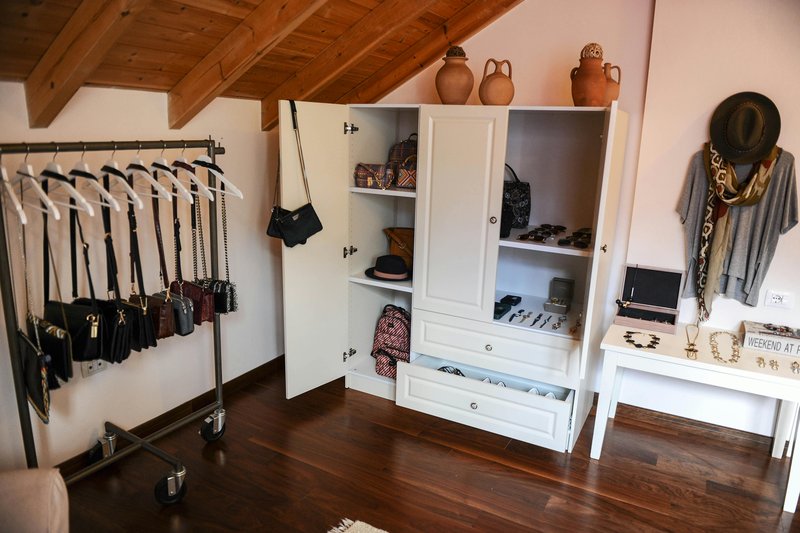
Final Checklist for Your Boho Walk-In Closet
Here’s a quick recap you can use as a reference when you’re ready to get started:
. If you’re interested in related upgrades, see our guide to Boho-Chic Walk-In Closet: Wicker, Rattan, and.
- Pick a warm, earthy color palette with one or two accent shades.
- Add 2 to 3 low-light plants in ceramic or woven planters.
- Layer patterns using the 3-pattern rule: large, medium, small.
- Choose functional storage that fits the aesthetic: baskets, open shelving, and natural hooks.
- Layer your lighting: dimmable overhead, under-shelf task lights, and warm accent fixtures.
- Avoid common mistakes like too many dark colors, poor ventilation for plants, and mismatched patterns.
- Keep your budget realistic: focus on paint, shelves, plants, and lighting. Secondary items can be thrifted.
Ready to get started? Explore woven baskets and storage that fit your boho vision.
Learn how to design a boho walk-in closet with earthy colors, layered patterns, and real plants. Practical tips, product picks, and mistakes to avoid.
Learn how to design a boho walk-in closet with earthy colors, layered patterns, and real plants. Practical tips, product picks, and mistakes to avoid.