French Country Walk-In Closet Inspiration: Design Ideas & Practical Tips
-
- 112

Introduction
When thinking about a walk-in closet, the default image is often sleek, modern, and minimalist. But there’s a warmer option that’s been getting more attention lately: the French country closet. It brings that relaxed, countryside feel into your homeâluxurious but also lived-in. If you’re researching renovation ideas, this isn’t just about looks. It’s about making a space that actually works for your daily routine while staying timeless. This article covers French country closet inspiration with a focus on practical elements like wood, hardware, and layout. We’ve pulled examples from real French country homes to give you a realistic sense of what works. Whether you’re planning a full custom build or a weekend refresh, this should help you make the important decisions.
What Defines a French Country Closet?
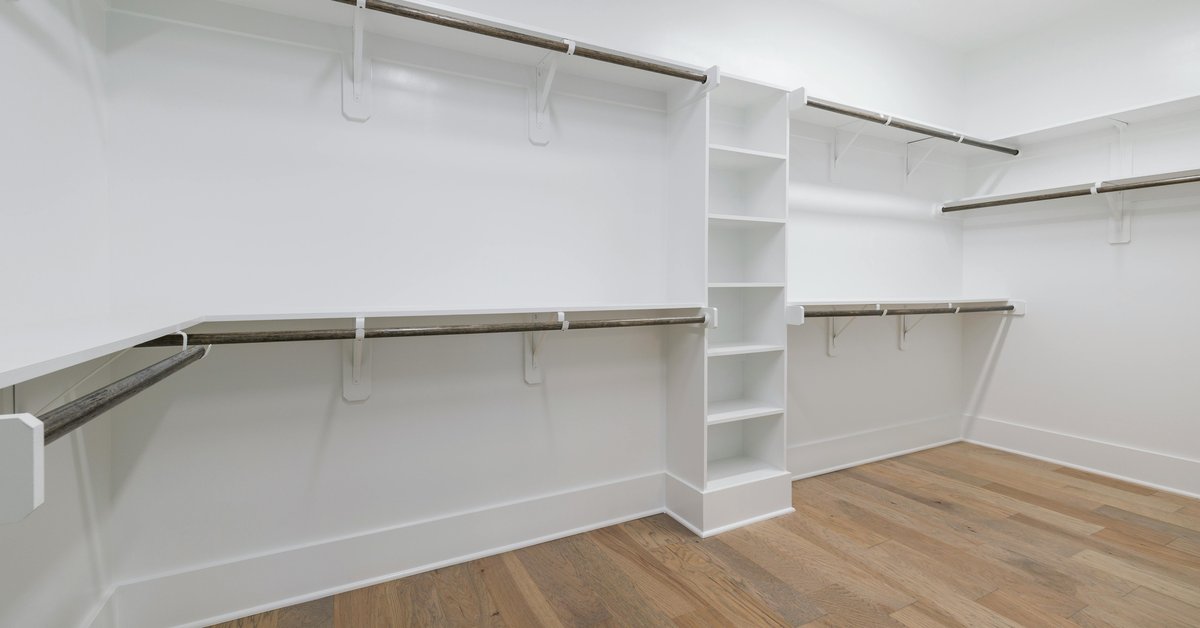
At its core, French country style is about embracing imperfection and warmth. It’s not sterile or polished. In a closet, that means a few specific things. You’ll see distressed wood finishesâoak, cherry, or reclaimed timber that shows its age and grain. Nothing glossy or uniform. Wrought iron hardware is a stapleâcabinet pulls, hooks, rods with that hand-forged, slightly irregular look. You won’t find sleek chrome or brushed nickel here. The color palette is soft and muted: cream, sage green, lavender, dusty blue. These shades create a calm backdrop for your clothing. It’s different from farmhouse style (more rustic and utilitarian) or modern (clean lines, minimal ornamentation). In a walk-in closet, these elements combine to feel like a curated boutique in an old stone farmhouse. It’s not about flashy display; it’s about a room where you feel comfortable and your belongings feel at home.
. If you’re interested in related upgrades, see our guide to How to Design a Hollywood Regency Walk-In Closet:.
Why Choose a French Country Look for a Walk-In?
Going French country isn’t just about liking the look. There are practical benefits. The timeless appeal is a big one. Unlike trends that fade, French country has a classic quality that ages well. If you sell your home, this style won’t look dated in five years. It also works with a wide range of home architecturesâcraftsman bungalows, ranches, even modern builds if you balance things right. Another advantage is mixing it with modern organization systems. You can install a sleek Elfa closet system inside a French country cabinet and no one will knowâthe beauty is in the shell. But there are tradeoffs. Wood finishes require more care. Distressed paint can chip further over time, which some love for authenticity but others see as maintenance. And quality wrought iron or antique-reproduction hardware isn’t cheap. This style works best if you appreciate character and are willing to invest in quality materials. It’s probably not ideal if you want a low-maintenance, wipe-clean closet. If you’re okay with some patina and a bit more upkeep, the payoff is a unique space.
Essential Materials and Finishes
Getting the materials right is the foundation of a successful French country closet. Here’s what to look for and what to avoid.
Wood Choices
Oak is the workhorse of French country design. It has a prominent grain that takes stain and distress well. Cherry wood offers a warmer, red undertone that darkens nicely over time. Reclaimed wood gives you instant character but can be harder to source and more expensive. Avoid poplar or pine for visible surfaces unless you’re painting them; their grain is too soft for a distressed finish that looks intentional.
Paint Finishes
Chalky, matte finishes are your friend. They absorb light and feel soft to the touch. They also distress wellâyou can sand edges to create a worn look. Avoid high-gloss or semi-gloss paint. They look too modern and highlight imperfections rather than embrace them. Brands like Annie Sloan or Fusion Mineral Paint work well for DIY chalk paint projects. For larger jobs, consider a professional spray finish with a matte or low-sheen lacquer for durability.
Hardware Materials
Wrought iron is the classic choice for a reason. It has a handcrafted feel. Look for pieces with visible hammer marks or subtle swirls. Brass is also an option, but choose unlacquered brass that will patina over time, not shiny polished brass. Oil-rubbed bronze is a good alternative if you want a darker tone. Avoid stainless steel, chrome, or nickel unless you’re using them in a very small accent. The biggest mistake here is mixing finishes without thought. Stick to one or two complementary metals. For a wide selection of quality hardware, you can browse French country cabinet hardware online for inspiration.
Sourcing and Durability
For wood, your local lumber yard is better than a big-box store for finding character and thickness. For hardware, look at specialty antique stores or online retailers like House of Antique Hardware or Van Dyke’s Restorers. Be prepared to pay more for quality wrought ironâit’s worth it. A common beginner mistake is using clear coat polyurethane on wood. It creates a plastic-like sheen that ruins the French country feel. Use a matte or satin wax instead.
Open Shelving vs. Cabinetry: Best for French Country?
This is a core decision that affects both the look and function of your closet. There’s no universal right answer, but understanding the tradeoffs helps you choose.
Open Shelving
Visually, open shelving is pure French country. It lets you display folded sweaters, handbags, and hats like a shop in Provence. It makes the space feel larger and more accessible. The downside is dust. Everything on an open shelf collects dust, so you’ll need to clean more often. Also, if your storage isn’t neat, it shows. Open shelving works best if you maintain a curated wardrobe and are willing to keep things tidy. It’s ideal for a secondary closet or for items you use daily.
Custom Cabinetry
Cabinets hide clutter and give you maximum storage density. You can hang long items, install pull-out drawers, and hide away out-of-season clothes. The French country look comes from the cabinet design itselfâpaneled doors, wrought iron hinges, and a nice wood or painted finish. The downside is cost and visual weight. Floor-to-ceiling cabinets can overwhelm a small space and make the room feel more enclosed. Custom cabinetry is best for a primary closet where you need to store a lot and want the space to feel like a furnished room.
Decision Tips
The best approach is often a mix. Use open shelving for a section of the closetâmaybe one wall or a central islandâfor display pieces. Use cabinets for the main storage. This gives you the aesthetic plus the practicality. For shelving brackets, look for wrought iron or wooden corbels. Avoid metal closet rods with shiny finishes. For cabinet hardware, reproduction French pulls are a solid choice. Modular closet systems like those from ClosetMaid or Rubbermaid can be adapted, but you’ll need to disguise the metal tracks with wood trim. If you’re adding open shelving, consider decorative wood shelving brackets to maintain the look.
Lighting that Complements the Aesthetic
Lighting is one of the most overlooked aspects of closet design, but it’s critical for both function and mood. In a French country closet, you want light that feels soft and inviting.
Fixture Styles
A wrought iron chandelier is a classic statement piece. Look for one with adjustable chains so you can place it at the right height. For a smaller closet, sconces with linen shades on either side of a mirror provide excellent task lighting. The linen softens the light and adds texture. Avoid plastic or acrylic shadesâthey look cheap and glare. Wrought iron candlestick wall lights are another good option.
Bulb Selection
This is where many people go wrong. Use warm LED bulbs (2700K-3000K). They mimic the glow of incandescent bulbs without the heat or energy waste. Avoid daylight bulbs (5000K). They are too harsh and will make even the nicest wood look washed out. Dimmers are highly recommended. They let you transition from bright dressing light to a softer evening ambiance.
Placement
Think about shadows. A single ceiling light creates harsh shadows on your face when you look in a mirror. Place sconces at eye level on either side of the mirror to eliminate this. If you have an island, consider a pendant light or a small chandelier above it. For long runs of cabinetry, add under-cabinet lighting. Use warm LED tape lights for this. The goal is to eliminate dark corners and spread light evenly throughout the space.
Layout and Zoning for a French Country Closet
Good layout is about making the space functional, not just beautiful. In a French country closet, the layout should feel organic, not forced.
Standard Dimensions
For a walk-in to feel comfortable, aim for at least 8 feet by 10 feet. This gives you room for a central island and two long walls of storage. Smaller spaces can work, but you’ll need to prioritize hanging over shelving and skip the island.
Zones
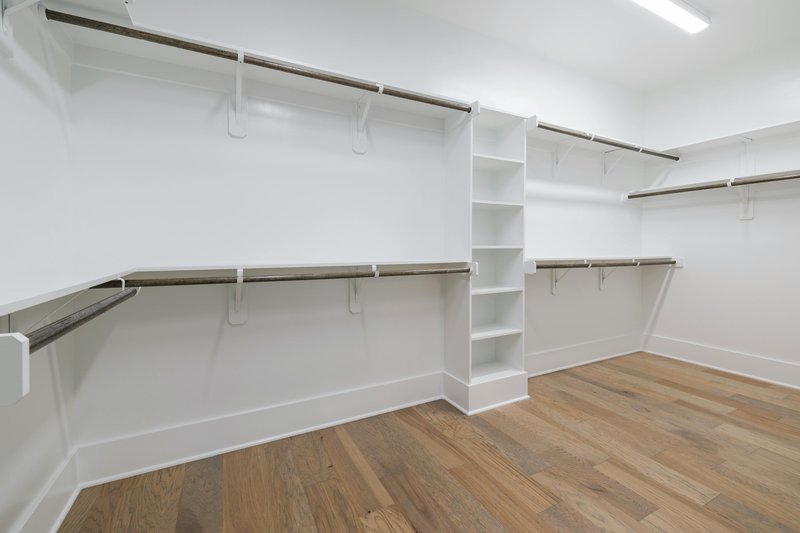
Divide your space into three zones: hanging, folded, and accessories. Hanging should be on one or two long walls. Use a double rod system for short items (shirts, jackets) and a single high rod for long items (dresses, coats). Folded items go on shelves or in drawers. A central island is ideal for folded clothes and drawers. Accessories like belts, scarves, and jewelry need their own area. Use a tall chest of drawers with shallow drawers or a dedicated jewelry armoire.
The Island
A central island is the crown jewel of a French country closet. It provides counter space for folding and a surface to display a tray of perfumes or a vase of dried lavender. The top should be woodâideally a butcher block or a plank top. Avoid marble or quartzâthey’re too cold and modern. If space is tight, a narrow console table against a wall can serve a similar function.
. If you’re interested in related upgrades, see our guide to Modern Parisian Chic Walk-In Closet Inspiration:.
Floor Plan
Think about flow. You want to be able to walk around the island with at least 3 feet of clearance on all sides. Place the hanging walls opposite each other. Put the island in the center. If you have a window, place a bench or a chair in front of it for a dressing seat. This layout feels generous and relaxed.
Accessories and Decor Details
This is where you add personality without cluttering the space. The French country aesthetic is about intentionality, not accumulation.
Mirrors
An antique or aged mirror with a carved wood frame is essential. It adds light and depth. Avoid frameless or sleek modern mirrors. Look for a floor-standing cheval glass or a large wall mirror with a distressed finish.
Storage Boxes and Baskets
Woven baskets in natural materials like seagrass or willow are perfect for holding scarves, belts, or out-of-season items. They add texture and keep things concealed. Look for vintage French linens and use them to line the baskets. Avoid plastic bins or acrylic organizers. Ceramic canisters with lids are great for holding jewelry or small accessories. For a coordinated look, search for natural seagrass storage baskets with lids that fit your shelf dimensions.
Hardware Details
Ceramic knobs are a lovely French country detail. Look for hand-painted ones with floral patterns or simple white with a crackle glaze. Use them on drawer fronts or for a special cabinet. Don’t over-decorate. One or two statement piecesâa nice mirror, a good vase, a collection of basketsâare more effective than filling every surface.
Common Mistakes When Designing a French Country Closet
Experience teaches you what not to do. Here are the pitfalls to avoid.
- Mixing too many wood tones: This is the number one mistake. Three or four different wood finishes create chaos. Stick to two complementary tones at most. For example, a dark oak cabinet with a lighter pine island.
- Using overly modern hardware: Sleek pulls and handles will completely break the aesthetic. Even if the rest is perfect, the wrong hardware kills the mood.
- Ignoring proper lighting: A single harsh ceiling light is not enough. It creates shadows and ruins the ambiance. Invest in layered lighting.
- Choosing impractical flooring: Shag carpet is a disaster. It traps dust and sheds fibers. Hardwood or stone tile is better. If you want softness, use a flat-weave wool rug that can be cleaned easily. A rustic kilim or a French Aubusson-style flat weave works well.
- Over-decorating with ‘themed’ items: Avoid generic ‘French country’ decor that feels like a catalog. A few quality antique pieces or well-chosen reproductions are better than a room full of potpourri and plastic lavender.
Avoiding these will save you time, money, and frustration.
Budgeting for Your French Country Walk-In
Costs vary wildly based on your choices. Here’s a realistic breakdown.
DIY vs. Professional
DIY is the most affordable route if you have woodworking skills. You can build shelving, install open shelving, and paint cabinets yourself. Expect to spend on materials (wood, hardware, paint) and tools. A DIY project for a small 8×10 closet might cost between $1,500 and $4,000. Professional installation or custom cabinetry is significantly more. A full custom build with cabinets, lighting, and installation can easily run from $8,000 to $20,000 or more. The tradeoff is speed and finish quality. Custom work looks polished and can include features like pull-out pants racks and hidden drawers.
Cost Breakdown
Materials are about 30-40% of the total. Hardware is another 10-15%. Lighting is 5-10%. Labor (if any) is 40-50%. For a more manageable budget, consider semi-custom systems. You can buy pre-built cabinet boxes and finish them yourself with paint and new hardware. This is a good middle ground.
Tradeoffs
The biggest tradeoff is between authenticity and budget. Solid wood cabinets are expensive but last decades. MDF with a wood veneer is cheaper but won’t distress the same way. If budget is tight, focus on the hardware and the paint finish. A good paint job and nice hardware can transform basic cabinets. Don’t skimp on the hardwareâit’s the jewelry of the room.
Best Products to Achieve the Look
When you’re ready to buy, focus on product categories that have a direct impact on the aesthetic. Here are the key items and what to look for.
Wood Shelving
Best for durability: Solid oak or cherry shelves, 1-inch thick, with a distressed stain. Best budget: Pine shelves painted with a matte chalk paint. Avoid cheap laminate. For brackets, choose wrought iron or wooden corbels.
Hanging Rods
Look for rods with vintage-style finials. Wooden rods with brass or iron ends are ideal. Avoid shiny chrome. Search Amazon for ‘vintage closet rod finials’ or ‘wrought iron closet rod.’
Storage Bins and Baskets
Best for display: Seagrass baskets with lids. Best for hidden storage: Woven willow baskets or antique-style linen-covered boxes. Look for sets that are uniform in color.
Hardware Sets
Best for durability: Solid brass or wrought iron cabinet pulls. Best for value: Oil-rubbed bronze over zinc. Ensure the finish is matte. Search for ‘French country cabinet hardware’ or ‘wrought iron cabinet knobs.’
Decorative Accents
A good quality antique-style mirror is a must. Look for one with a carved wood frame. A jewelry armoire with a distressed finish is both functional and decorative. Avoid plastic or shiny finishes.
Step-by-Step: From Inspiration to Installation
Here’s how to move from dreaming to doing. Follow these steps in order.
- Measure your space. Get exact dimensions of the room. Note window and door placements. Draw a simple floor plan on graph paper.
- Choose a wood tone. Decide if you want painted, stained, or a mix. Stick to one primary wood finish. Order samples and live with them for a few days.
- Select hardware. This is your anchor. Buy one sample knob or pull and see how it feels. Hold it against your wood sample.
- Plan lighting. Decide on your fixture type and location. Run electrical if needed before you start building. Install the junction boxes.
- Install shelving and rods. Build or install your storage system. Use a level. Ensure everything is sturdy. Paint or stain before you load it.
- Organize your items. Use boxes and baskets to corral small items. Hang clothes by category. Add your decorative accents last.
- Add the finishing touches. Install your mirror, place your baskets, and hang your art. Step back and make one small adjustment if needed.
Start with step one today. Even just measuring the space gets you moving.
. If you’re interested in related upgrades, see our guide to Scandinavian Walk-In Closet Design Inspiration: A.
Start Designing Your Dream French Country Closet Today
The French country closet is about more than just storage. It’s about creating a space that feels personal and inviting. You don’t need to do everything at once. Start with one element that will make the biggest impact. Swap out your modern hardware for wrought iron. Add a warm-toned light fixture. Paint a cabinet in a soft sage green. These small changes begin to shift the feel of the room. what matters is to make decisions that feel right for your home and your lifestyle. Use the steps and product recommendations in this guide as your starting point. You have the inspiration. Now it’s time to take action. Start designing your dream French country closet today. Your clothesâand your morning routineâwill thank you.
Explore classic French country closet design ideas with practical tips on materials, lighting, and layout. Get inspired to create your dream walk-in.
Explore classic French country closet design ideas with practical tips on materials, lighting, and layout. Get inspired to create your dream walk-in.