12 Contemporary Walk-In Closet Trends for Homeowners
-
- 118

What Defines a Contemporary Walk-In Closet Today
A contemporary walk-in closet isn’t just about storage anymore. It’s become a space you actually want to spend time in—one that balances daily function with personal style. I’ve worked on several closet renovations and helped homeowners figure out their layouts. The best designs aren’t about magazine-perfect looks. They’re about creating something that works for how you actually live. This article covers the trends that matter for homeowners planning a renovation or building a new home. The advice comes from real installations and practical experience, not just showroom displays. You’ll learn what works, what doesn’t, and where your money is best spent.
1. Open Shelving vs. Closed Cabinetry: Finding the Right Balance
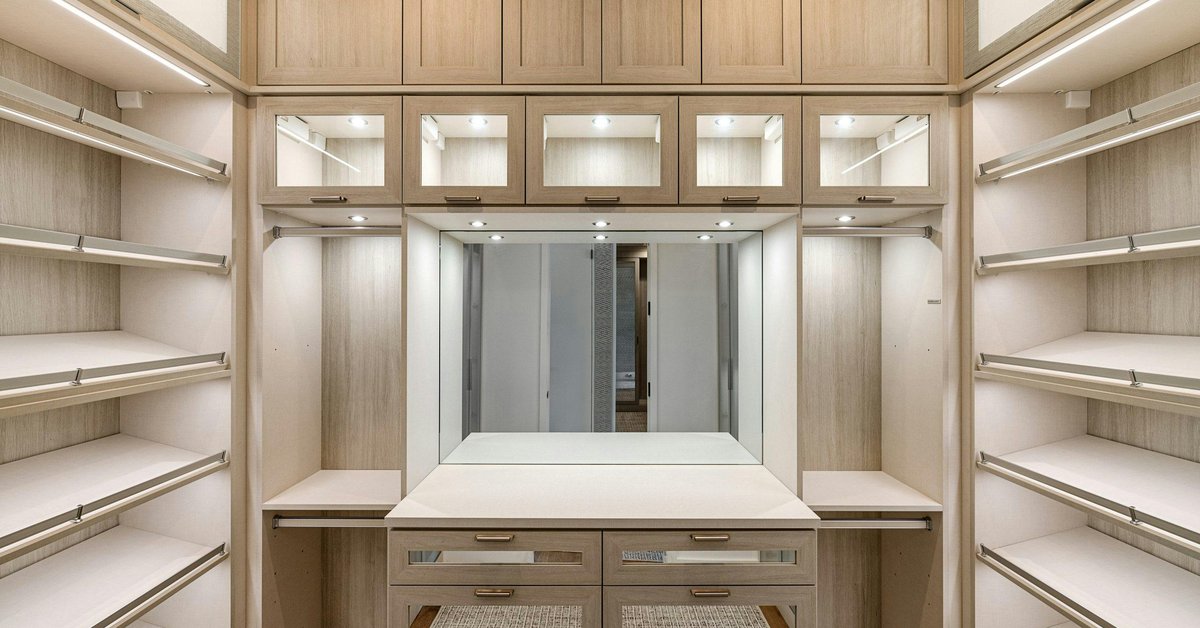
One of the first decisions you’ll face is how much open shelving versus closed cabinetry to include. Open shelving looks fantastic in photos and is very trendy right now. It displays your belongings like a retail store and can make a small space feel larger by keeping sightlines clear. The catch is that open shelving requires constant tidying. If you don’t fold every shirt to perfection or you have items in varying colors and patterns, open shelves will quickly look cluttered.
. For more ideas, check out Glamorous Walk-In Closet with Crystal.
Closed cabinetry hides all of that. It keeps dust off your clothes and creates a calm, clean visual. The tradeoff is that it can make the room feel more enclosed and costs more to install. For most homeowners, a 60/40 split works well—about 60 percent closed storage and 40 percent open shelving. Use open shelves for items you want to see and access daily, like handbags, frequently worn shoes, or folded sweaters in a single color palette. Use closed cabinetry for everything else.
When shopping for products, look for modular shelving units that allow you to adjust shelf heights as your needs change. Soft-close drawer organizers are another worthwhile investment. They prevent the slamming that happens with cheaper hardware and make the closet feel much more premium. If you’re looking for a starting point, consider a modular system with a mix of open cubbies and closed drawers.
2. The Rise of Mixed Materials: Wood, Metal, and Glass Combinations
Contemporary closets are moving away from single-material designs. Mixing materials adds visual interest without feeling too trendy. Common combinations include warm oak or walnut cabinetry paired with black metal frames. Frosted glass doors are another popular choice because they offer a softer look than clear glass while still breaking up solid wood panels.
From my experience working with clients, the most common struggle is matching finishes. People pick a beautiful wood and a sleek metal handle, but don’t realize until installed that the undertones clash. Start with a neutral base—white or light gray—and then introduce no more than two accent materials. For example, white shaker cabinets with matte black metal handles and a single floating shelf in natural oak. That combination is clean, timeless, and easy to source.
Product-wise, metal hanging rods are a simple upgrade that makes a big difference. They’re more durable than plastic or wood rods and they look modern. Glass-front shoe cabinets are another strong addition. They keep your shoes visible and protected from dust, and the glass reflects light, which helps brighten the space. If you’re drawn to a mixed-material look, start with the base and add accents slowly. For those looking to upgrade, metal closet hanging rods are a practical and stylish choice.
3. Integrated Lighting: Beyond Basic Overhead Fixtures
Lighting is one of the most overlooked aspects of a walk-in closet. A single overhead fixture creates shadows and makes it hard to see colors accurately when getting dressed. Contemporary closet design now incorporates three layers of lighting. The first is ambient lighting, which comes from recessed ceiling lights and provides general illumination. The second is task lighting, which includes LED strips underneath shelves or inside drawers to light up specific zones. The third is accent lighting, like a small spotlight above a jewelry display or a feature piece of clothing.
A common mistake is installing very bright, cool-toned LEDs with a color temperature of 5000K or higher. These lights wash out skin tones and make your clothes look different than they will in natural light. Warm dimmable LEDs in the 2700K to 3000K range are much better for a closet. They create a comfortable ambiance and give you accurate color representation.
If you’re retrofitting an existing closet, battery-operated puck lights are a practical solution. They’re easy to install, require no wiring, and can be mounted under shelves or inside cabinets. Look for ones with motion sensors so the lights turn on automatically when you open a drawer. For new builds or major renovations, plan your lighting layout before the drywall goes up. Recessed lights centered over each zone, plus a dedicated switch for dimming, will give you the most flexibility. For an easy retrofit, battery-operated motion sensor puck lights are worth considering.
4. Maximizing Vertical Space with Floor-to-Ceiling Storage
Most closets have unused vertical space. Standard rods are often installed at the same height throughout the room, which wastes the area above and below. Contemporary designs make full use of the ceiling height. Floor-to-ceiling cabinets and adjustable rods let you store everything from long dresses to floor-length coats without wasting an inch.
High shelves are ideal for off-season items like heavy sweaters, boots, and holiday decorations. what matters is to make those shelves accessible. A pull-down hanging rod system brings a high rod down to your level when you need it. For shelves that are too high to reach comfortably, a sturdy step stool is a far better solution than keeping a flimsy plastic stool that wobbles. A small rolling ladder works well in larger closets, but for most standard sizes, a compact wooden step stool that folds flat is more practical.
The mistake I see most often is not planning for accessibility at all. Homeowners install beautiful high shelving but then realize they can’t reach it without climbing on top of furniture. Measure the height of your ceiling and plan for a pull-down rod or a reliable step stool before you finalize the layout. This is one of those details that makes a big difference in daily use.
5. The Return of the Vanity and Seating Area
Many contemporary walk-in closets now include a small vanity or a seating nook. This is a luxury feature, not a necessity. If you have a large enough footprint and you appreciate having a dedicated space to apply makeup or style your hair without taking over the bathroom, a vanity adds real convenience. For homeowners who value a calm morning routine, this makes sense.
If your closet is smaller, you don’t need a full vanity. A bench with hidden storage serves double duty. You can sit to put on shoes and use the interior for storing accessories or off-season items. Another option is a small desk that doubles as a packing station. I’ve seen this work especially well in closets that are attached to the master suite. The desk gives you a surface for folding clothes or organizing items for a trip.
When choosing seating, look for pieces that are functional. A cushioned bench with a lift-up lid offers hidden storage. A vanity stool should be the right height for your counter and have a gentle slope so it doesn’t cut into your legs. Avoid oversized seating that eats up floor space. Keep the footprint compact so the room still feels open and functional.
6. Neutral Color Palettes with Bold Accent Walls
Neutral colors remain dominant in contemporary closets for a good reason. White, beige, and light gray make the space feel larger and brighter. They also don’t compete with your clothing. Open a closet painted in a strong color, and it can create a jarring visual clash with the clothes hanging nearby.
If you want personality, add it with a single accent wall. This could be a wallpaper with a subtle pattern, a section of shiplap or paneling, or a stripe of deep green or navy. The accent wall should be focused on one area, like behind a vanity or on the wall opposite the door. It adds visual interest without overwhelming the room.
. For more ideas, check out Bohemian Walk-In Closet: Color, Plants, and.
I strongly caution against painting the entire closet a dark color unless the room is very large and well-lit. Dark walls absorb light, making the space feel smaller and more cramped. In a small closet, dark walls also make it harder to see your clothes clearly. If you love dark hues, keep them to one wall and use light colors for the rest. Peel-and-stick wallpaper is a great option if you’re renting or want to change the look easily in a few years. There are many good patterns that are easy to apply and remove without damaging the paint underneath.
7. Smart Storage Solutions: Drawers, Dividers, and Custom Inserts
A beautiful closet is useless if you can’t find anything. Smart storage solutions are what make a closet truly functional. Drawer dividers keep socks, ties, belts, and underwear separated so you don’t have to rummage through a pile. Pull-out tie and belt racks are effective for keeping accessories organized and visible. Modular insert systems allow you to reconfigure your storage as your needs change.
The most common mistake I see is buying generic organizers that don’t fit your drawer dimensions. A set of dividers that is too short slides around inside the drawer and defeats the purpose. Always measure the interior length, width, and depth of your drawers before purchasing anything. Standard drawer sizes vary, so look for adjustable dividers that expand to fit your specific measurements. Adjustable drawer dividers are a practical solution for keeping everything in its place.
For jewelry, choose organizers with dedicated compartments for rings, earrings, and watches. A felt-lined tray keeps delicate items from scratching. For items you use less frequently, consider a deeper tray with a lid to keep dust away. When you’re shopping, look for kits that include multiple pieces so you can customize each drawer individually. Quality plastic or bamboo organizers hold up better over time than cardboard or foam alternatives.
8. Flooring Choices: Durability Meets Style
The floor of your walk-in closet sees a lot of traffic. It also needs to handle occasional spills from water bottles or shoe cleaning products. The three most common options for contemporary closets are luxury vinyl plank (LVP), engineered wood, and tile. Each has tradeoffs.
Luxury vinyl plank is my top recommendation for most homeowners. It’s highly durable, water-resistant, and easy to clean. It also comes in many styles that mimic real wood and stone, so you don’t have to sacrifice aesthetics. The downside is that it doesn’t feel as warm underfoot as real wood, but this is a minor issue for a closet that is usually carpeted or accessorized.
Engineered wood offers a warmer, more natural look and feel. It’s also easier on the legs if you spend a lot of time standing in the closet. The tradeoff is that it requires more care. Spills need to be wiped up quickly, and it’s more susceptible to scratches from shoes and falling items. It’s a good option for closets in dry climates or second-floor rooms where moisture is not a concern.
Tile is sleek and cool, which can look very modern. It’s also extremely durable and easy to clean. The problem is that it’s cold underfoot, especially in winter. If you choose tile, plan to add a large rug or runner for comfort. A non-slip rug pad is essential to keep the rug from sliding on the hard surface. This is a small investment that makes a big difference in safety and comfort.
9. Mistakes to Avoid When Planning a Contemporary Closet
Over the years, I’ve made or witnessed several recurring mistakes that can turn a dream closet into a daily frustration. Knowing them ahead of time can save you a lot of money and hassle.
Not allowing enough clearance for doors and drawers. This is the most common and most expensive mistake. If you don’t leave enough space for cabinet doors to swing open or drawers to slide out fully, you’ll end up with a layout that is unusable. Always account for the swing radius of each door and the full extension of each drawer. Measure twice, build once.
Skimping on lighting. As I mentioned earlier, lighting is critical. A single overhead fixture creates shadows and makes it hard to find items. Invest in layered lighting from the start. It’s much harder to add it later.
Choosing form over function. All-glass shelves look beautiful in a showroom, but in a real home, they show every fingerprint, piece of dust, and fallen thread. Solid shelves or frosted glass are more practical for daily use. Think about how the materials will look after a week of actual use, not just on installation day.
Forgetting to plan for shoe storage. Shoes are often an afterthought. If you don’t designate a specific zone for them, they end up all over the floor. Built-in shoe shelves, angled racks, or hanging pockets are all better options than stacking shoe boxes on a shelf.
Not thinking about future needs. Your clothing and storage requirements will change over time. Adjustable shelving, modular systems, and convertible hanging rods allow you to reconfigure the space as your needs evolve. Avoid building something so custom that it can’t be adjusted in five years.
10. Is a Contemporary Walk-In Closet Worth the Investment?
The answer depends on your situation. A well-designed walk-in closet can increase your home’s resale value, but only if it matches the neighborhood standard. In an entry-level home, a high-end closet may not return its cost. In a luxury home or a desirable neighborhood, it can be a strong selling point.
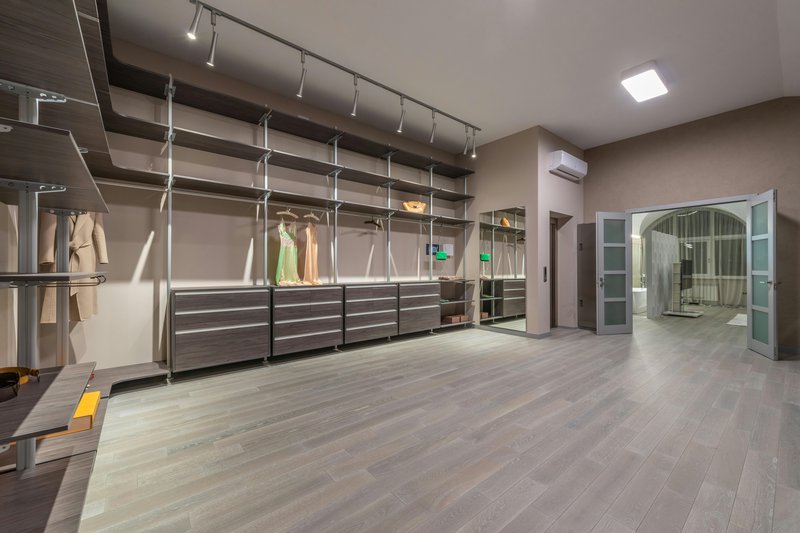
For budgeting, there is a wide range. A DIY approach using modular shelving and stock cabinets can cost a few thousand dollars. A semi-custom design using a local cabinet shop runs between five and ten thousand. A fully custom build with premium materials and integrated lighting can exceed twenty thousand. The best approach for most homeowners is to spend more on function and materials than on unnecessary frills.
If you plan to stay in your home for five years or more, a contemporary walk-in closet is usually a good investment. It adds daily convenience and enjoyment. If you’re on a tight budget and have more pressing home repairs, it’s better to address those first. The closet can wait until your finances are in order. Ready to explore your options? Start by defining your storage needs and working with a designer or cabinet maker who understands modern layouts. A good plan is worth far more than expensive materials slapped together.
. If you’re interested in related upgrades, see our guide to How to Design a Hollywood Regency Walk-In Closet:.
Final Thoughts
The best contemporary walk-in closet is one that balances aesthetics with daily usability. Trends like open shelving, mixed materials, and integrated lighting are all useful, but the real win is creating a space that makes your mornings smoother and your belongings easier to access. Focus on what you need first, then let the trends serve those needs. A closet that works for your lifestyle will always look better than one that follows a trend but frustrates you every day.
Explore the top contemporary walk-in closet trends for homeowners. Get practical design tips, material choices, and expert advice to build your dream space.
Explore the top contemporary walk-in closet trends for homeowners. Get practical design tips, material choices, and expert advice to build your dream space.