Walk-In Closet Cost Breakdown: Real-World Pricing
Introduction
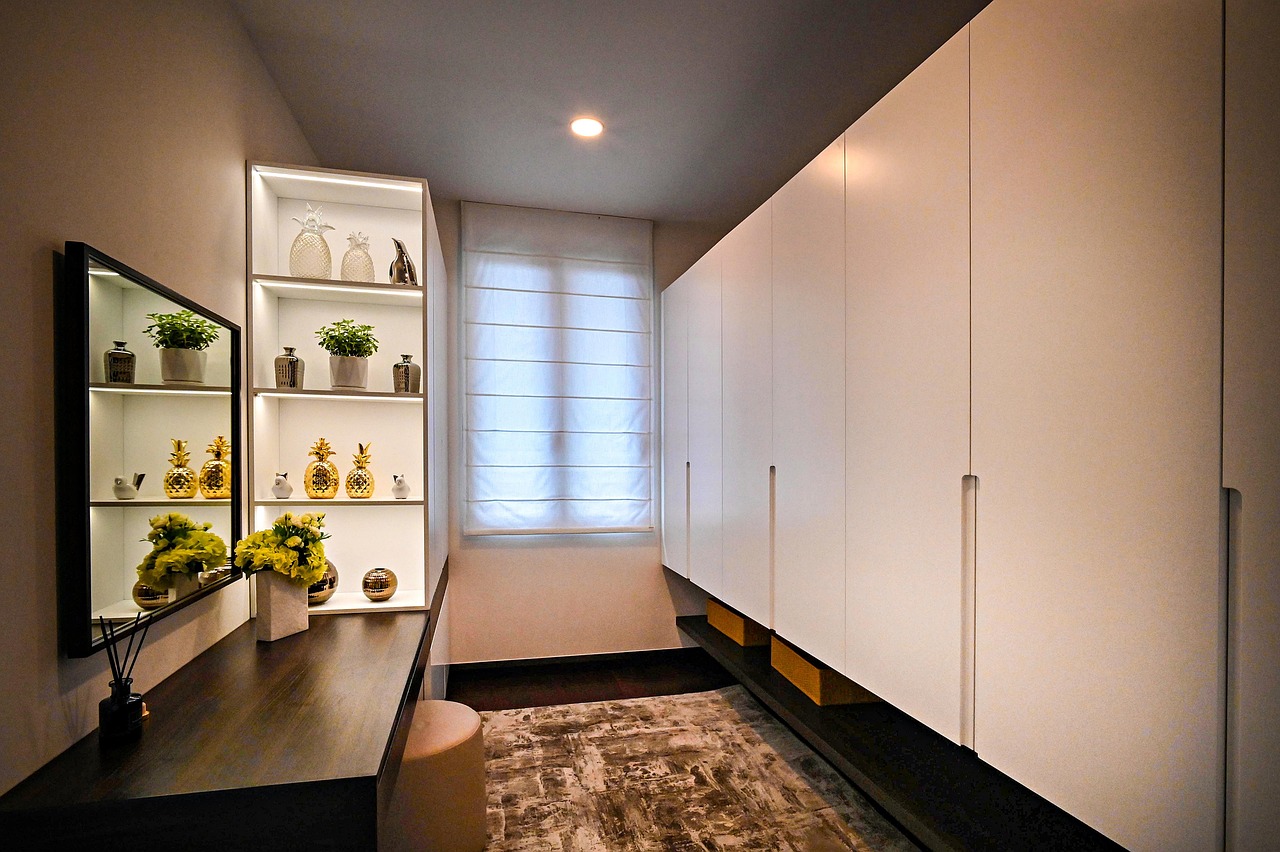
A walk-in closet is more than just storage. It’s a space that can actually make getting ready in the morning feel less hectic. But figuring out what it costs can be frustrating. The walk-in closet cost ranges from a few hundred bucks for a basic wire setup to well over twenty thousand for a fully custom build.
That spread is wide enough to leave you guessing. This guide breaks down those numbers by project type, material, and labor so you can compare options without the guesswork. Whether you’re planning a weekend DIY project or bringing in a carpenter, the examples here come from real installations and industry averages. You’ll get a realistic view of where your money ends up and which tradeoffs actually matter.

What Drives the Cost of a Walk-In Closet?
Before you start shopping, it helps to know what determines the final price. Closet costs aren’t random. A handful of variables drive the bill, and most of them are things you can control.
Size of the space is the obvious one. A 5×8 closet costs less to fill than a 10×12 room because you need fewer materials. But layout matters too. Odd angles, sloped ceilings, or tight corners require custom cuts that add labor time and material waste.
Material quality is the next big factor. Wire shelving from the home center runs about $10 per linear foot. Solid wood drawers with soft-close hardware can push past $200 each. The material you choose affects not just the look but also how long it holds up and how easy it is to install.
Cabinetry vs. modular systems changes the price dramatically. Prefabricated modular units made of laminate or wire are designed for DIY installation. Custom cabinetry is built to your exact dimensions and installed by pros. That labor alone adds $500 to $3,000 depending on complexity.
Hardware and accessories add up faster than most people realize. Pull-out tie racks, valet rods, jewelry drawers, and shoe shelves each cost between $15 and $150. A handful of these per section can turn a simple setup into a serious expense. For homeowners looking to add these features, you can browse closet organization accessories on Amazon to see what’s available and compare prices.
Lighting gets overlooked a lot. Simple LED strip kits cost under $50, but recessed lighting with dimmers and motion sensors adds several hundred. If your closet has no existing overhead light, you’ll need an electrician for that too.
Finishing touches like crown molding, paint, or new flooring sit outside the closet system itself but still affect the total project cost. These are easy to underestimate if you’re focused only on the shelving quote.
Average Walk-In Closet Cost by Project Type
The most useful way to think about pricing is by project tier. Each tier corresponds to a specific material type and installation method. Here’s a realistic breakdown based on standard closet sizes.
| Tier | Typical Cost | Materials | Installation | What You Get |
|---|---|---|---|---|
| Budget | $500 – $1,500 | Wire shelving, basic hanging rods | DIY | Standard double hang, one shelf above, basic shoe rack; suited for a 5×8 closet |
| Mid-Range | $2,000 – $6,000 | Laminate panels, melamine drawers | Semi-custom or pro install | Adjustable shelving, multiple hanging sections, built-in drawers, crown molding; 6×8 or 7×9 space |
| Custom | $6,000 – $20,000+ | Solid wood, soft-close hardware | Full professional | Built-to-measure cabinetry, island or seating, specialty lighting, premium finishes; any size over 9×11 |
A budget tier project using wire shelving works fine for a starter home or rental. You can install it in an afternoon with basic tools. Just don’t expect it to hold heavy bags or last more than a few years without sagging.
Mid-range projects are where most homeowners land. Laminate systems look clean, hold weight well, and come in modular kits that can be configured for odd layouts. Professional installation adds $300 to $800 but saves the headache of measuring and cutting panels.
Custom builds are a real investment. They involve on-site measurements, CAD drawings, and custom finishing. If your closet has angled ceilings or you want a center island with drawers and a marble top, this is the only realistic option.

Detailed Cost Breakdown: Materials and Labor
Here’s what individual components cost based on typical project data from home improvement retailers and contractor estimates.
Shelving: Expect $10 to $50 per linear foot. Wire shelving hits the low end, melamine laminate sits in the middle, and solid wood with finished edges is at the top. For an average 8-foot wall, that’s $80 to $400 per run. Those working with a laminate system may want to explore laminate closet shelving options on Amazon for a range of prices and configurations.
Hanging rods: Basic chrome rods cost $5 to $15 each. Heavy-duty brass or nickel rods can run $30. You typically need two per wall section for double-hang layouts.
Drawers: A standard melamine drawer with metal slides is $30 to $60. A full-extension soft-close wood drawer starts at $80 and goes up to $200 for premium finishes. If you have a bank of eight drawers, this line item alone can hit $1,000.
Custom cabinetry: Professionally built cabinets range from $100 to $500 per linear foot. A 10-foot run of base cabinets with doors and hardware costs around $2,500 at the low end.
Countertops: If your closet includes a countertop over built-in dressers, expect $200 to $1,000 depending on material. Laminate is cheapest, quartz is mid-range, and granite sits higher.
Lighting: LED strip kits for under-shelf lighting run $50 to $150. Recessed ceiling cans with a dimmer switch add $200 to $400 if you need an electrician to run new wiring. Motion-sensor upgrades push it a bit higher. For those considering a lighting upgrade, check out closet LED lighting on Amazon for various kits and pricing.
Labor: For a semi-custom installation, labor ranges from $500 to $1,500. Full custom builds require more time and skill, with labor running $1,500 to $3,000. That figure covers assembly, wall mounting, leveling, and cleanup.
DIY vs. Professional Installation: What Actually Saves You Money?
DIY installation sounds like an obvious way to cut costs. But the math isn’t always in your favor.
If you’re installing a basic wire system, DIY saves you $200 to $400 in labor with minimal risk. The instructions are simple. Tools needed are a stud finder, level, drill, and screwdriver. A Saturday afternoon is enough to finish a 5×8 closet.
For laminate systems, the DIY route is trickier. Panels need precise cutting. Wall-mounted tracks must be dead level. A mistake with a wall anchor can mean a section falls off the wall. If you have to buy a circular saw, miter box, and clamps, you’ve added $100 to $200 to your tool cost. If you mess up a panel, you’re buying a replacement. In that case, DIY savings shrink to near zero.
Full custom builds should never be a DIY project unless you have professional carpentry experience. The complexity of base cabinetry, face frames, and drawer systems requires joinery skill that hobbyists rarely have. Most people who try end up calling a contractor to fix the mistakes, which costs more than paying for the install in the first place.
Labor rates vary. A general handyman charges $30 to $60 per hour. A finish carpenter or closet specialist charges $60 to $100 per hour. For a standard laminate closet, a handyman can do the job in 8 to 12 hours. A custom build can take a carpenter 30 to 50 hours.
The rule of thumb is this: if the system is modular and the instructions are clear, DIY makes sense below $5,000. Above that, paying for professional installation protects your investment.
Hidden Costs Most Homeowners Miss
These expenses don’t show up on the closet system quote, but they hit your wallet just the same.
Demolition: If you’re replacing an existing closet system, you’ll pay $200 to $800 for removal and disposal. That includes pulling out old wire shelving, patching holes, and patching the drywall.
Electrical work: Adding a ceiling light or new outlets costs $200 to $600 depending on whether the wiring is already roughed in. If your closet is a renovated attic space with no existing light, expect to pay more.
Flooring: Many walk-ins have the same carpet or builder-grade vinyl as the bedroom. Upgrading to hardwood or tile runs $300 to $1,000 for an 8×10 space. Don’t install new shelving before the flooring is done. It creates problems later.
Painting: Fresh paint is often needed after demolition or once you can see the walls behind the old system. A two-coat paint job for an 8×8 closet costs $200 to $500 if you hire it out.
Permit fees: Some municipalities require a permit for electrical work or structural changes. Count on $50 to $200. It’s rare but worth checking before you start.
Waste disposal: Dumpster rental or bag pickup for old materials runs $100 to $300. If you’re driving it to the landfill yourself, factor in your time and gas.
Walk-In Closet Cost by System Type: Wire, Laminate, Wood, and Metal
Your choice of system material affects everything from appearance to price per linear foot.
Wire systems like Elfa or Rubbermaid cost $10 to $20 per linear foot. They’re lightweight, easy to install, and allow air circulation. They don’t look elegant. They can sag under heavy sweaters or stacked jeans. Best for budget builds, rentals, or utility closets where aesthetics don’t matter.
Laminate systems like ClosetMaid or EasyTrack cost $20 to $60 per linear foot. They offer a clean modern look with adjustable shelving. Most use a track-and-bracket system that requires careful measuring but is still DIY-friendly. This is the sweet spot for value. Mid-range installations almost always use laminate.
Solid wood systems cost $60 to $150+ per linear foot. These can be prefabricated or fully custom. They resist sagging, hold high weight, and look built-in. Veneer plywood with hardwood face frames is common. Expect to pay a premium for drawer boxes and soft-close slides. This is for homeowners who plan to stay in the house for a decade or more.
Metal systems like heavy-duty rack shelving from brands like Vidmar or Lista are industrial in style. They run $30 to $80 per linear foot. They’re extremely strong, hold tools or boots without issue, and look out of place in most bedrooms. These are niche choices unless you want a garage-workshop aesthetic in your closet.

How to Get Accurate Quotes From Installers
Getting a useful quote means coming prepared. You’re not just calling and asking for a price. Here’s the process.
First, measure the space yourself. Draw a simple floor plan with dimensions of each wall. Mark window and door locations. Note ceiling height. This gives the installer something to work with before they visit. They respect a homeowner who shows up with a drawing.
Decide on a layout beforehand. Know if you want double hang, single hang, long storage, or drawers. Don’t expect the installer to guess what you need. If you aren’t sure, use a free closet design tool online. Many manufacturers offer them. You can generate a layout and a materials list. The installer can give you better pricing based on that layout.
Ask what materials are included in the quote. Some installers quote only labor. Others include panels and hardware. A low quote might mean you’re paying extra for the back panel or the drawer fronts. Get an itemized breakdown.
Get three estimates minimum, and don’t automatically pick the cheapest. Low-ball pricing often means short cuts in assembly quality or inferior fasteners. Watch for a quote that’s 30% lower than the other two. That’s usually a red flag for hidden extras.
Checklist for installer quotes:
- Do they include all hardware, brackets, and anchor systems?
- Is painting or touch-up included?
- Are they responsible for disposal of old materials?
- Is the price valid for 30 days?
- Do they provide a written contract with scope of work?
Ways to Reduce Your Walk-In Closet Cost Without Sacrificing Quality
You don’t have to pay full retail to get a closet that functions well. These strategies cut real dollars without degrading the final result.
Buy open-box or clearance shelving. Home improvement stores often return laminate panels or drawer systems that have minor cosmetic damage. The shelving itself is fine, but the packaging is torn. You can save 30 to 50% off retail. Check the clearance end cap at Lowe’s or the back room at Home Depot.
Install it yourself. As noted, this makes sense for wire and simple laminate systems. The labor savings of $300 to $800 can fund better drawer hardware or an extra cabinet.
Mix and match materials. Use laminate panels for the main run of shelving and buy custom wood drawer fronts for the lower section. The areas you touch most get premium material. The sections that hold folded jeans out of sight get the budget option. This approach cuts cost by 20% while maintaining a premium feel.
Skip unnecessary accessories. Valet rods, pull-down bars, and specialized tie racks look convenient but add $30 to $100 each. Most people stop using them after the first month. Spend that money on better lighting instead.
Repurpose existing furniture. If you already have a dresser that fits the space, incorporate it into the design. Build shelves around it. You save the cost of new drawer units and keep a piece you already like.
Buy everything at once. Avoid placing separate orders for shelving and hardware. Combine shipping. One larger order often qualifies for free shipping from online retailers. It also prevents color mismatches between production runs.
Common Mistakes That Inflate the Final Bill
These mistakes happen on nearly every first-time closet project. Knowing them in advance saves hundreds of dollars.
Buying cheap wire systems that sag. Wire shelving is fine for lightweight items, but it can sag visibly under the weight of heavy sweaters, denim, or stacked handbags. That means replacement within a year. You don’t save money by buying a $300 wire system if you replace it with a laminate system a year later. Spend a bit more upfront to avoid double spending.
Forgetting ventilation for closed doors. If your closet has a door that closes completely, you need air circulation. Otherwise, clothing can develop a musty smell, especially in humid climates. Installing a louvered door or a small exhaust fan adds $100 to $300 after the project is done. Plan for it before the shelving goes up.
Underestimating labor for odd angles. A closet with a sloping ceiling or a corner with a support column costs more to fit. Installers charge by the hour, and these corners eat time. If you have an irregular space, ask the installer for a specific quote on that section rather than a blanket rate.
Over-ordering materials. It’s easy to order extra shelving because you want to be safe. That leads to unused panels and wasted money. Most standard systems are available for quick reorder if you miscalculate. Measure twice, order once.
Skipping samples. The color in the brochure doesn’t match the color in your closet when the wall paint hits it. Order a sample panel for $5 before buying an entire closet system. That small expense prevents a costly mismatch that you’ll stare at every morning.
Is a Custom Walk-In Closet Worth the Investment?
Custom closets get a lot of attention in home renovation media. But they aren’t the right choice for everyone. Here’s how to decide.
Custom closets are worth the money if you have a space with unusual dimensions that standard shelving can’t fit. They also make sense if you want a furniture-quality finish that integrates with the rest of your home. For homeowners planning to stay in the house for more than five years, custom builds offer a long-term return in daily utility.
From a resale perspective, a well-designed custom closet can recoup 50 to 70 percent of its cost when you sell. That number varies by market. In high-end suburban neighborhoods where buyers expect luxury features, the recovery rate is higher. In starter-home neighborhoods, the same investment may not add significant value.
Modular systems are a better fit if your budget is under $5,000 or if you plan to move within three years. They look good, function well, and cost a fraction of custom work. You don’t need to spend fifteen thousand dollars to get an organized walk-in closet.
The tipping point is about $8,000. Below that, modular systems offer better value per dollar. Above that, the craftsmanship of a custom build becomes noticeable in the details, especially in drawer construction, finish quality, and hardware feel.
Real-World Pricing Examples: Three Case Studies
These examples show how the numbers play out in actual homes. Names and locations have been removed, but the costs are real.
Budget build: 8×6 closet, $1,200 DIY
The owner used a wire shelving system from a major big-box retailer. Layout included double hang on two walls, a single long shelf area above, and a small shoe rack. They installed it themselves over a weekend using a stud finder and drill. No lighting upgrades were done. The biggest challenge was cutting the wire shelves to fit the back corner. Final cost: $1,100 for materials, $100 for misc tools and supplies.
Mid-range build: 6×8 closet, $4,800 semi-custom install
This space used a laminate system with adjustable shelving, eight melamine drawers with soft-close slides, and crown molding at the top. A handyman installed it over three days. The owner provided a layout made from a free online design tool. The only hiccup was a non-square wall that required custom filler panels, adding $200 to the bill. Final cost: $3,600 for materials, $1,200 for labor.
Premium build: 10×12 closet, $15,000 custom with island
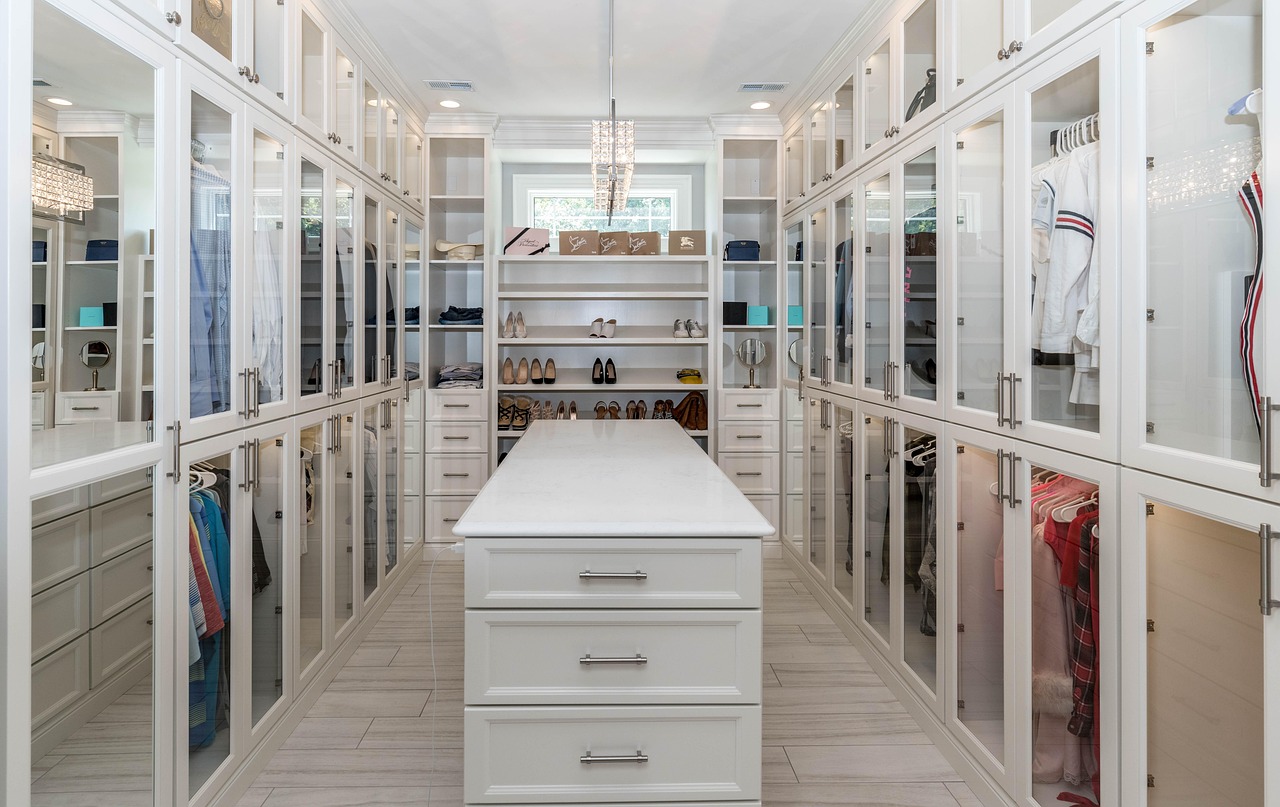
A local cabinet maker built this entirely from maple plywood with solid wood face frames. The layout included a 4-foot center island with four drawers on one side and open shelving on the other. Upper cabinets had glass doors with integrated LED lighting. The walls received new paint and a new carpet tile floor. Challenges included a soffit that didn’t match the new cabinet heights, requiring on-site custom filler strips. Final cost: $10,500 for cabinets and materials, $4,500 for labor including electrical.
Final Takeaways: Building Your Closet on a Realistic Budget
Walk-in closet cost comes down to a few controllable variables: size, material, and labor. Small spaces with simple layouts stay under $2,000 with a DIY approach. Larger rooms with custom cabinetry can exceed $15,000. You can get a high-functioning closet at almost any budget if you plan carefully.
Start by setting a firm budget before you buy anything. Use a free design tool from a closet manufacturer to plan your layout. Get at least three quotes if you’re hiring installation. Avoid the common mistakes that inflate costs. And resist the temptation to over-accessorize right away. You can always add specialty pullouts later.
If you’re ready to compare pricing and see what works for your space, check out budget-friendly walk-in closet options on Amazon or request free quotes from local closet installers. The right approach starts with knowing the numbers and making the tradeoffs that matter to you.