Walk-In Closet Bench Ideas and Seating Solutions for a Functional Luxury Space
Introduction
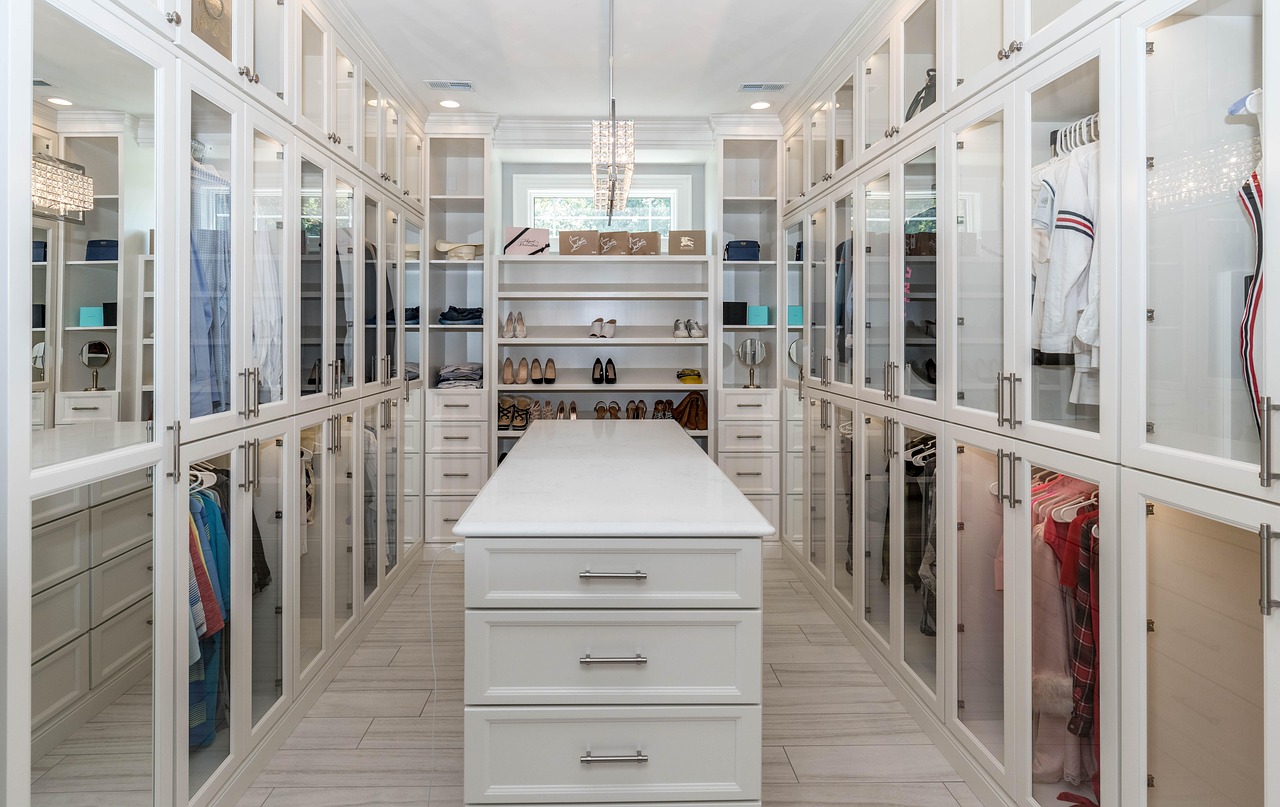
Choosing seating might not be the first thing you think about when planning a walk-in closet, but it often ends up being the feature that makes the space feel functional. You need somewhere to sit while putting on shoes, a spot to lay out tomorrow’s outfit, or a surface for folding laundry. The right walk-in closet seating bridges the gap between a storage room and a dressing room. This guide covers bench styles, materials, sizing, and a few common mistakes that can turn a good idea into a daily frustration. Whether you’re planning a new custom closet or upgrading an existing one, the goal here is practical curation—real-world options that work, not just magazine inspiration.

Why Seating Matters More Than You Think in a Walk-In Closet
A walk-in closet without seating is just a room of shelves and rods. The moment you need to tie your shoes, put on boots, or sort through a pile of accessories, you’re either standing awkwardly or retreating to another room. That’s a missed opportunity.
Seating serves several practical functions. It gives you a place to sit while dressing, which is especially helpful for footwear or items that require bending over. It provides a staging area for laying out outfits, checking combinations, or folding laundry straight from the dryer. It also creates a natural pause in the room’s flow, making the closet feel larger and more intentional—rather than just a narrow aisle between clothes. If you find yourself frequently standing to tie shoes or sort items, a simple closet bench can dramatically improve your daily routine.
A common regret in closet renovations is choosing seating that’s too small, too large, or poorly placed. If your bench blocks traffic or makes it hard to access drawers and hanging rods, you’ll avoid using it. Good seating should feel like a natural part of the room, not an obstacle.
Built-In Benches: Custom Integration for a Seamless Look
Built-in benches are the most permanent and tailored option. They integrate directly with your cabinetry, making the closet look cohesive from floor to ceiling. They’re typically installed under a window, at the end of a peninsula of cabinets, or between two sections of hanging rods.
Pros: Custom fit. You can include storage drawers underneath or cubbies on the sides. You can add integrated lighting above for task illumination. They feel solid and intentional.
Cons: Permanent. Higher upfront cost. Once it’s installed, changing or removing it requires renovation. You’ll likely need professional installation, especially if you want precise alignment with existing cabinets.
Placement and dimensions: Standard seat height is around 18 to 20 inches, which matches most dining chairs and feels natural for sitting. Depth should be 18 to 24 inches—any deeper and you’ll have trouble sitting with your back against the wall. If you’re placing it under a window, ensure the bench doesn’t block the window sill or interfere with curtains.
Material choices: Solid wood (oak, maple) for durability. If you want a cushioned seat, consider a custom upholstered top that can be removed for cleaning. Avoid light-colored upholstery if the bench will see heavy daily use—you’ll be wiping it down constantly.
Built-in benches are best for homeowners who plan to stay in their home for years and want a seamless, high-end look. They’re also ideal for oddly shaped spaces where a freestanding bench would look misaligned.
Freestanding Benches: Flexibility and Style on Your Terms
Freestanding benches offer mobility and variety without requiring construction. You can swap them out when your style changes or move them to a different room. They’re available in almost every material, style, and price point.
Pros: Flexible. No installation required. You can test placement and adjust it as needed. Wide range of options—from minimalist wood to tufted velvet. Easy to replace or update.
Cons: Can look less integrated in a custom closet. May shift or slide on hardwood floors (add felt pads or a rug underneath). Less precise fit, so you need to measure carefully to avoid blocking doors or drawers.
Choosing the right size: Measure the floor space where the bench will go. Leave at least 24 to 36 inches of clearance in front of the bench so you can sit comfortably and still move around. Avoid anything wider than the narrowest part of your closet’s aisle width.
Material options: Wood benches work well in traditional or rustic closets. Metal benches add a modern or industrial touch. Acrylic or glass benches look light and airy but require regular polishing and show fingerprints. Open slatted benches are great for airflow if you’re storing shoes underneath, but they can let small items fall through.
Decision framework: If you’re renting or planning a closet refresh on a budget, a freestanding closet bench with storage is the obvious choice. If you own your home and want a low-commitment upgrade that still looks intentional, a quality freestanding bench with a cushion can bridge the gap nicely.

Upholstered Benches vs. Wood Benches: Which One Is Right for You?
This is one of the most common questions when choosing closet seating. Both have distinct strengths, and the right choice depends on how you use the closet.
Upholstered benches provide a softer seat. They feel warmer and more inviting. The cushion makes sitting for more than a few minutes comfortable. They’re best for a primary walk-in closet where you’ll sit to put on socks, lace up boots, or scroll through your phone before heading out. The downside is cleaning. Fabric upholstery, especially light colors, shows dirt and stains quickly. If you’re bringing in shoes or outdoor gear, you’ll want a removable cushion or a fabric with a good stain guard.
Wood benches are far more durable. They wipe clean easily, which makes them excellent for high-traffic closets that double as mudrooms or for seasonal storage rooms in basements. They’re also more traditional in appearance. Solid wood can take a beating and still look good with proper care. The tradeoff is comfort—wood benches are hard, so sitting for extended periods can be uncomfortable without a cushion.
Scenario recommendations:
- Daily use closet (primary bedroom): Upholstered bench with a performance fabric like polyester blend or Sunbrella. You’ll appreciate the comfort more than you’ll notice the cleaning.
- High-traffic or mudroom-adjacent closet: Wood bench. You can always add a removable bench cushion later, but the durability will save you from stain anxiety.
- Guest closet: Either works, but a simple wood bench is easier to maintain and less likely to show wear.
Storage Benches: The Dual-Purpose Workhorse
If your closet is tight on space, a storage bench packs seating and organization into one piece of furniture. They come in several configurations:
Hinged top benches lift up to reveal a large compartment underneath. Great for out-of-season items, extra blankets, or shoe overflow. The downside is accessibility—you have to move everything on top of the bench to get inside. If you keep pillows or decor on the bench, you’ll be lifting them every time.
Drawer base benches offer pull-out storage. Better for smaller items like socks, belts, or accessories. Drawers keep things organized and easy to access without clearing the seat. Drawer depth matters—shallow drawers are more practical than deep ones that turn into black holes.
Cubby benches have open compartments or shelves below the seat. Perfect for shoes, bins, or baskets. Visually organized and easy to grab things. The open design does collect dust and can look messy if not kept tidy.
Placement: Near the entrance or at the end of the closet island. You want it accessible but not blocking the main path. Be mindful of the bench’s total depth—a deep storage bench can jut into the aisle and create a bottleneck.
Cautions: Don’t overload the storage capacity. A bench filled to the brim becomes heavy and hard to open. Also, deep storage compartments make items at the bottom hard to reach. Stick to items you don’t access daily.
Ottomans and Poufs: Small-Footprint Seating Solutions
If your walk-in closet is on the smaller side, an ottoman or pouf can provide seating without eating up floor space. They’re light, easy to move, and can serve multiple purposes.
Ottomans: Typically upholstered, often with a tufted top. Some have hidden storage inside. They can double as a footrest or even a small table for a tray. They’re sturdier than poufs and work well in a dressing area.
Poufs: Soft, often round or square. They have a casual, bohemian look. Easy to kick under a bench or table when not in use. Great for occasional seating in a secondary closet or dressing area.
Best use: Occasional seating. Not ideal for long periods of sitting—they lack back support and can be unstable. Poufs in particular can tip over if you lean too far. Use them for quick tasks: slip on a pair of sandals, check your outfit in the mirror, or set down a bag.
Material tips: Leather is easiest to clean for a pouf—wipe it down and it’s done. Fabric poufs are cozy but will attract dust and pet hair. For ottomans, look for a removable cover or a stain-resistant finish.
Shoe Benches: A Purpose-Built Seating Solution
Shoe benches are purpose-built for footwear. They typically feature a low, sturdy seat with an integrated shoe rack, shelf, or cubbies below. They’re designed to make putting on and taking off shoes more ergonomic.
Ergonomic advantage: The seat height is usually slightly lower than a standard bench—around 16 to 18 inches—so your feet reach the floor more naturally when putting on shoes. That’s a small but meaningful difference if you’re dealing with boots, sneakers, or dress shoes regularly.
Styles:
- Simple wooden stand: A seat with an open shelf underneath. Minimalist and works in small spaces.
- Upholstered with shelf: A padded seat with a single shelf below. Offers comfort with storage.
- Tiered with cubbies: Two or three tiers of shoe storage below the seat. Best for a household with multiple people or a large shoe collection.
When to choose a shoe bench over a regular bench: If your closet is small and you need both seating and shoe storage in one unit. A shoe bench keeps shoes organized right where you sit, so you’re not walking across the room to grab your footwear. The tradeoff is that the shoe storage underneath can look cluttered if not kept organized, and the bench itself is usually narrower than a standard bench.
Best for: Small closets, mudroom-adjacent closets, or anyone who prioritizes convenience over a clean floor aesthetic.
Common Mistakes When Choosing Walk-In Closet Seating
Avoiding these mistakes will save you from replacing your bench within the first year.
1. Buying a bench that’s too wide for the aisle. The bench should not block the primary walking path. Measure your aisle width and subtract the bench depth. You need at least 24 inches of clear space in front of the bench to sit comfortably and maneuver around it.
2. Choosing an awkward seat height. A bench that’s too low (under 16 inches) makes standing up difficult. Too high (over 22 inches) makes sitting feel like perching. Standard dining chair height of 18 to 20 inches is a safe bet for most people.
3. Forgetting about clearance for doors and drawers. A bench that sits in front of a cabinet door or drawer will become a daily annoyance when you have to move it to access storage. Plan your bench’s location around the swing path of all doors and the pull of all drawers.
4. Selecting a delicate fabric. A linen or silk bench looks beautiful in a showroom but will show wear quickly in a daily-use closet. Choose performance fabrics like polyester blends, Sunbrella, or leather. If you want a softer look, use a washable slipcover.
5. Overlooking the path to hanging rods. The bench should not block your reach to the closest hanging rod. If you have to step around the bench to grab a shirt, it’s in the wrong spot.
6. Buying a storage bench that’s too deep. A deep storage bench (over 24 inches) makes sitting with your back against the wall uncomfortable and can turn the storage compartment into a messy, hard-to-reach space. Stick to 18 to 22 inches depth for most closets.


How to Measure Your Walk-In Closet for the Perfect Bench
Getting the measurements right is the most important step. Here’s a simple process:
- Measure the available floor space. Length and width. Note any obstacles like vents, outlets, or baseboard heaters.
- Account for door swing and drawer clearance. The bench needs to sit in a spot where it doesn’t interfere with any opening doors or drawers. Minimum 24 to 36 inches in front of the bench for comfortable movement.
- Consider seat height. Standard is 18 to 20 inches. Measure from the floor to your knee while sitting in a chair of that height to confirm it feels right for you.
- Think about bench depth. At least 18 inches for comfort. Up to 22 inches if you want extra room. Deeper than that becomes bulky and hard to reach the back of the seat.
- Consider the path of travel. The bench should not block the main walking path. If your closet is narrow, place the bench against a wall rather than in the center of the aisle.
Take a piece of masking tape and mark the bench’s footprint on the floor. Live with it for a day. Walk around it, sit down, put on shoes. If it feels awkward, adjust the size or location before buying anything.
Material Guide: Upholstery, Wood, Metal, and Acrylic
The material you choose affects durability, comfort, and maintenance. Here’s a breakdown of your options.
Upholstery: Performance fabrics (Sunbrella, polyester blends) are your best bet. They resist stains, fading, and wear. Avoid cotton or silk unless you’re styling a low-traffic guest closet. Leather is durable and easy to clean but can feel cold in winter and can scratch with heavy use. Velvet is luxurious but will show marks and dust easily.
Wood: Oak and maple are dense and hold up well to daily use. Walnut is softer but beautiful and ages gracefully. Painted wood (white, gray, black) is common and easy to match but can chip over time. Stained wood shows scratches less. Avoid softwoods like pine for a bench that will see daily sitting—they dent easily.
Metal: Powder-coated metal is rust-resistant and durable. Stainless steel is modern but cold. Metal benches are usually lightweight and easy to move, but they can scratch floors if not fitted with felt pads. They also conduct temperature, so a metal seat can be cold in a chilly closet.
Acrylic: Modern and visually light. Acrylic benches make a small closet feel less cluttered. They show fingerprints and dust easily and can scratch. They’re not as stable as wood or metal—make sure the bench has a wide base to prevent tipping. Not ideal for homes with young children or pets.
Tradeoffs: Wood can dent, metal can be cold, acrylic shows fingerprints, upholstery can stain. Prioritize based on your lifestyle. If you have kids or pets, go with performance upholstery or wood. If you want a clean, modern look, acrylic or metal with a cushion top works well.
Styling Your Bench: Pillows, Throws, and Decor (Without Clutter)
A bench that’s completely bare can look sterile in an otherwise warm closet. A bench that’s overloaded with pillows and throws becomes unusable as seating. The goal is a middle ground.
Lumbar pillows: One or two small lumbar pillows provide back support and add a pop of color. They’re easy to move when you want to sit. Avoid oversized pillows that take up the entire seat.
Throws: A single throw draped over the end of the bench adds texture and warmth. Choose a material that complements your closet’s style—linen for relaxed, chunky knit for cozy, cotton for crisp. The throw should be easy to wash.
Less is more: The surface of the bench should remain clear for actual seating. A stack of neatly folded sweaters or a small tray for keys and jewelry can sit on the end, but keep the center open. If you style it into a display case, you won’t want to disturb it, and that defeats the purpose.
Failing to style: A bare bench looks like an afterthought. A simple lumbar pillow and a throw make it look intentional. Over-styling makes it unusable. Find the balance that works for your routine.
Frequently Asked Questions About Walk-In Closet Benches
What is the standard height for a closet bench?
18 to 20 inches. This matches standard dining chair height and feels natural for most people. Slightly lower (16 to 18 inches) works for shoe benches.
Can I install a bench in a small walk-in closet?
Yes, but choose a smaller footprint. Ottomans, poufs, or narrow shoe benches work well. Ensure you have at least 24 inches of clearance in front of the bench for comfort and movement.
Should I get a bench with storage or without?
It depends on your storage needs. If your closet is already well-organized, a simple bench may be enough. If you’re short on storage, a bench with drawers or a hinged top can help. Just be mindful of accessibility.
How much space do I need in front of the bench?
At least 24 inches. More is better—36 inches gives you room to sit, stand, and walk past the bench without bumping into it.
Can I use an outdoor bench inside a closet?
Yes, if the style works with your decor. Outdoor benches are often made of durable materials like teak or powder-coated metal. Just check the dimensions and make sure it’s not too low or too deep for indoor use.
Do I need a padded seat for a closet bench?
Not necessarily, but it makes sitting more comfortable. If you’ll sit for more than a minute at a time, a padded seat is worth it. If the bench is purely for quick tasks, a wood or metal seat is fine.
How do I clean an upholstered closet bench?
Check the manufacturer’s label. Most performance fabrics can be spot-cleaned with mild soap and water. For delicate fabrics, use a vacuum with a brush attachment first, then a fabric cleaner. Removable covers are ideal for easy washing.
Final Thoughts: Choosing the Best Walk-In Closet Seating for Your Home
Choosing the right bench or seating option for your walk-in closet comes down to three things: measure first, decide how you’ll use it most, and prioritize quality materials that match your lifestyle. Avoid the common mistakes, and you’ll end up with a piece that feels intentional and functional. Whether you go with a built-in bench with storage, a flexible freestanding option, or a compact ottoman for a tight space, the right seating transforms your closet from a storage room into a space you actually enjoy using. Start designing your dream setup today.