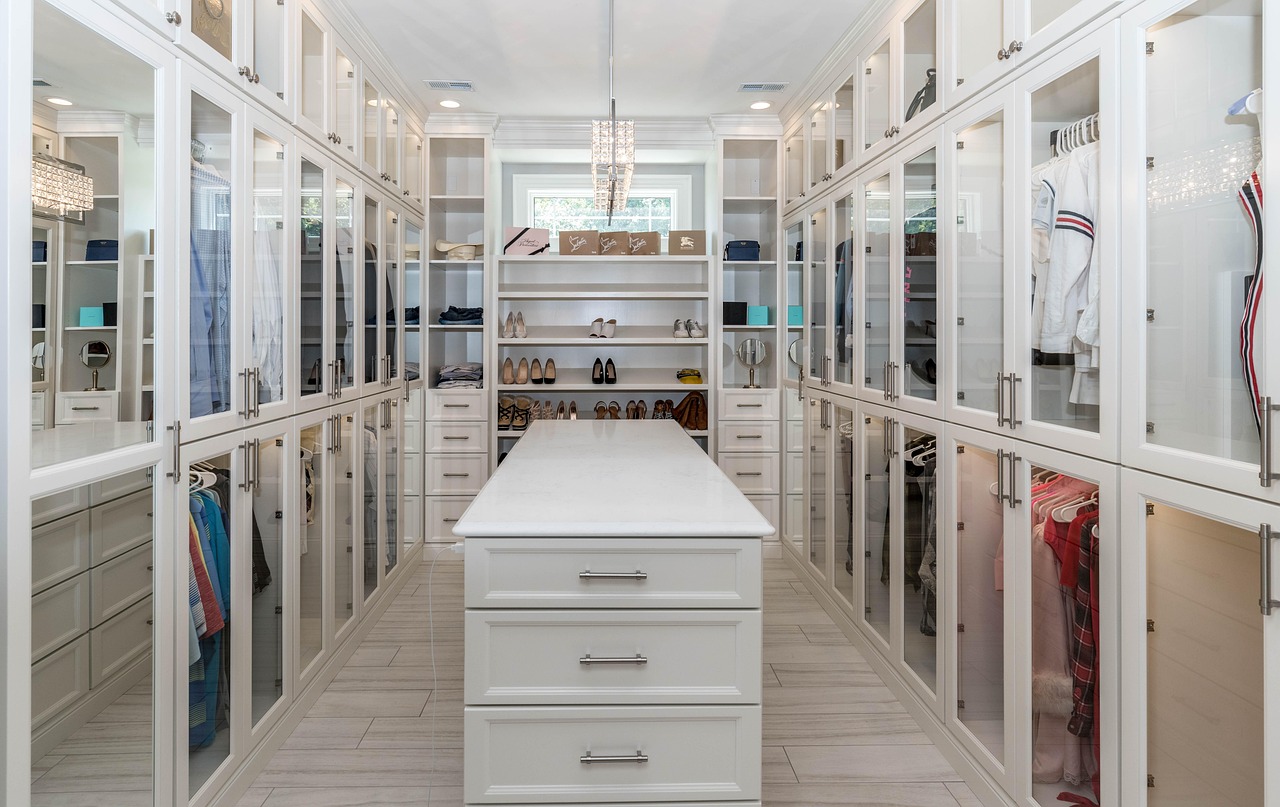
How to Measure Your Space for a Walk-In Closet: A Step-by-Step Guide
How to Measure Your Space for a Walk-In Closet
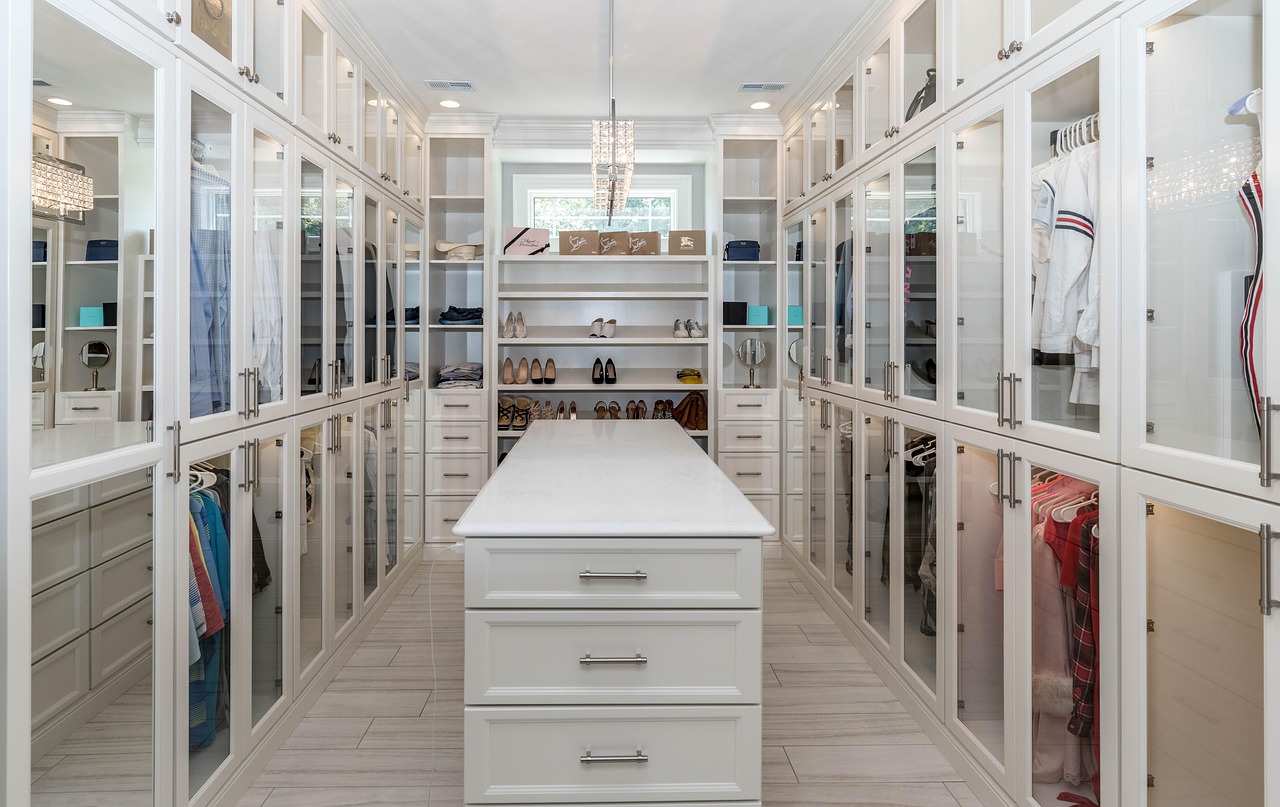
Getting a walk-in closet right starts before you ever buy a shelf or a hanger. The foundation for a successful installation, whether you’re doing it yourself or hiring someone, is how you measure your space. A quarter-inch off can mean shelves that don’t fit or rods at the wrong height. I’ve been through enough closet projects to know that spending an extra thirty minutes on measurements saves hours of frustration and wasted materials. This guide walks through each step of how to measure a walk-in closet so you can plan with confidence. We’ll cover the right tools, the tactical steps, and the mistakes that trip up even experienced DIYers.

Tools You’ll Need for Accurate Measurements
You don’t need a contractor’s toolkit, but having the right gear on hand makes a noticeable difference. Here’s what I keep in my bag:
- Tape measure. A 25-foot locking tape measure is my go-to. A model like the Stanley FatMax is popular because it can reach 11 feet unsupported, which helps when you’re working alone. In tight corners, a 16-foot version works fine, but longer reach is nice in bigger closets.
- Laser measure. Not required, but it saves time with large rooms. Laser measures work well for total wall length, but they can struggle in narrow alcoves or around door casings. If you plan to measure a lot of spaces, a model like the Bosch GLM 50 C is worth the investment for its memory and accuracy. If it’s just this one project, a good tape is all you need.
- Graph paper and pencil. Graph paper keeps your scale drawing neat. A pencil lets you erase as you refine your floor plan. Never use ink.
- Level. A 2-foot or 4-foot level helps you check if walls are plumb and floors are level. Even a small torpedo level works for spot checks.
- Notepad or app. I prefer a notepad for quick notes during the messy parts. For digital options, the Measure app on iPhone or Magicplan (free version) works well for documenting dimensions on the go. Just double-check digital readings against your tape.
For my projects, I always keep a Sharpie and a roll of painter’s tape nearby to label walls and mark obstructions. It speeds things up.
Preparing the Space: What to Do Before You Measure
Jumping straight to measuring with a room full of furniture is a mistake I made once and never repeated. You need clear access to every wall, corner, and floor section. Remove any furniture, racks, or floor coverings that might shift or compress. If the closet is currently used, empty it out entirely. That means clearing shelves, bins, and any stored items.
Make sure the walls are bare. Even a layer of thick wallpaper or paneling can throw off your numbers if you later plan to install shelving directly against drywall. In basements or attic conversions, let the room acclimate to a stable temperature for at least 24 hours before measuring. Temperature shifts cause materials to expand and contract, and you want your measurements to reflect the room’s final state.
For the most accurate results, measure during the day when natural light is even. If you are using a laser measure, shadows from sunlight can cause reflections that distort readings. Avoid measuring right after a rainstorm if the space is prone to moisture—wood and drywall can swell temporarily.
Step 1: Measure the Floor Dimensions
This is your foundation measurement. Start by measuring the longest wall. But don’t take just one measurement. Walls are rarely perfectly straight or parallel. I always measure at three points: about 6 inches from each end and then in the middle. Write down all three numbers. For your floor plan, use the smallest measurement. A real example: my north wall measured 8’2′ near the left corner, 8’1′ in the middle, and 8’3′ near the right corner. I used 8’1′ for my planning. The extra inch would have caused my shelving unit to not slide into place.
Do the same for the width. Measure from different wall pairs to confirm consistency. If your room has an alcove, nook, or bay, measure each section separately. Every corner creates a new rectangle or L-shape. Mark these on your graph paper as distinct zones. Don’t try to average out discrepancies—use the smallest measurement for every dimension. You can always shave down a shelf, but you can’t stretch a wall.
Step 2: Measure Wall Heights and Out-of-Plumb Walls
Ceilings look flat until you measure them. In older homes especially, ceilings can slope by a half-inch or more across a 10-foot span. Measure the wall height in at least three locations: both ends and the center. Record all three values. Use the shortest measurement for any tall fixtures like hanging rods or full-height cabinets. If you plan to install shelving that runs wall to wall, you need to know the lowest point to avoid guessing.
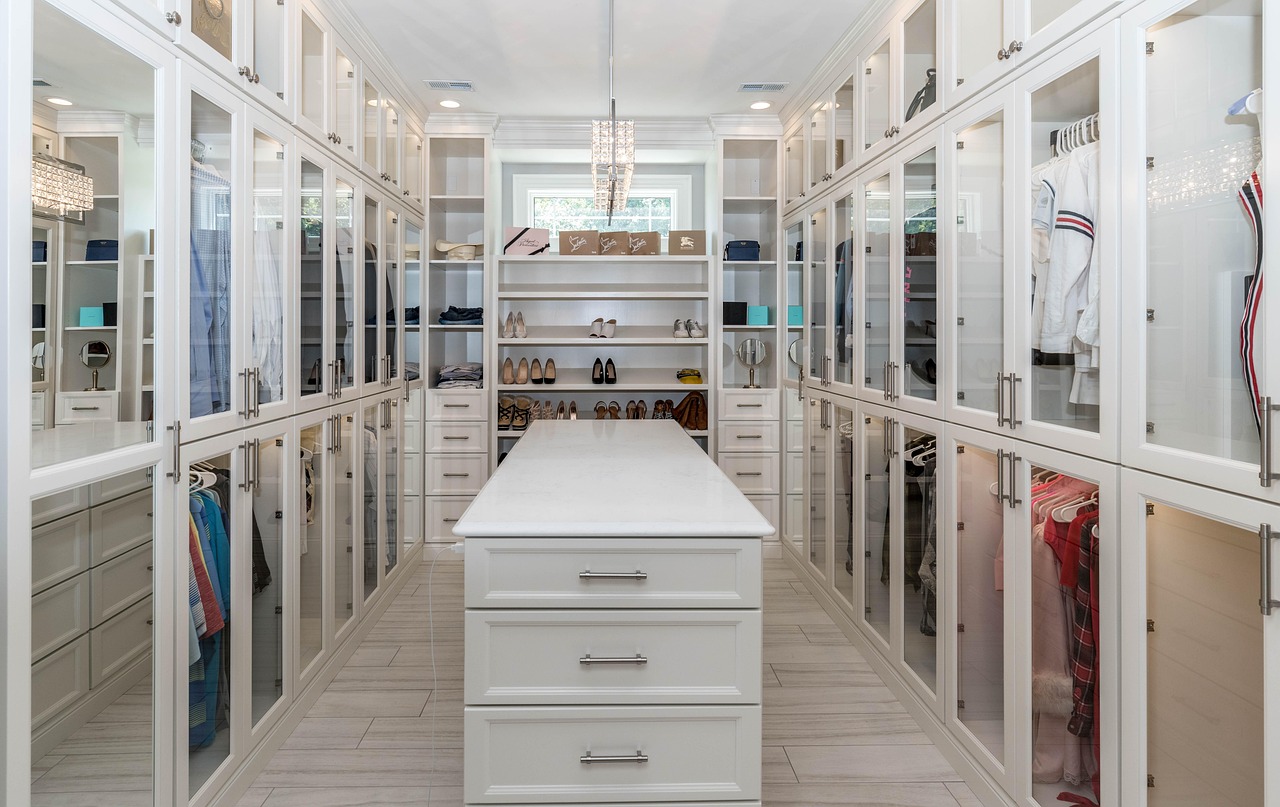
Now check for out-of-plumb walls. Hold your level vertically against the wall. If the bubble is not centered, the wall leans. In a 1940s house I worked on, a wall tilted a full inch over an 8-foot span. That means a shelving unit designed for a perfectly vertical wall would leave a gap at the top or bottom. You have two options: build custom brackets that angle slightly or choose a modular system that allows for shimming. Write down the direction and degree of tilt—it matters when you select your system.

Step 3: Document Doors, Windows, and Obstructions
This is the step where small details cause big problems if overlooked. Measure every door’s width, height, and swing direction. Note how far the door extends into the room. A standard door swings about 90 degrees, but pocket doors or bi-folds require their own clearance. For windows, measure from the floor to the bottom sill and from the ceiling to the top trim. Mark the exact location of your electrical outlets, light switches, and HVAC vents. I once planned a tall shelf run directly in front of a floor register. That shelf would have blocked heat flow entirely. I had to redesign the layout on the spot.
Use your level to ensure that your marks for windows and doors are horizontal and vertical. A common oversight is not accounting for baseboards and trim. Baseboards can add an inch of depth and an inch of height to your measurements. If you plan to install shelving flush against the wall, subtract the baseboard depth from your usable space. For example, if your wall-to-wall measurement is 10 feet, but a 4-inch baseboard protrudes, your shelf width should be at most 9 feet 8 inches.
Step 4: Measure for Depth and Clearance Planning
Depth measurements are often underestimated. Standard hanging rods require 28 to 30 inches of depth for adult clothing on hangers. If you are using double hang rods, which stack two rods vertically, you need at least 30 inches of depth as well. For long coats or dresses, you may need up to 36 inches. A solid rule: for a double hang rod setup, allow 40 inches from the floor to the bottom rod and 42 inches for the top rod. That gives you room for both short and long items.
Walkway clearance is just as important. Never plan a walkway narrower than 36 inches. Even then, it feels tight. If you can afford the space, aim for 42 inches. Deeper closets allow for deeper shelves and more storage, but they reduce your walking area. You have to weigh the tradeoff between storage capacity and comfort. For example, a 6-foot-deep closet might hold two rows of hanging rods, but the middle walkway will only be about 30 inches—crowded for two people. Use your floor plan to test these dimensions before committing.
Common Measurement Mistakes and How to Avoid Them
Even experienced builders make errors. Here are the most common ones I have encountered and how to catch them before they become expensive problems:
- Relying on a single measurement. Always take three measurements per wall, as described in Step 1. One reading is rarely enough. The smallest number is your friend.
- Ignoring baseboards and trim. Baseboards add depth and height. Measure from the finished floor and the finished wall surface, not from the edge of the trim. If you plan to install shelving on the wall, measure the wall itself, not the trim.
- Not measuring diagonally to check for squareness. Measure from one corner to the opposite corner. Then measure the other diagonal. If the two numbers differ by more than an inch, your room is not square. This affects shelving alignment and how modular systems fit. In a non-square room, modular systems often need filler panels or custom cutting.
- Using a stretchy or worn-out tape measure. A fabric dressmaker’s tape or a cheap plastic tape can stretch over time. Always use a metal tape measure for accuracy. Replace it if it feels flimsy or has visible kinks.
A personal experience that taught me hard: I once measured a closet floor with a single reading, trusting the builder’s original plan. The system I ordered was 1.5 inches too wide because I had not accounted for a slight bow in the wall. I spent an afternoon trimming panels. Double-check every measurement twice from different starting points.
Sketching Your Floor Plan: From Measurements to Layout
Now take your raw numbers and create a usable floor plan. Graph paper works perfectly for this. Use a scale of 1 square = 1 foot or 1 square = 6 inches, depending on your room size. Start by drawing the outer walls to scale, using the smallest measurements from each direction. Then add in the locations of doors, windows, outlets, and vents from your notes. Use a different color or dashed line for obstructions you cannot move, like pipes or electrical panels.
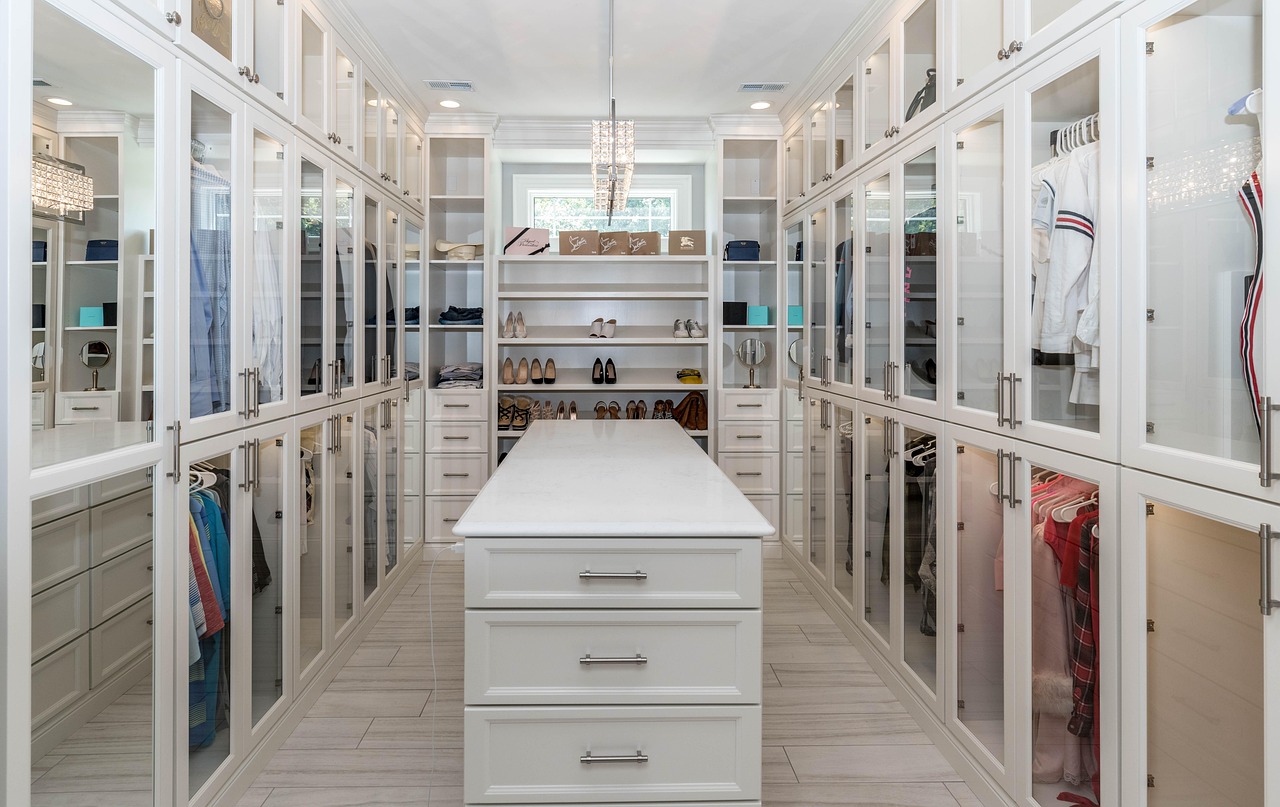
If you prefer digital tools, Magicplan or RoomScan offer free versions that let you draw walls and drop in measurements. Magicplan’s premium version adds features like 3D previews and cost estimation. For this project, the free version is enough to get a clear layout. Keep your sketch simple—it doesn’t need to be architectural quality. The goal is a visual map that helps you see where shelves, rods, and drawers will fit and where you will run into problems.
Label every dimension. Note the ceiling height at each wall. If you have a sloped ceiling, sketch the slope angle. This visual will guide your next decisions on system selection and ordering.
When to Call a Professional vs. DIY
You don’t have to do this yourself. Knowing when to bring in a professional is a sign of practical experience, not failure. Here’s my rule of thumb:
- DIY is best for: Rectangular or L-shaped rooms with straight walls, standard ceiling heights (8 to 9 feet), minimal electrical or plumbing obstructions, and when you are comfortable with basic tools. If your measurements show a simple rectangle with no sloped ceilings, a modular system from IKEA PAX or ClosetMaid is a straightforward weekend project.
- Consider a professional when: Your room has slopes, odd angles, multiple architectural features (like recessed lighting or vaulted ceilings), or requires moving electrical outlets or HVAC vents. A contractor can handle the framing, drywall patching, and custom shelving that makes a tricky space work. Expect to pay between $1,500 and $5,000 for a custom closet, versus $200 to $800 for a modular system.
- The gray area: If your room is mostly square but has a single difficult feature—like a low window or an off-center door—you can still DIY. Just plan to cut shelves to fit around the obstruction. Prefabricated systems often include filler panels for this.
Honesty about your own skills saves money in the long run. If you have never used a circular saw before, hiring a pro for a complex layout is cheaper than buying new materials twice.
Using Your Measurements: Choosing the Right Closet System
Once your floor plan is ready, you can match your measurements to the right closet system. Three main categories exist:
- Pre-built modular systems like IKEA PAX or ClosetMaid. They come in fixed sizes, typically widths of 30, 40, or 60 inches. You select components based on your wall lengths. Best for straight walls and standard ceiling heights. The tradeoff is limited flexibility for odd dimensions. You often need filler panels to close gaps.
- Semi-custom systems from brands like EasyClosets or Closet Factory. They offer some width adjustment and more finish options. You order based on your specific measurements, but the components are still pre-engineered. Good for rooms with minor irregularities.
- Custom-built from a local carpenter or contractor. This is the most expensive route but allows complete adaptation to your exact wall heights, obstructions, and design preferences. Ideal for odd-shaped rooms or high-budget projects.
For most homeowners, a modular system is the sweet spot. Check your ceiling height first: most modular systems require a minimum of 74 inches to operate double hang rods. If your ceiling is lower than that, you may need single hang rods or custom height adjustments. Budgets vary widely. A modular setup can start under $200, while semi-custom systems run $400 to $1,000. Always include tax and shipping when comparing prices.
Ready to get started? Find your options here.

Final Checklist Before Ordering or Building
Before you click ‘buy’ or grab your saw, run through this final checklist. Confirm the following:
- I measured all walls at three points and used the smallest numbers.
- I accounted for baseboards and trim (subtracted from usable width).
- I measured the diagonal to check for squareness (difference less than 1 inch).
- I documented every door swing, window, outlet, and vent location.
- I measured ceiling height at multiple points and used the shortest for full-height fixtures.
- I chose a system (modular, semi-custom, or custom) that fits my budget and room shape.
- I left at least 36 inches of walkway clearance where people will move.
- I planned for rod depths of 30 inches and shelf depths of 12 to 16 inches.
One last piece of advice: if you are ordering online, measure twice and order once. Mistakes from an inaccurate measurement cost time and shipping fees. When you are set, browse recommended tools and systems for your new closet. Your walk-in closet should work for you, not the other way around. Accurate measurements are the first step to making that happen.