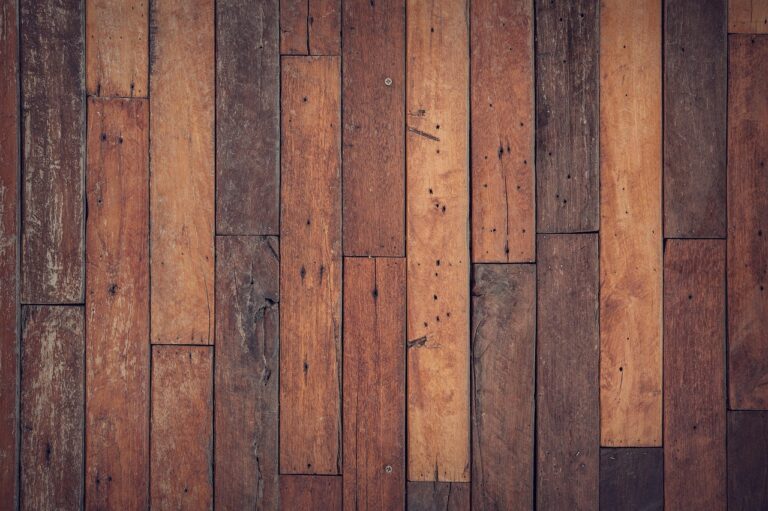
Artisanal Walk-In Closet: Handcrafted Details and Texture for a Unique Space
What Makes a Closet Artisanal? Key Features
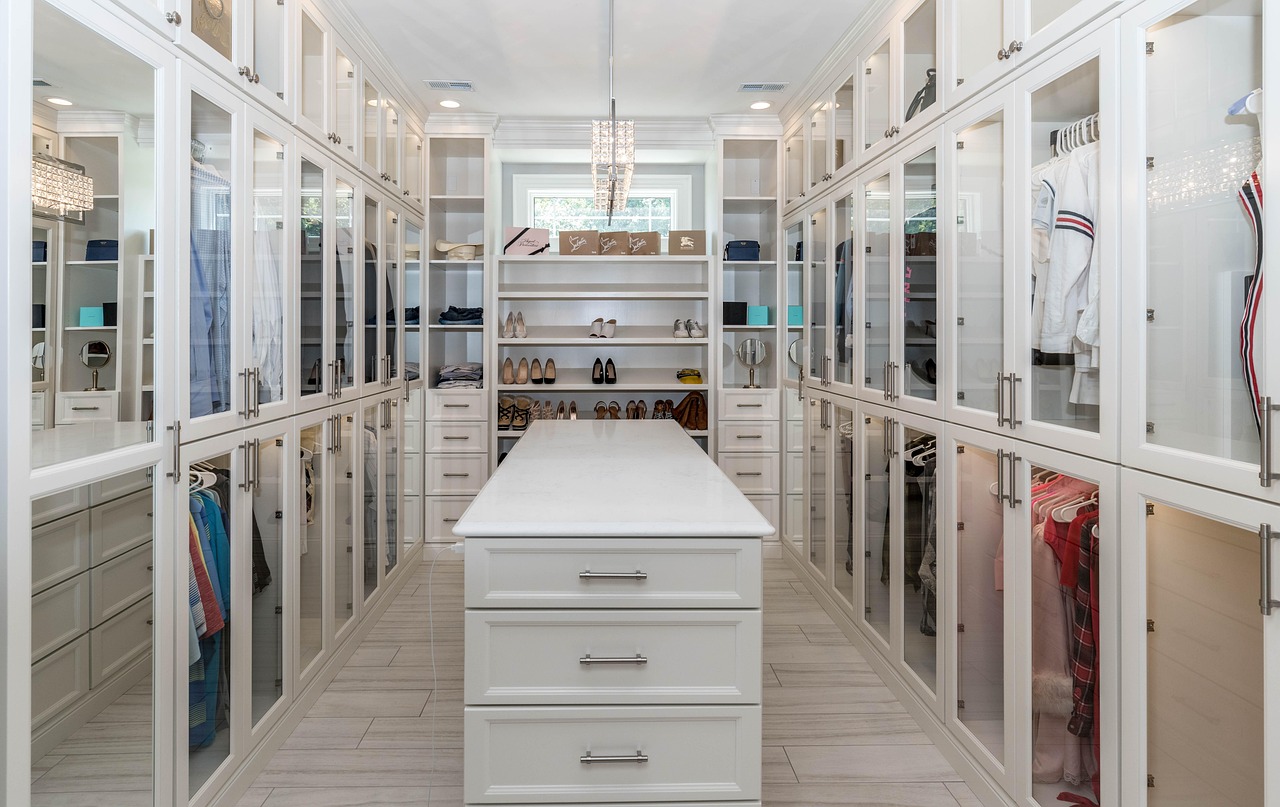
An artisanal walk-in closet moves away from the factory-made, particleboard standard. It’s not about sterile uniformity. You’re looking for the visible marks of handcrafting—slightly uneven dovetail joints, a hand-rubbed oil finish, the distinct grain of reclaimed wood. At its core, an artisanal closet prioritizes texture and craftsmanship over mass production. Expect natural materials like solid wood, natural stone, and linen rather than laminate and MDF. The joinery is often exposed and celebrated, not hidden. The finishes have depth and variation, not a flat, uniform sheen. This is a space that feels built, not assembled. For the homeowner, it means your closet becomes a reflection of your taste, not just a storage solution. This guide is for DIYers, homeowners, and anyone who wants to move beyond the impersonal and create a space with genuine character.
Planning Your Artisanal Walk-In Closet: Layout and Scale
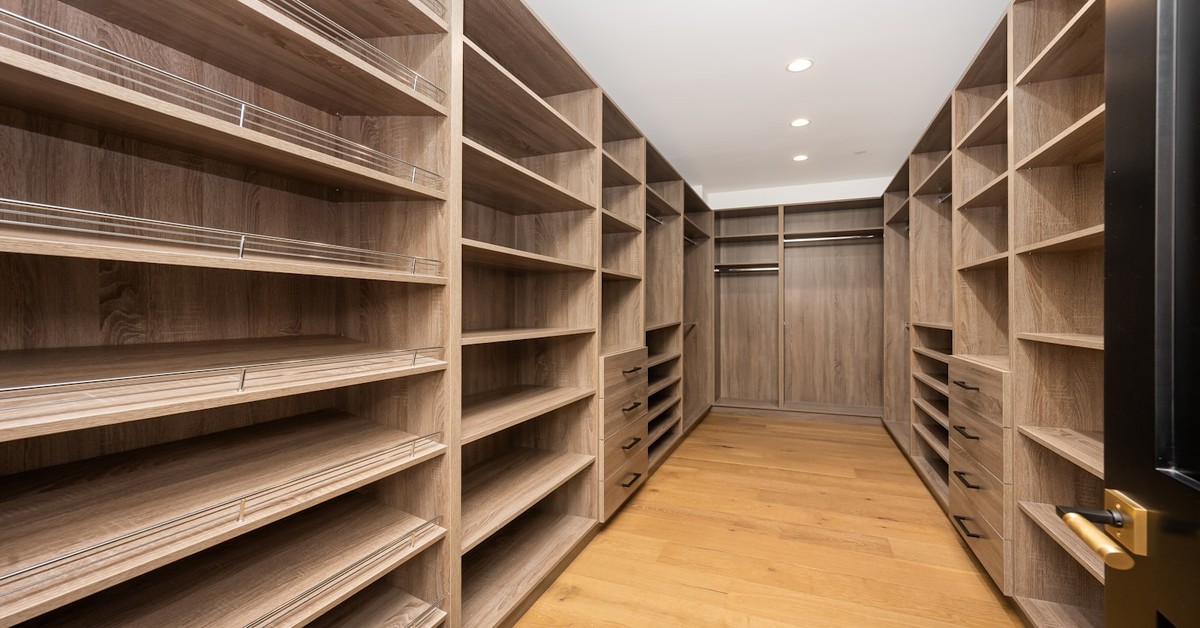
Before you touch a single tool or order a piece of wood, you need a plan. An artisanal closet can feel chaotic if the layout isn’t functional. Start with accurate measurements. Note the ceiling height, the location of windows and doors, and any obstructions like electrical outlets. The most common layouts are L-shaped, U-shaped, and single-wall. A U-shape works well for a larger space, offering maximum storage and a central area for dressing. An L-shape is a strong choice for a medium-sized room, leaving one wall open for a mirror or seating. A single-wall layout is best for a smaller walk-in, forcing you to be more intentional about vertical storage.
A common mistake is overcrowding the space. Just because you can fit a row of deep drawers doesn’t mean you should. Think about the flow. You need room to move, to open a drawer, and to see your clothes. Another mistake is ignoring the vertical dimension. High shelves for seasonal items are a good idea, but they need to be accessible. For those considering a rolling ladder, a rolling library ladder kit can add both function and that artisanal feel, especially useful for taller closets. For a smaller walk-in, prioritize an L-shape with open shelving above a low rail for hanging clothes. This keeps the space feeling open while maximizing storage. For a larger space, a U-shape with a central island for accessories and shoes is a classic and functional choice.

Choosing Materials: Wood, Metal, and Natural Finishes
Material choice is where the artisanal character truly comes to life. The wood you select sets the entire tone. Reclaimed wood is a fantastic choice for shelves and accents. It brings history, unique grain patterns, and a weathered patina that can’t be replicated. It’s durable, but it can be expensive and may have inconsistencies like nail holes or checking. Solid birch or oak is a more predictable and slightly less expensive option that still feels substantial. Avoid plywood with a thin veneer; it won’t have the same tactile quality or longevity.
For metal accents, wrought iron and brass are the go-to choices. Wrought iron offers a dark, industrial contrast to warm wood. Brass adds warmth and a slightly more refined feel. Consider hand-forged hooks for hanging bags or belts, or a brass rail for hanging clothes. Homeowners looking for durable, tactile hardware often find that hand forged iron hooks are a practical way to introduce that artisanal character. For countertops or lower shelving, consider natural stone like soapstone or a honed granite. They are durable and add a weighty, grounded feel. Concrete is another strong option, especially for a more industrial or modern artisanal look. When selecting finishes, look for products that enhance the natural grain. A matte polyurethane or a hardwax oil protects the wood without making it look plastic. For metal, consider a clear wax or a patina finish to preserve the handcrafted look.
Handcrafted Shelving and Storage Solutions
Shelving is the backbone of your closet, and it’s where you can make the biggest impact. Open shelving is the default for an artisanal look, allowing you to display folded clothes, shoes, and accessories like curated objects. The bracket style matters. Simple, hand-forged iron brackets with visible rivets are a strong choice. For a cleaner look, use hidden brackets that make the shelf appear to float. The material of the shelf itself is critical. A thick, solid wood plank with a live edge is a showstopper. A more approachable option is a clear, vertical-grain Douglas fir shelf that you can finish yourself.
Closed storage, like drawers and cabinets, is still essential. Custom-built drawers with dovetail joinery are the gold standard. They are expensive but incredibly durable and beautiful. A more budget-friendly option is to buy high-quality modular drawer boxes and attach custom drawer fronts. For drawer pulls, look for handcrafted options in ceramic, glass, or forged metal. When it comes to storage solutions, think about what you actually need. For a tie or belt collector, a custom sliding rack is worth the investment. For someone with mostly folded items, deep, open shelves with high-quality woven bins are a better use of budget. The key is to balance custom pieces with functional modular ones where it makes sense.

Textures That Transform: Woven Baskets, Leather, and Linen
Texture is what prevents an artisanal closet from feeling cold or sterile. It’s the layer that adds visual warmth and tactile interest. Woven baskets are a practical and affordable way to introduce texture. They are ideal for storing smaller items like scarves, socks, or lingerie. When buying, look for baskets made from natural materials like seagrass, rattan, or water hyacinth. Avoid cheap, machine-made baskets that have a uniform, plastic-like finish. The weave should be tight and even, but you should still see the variation in the natural fibers.
Leather adds another dimension. Consider leather pulls on drawers, or a simple leather strap as a hanging rail for ties or scarves. A leather-upholstered bench in the center of the room is a functional and beautiful statement piece. For a simpler touch, use leather-covered boxes for organizing wallets and watches. Linen is the perfect choice for drawer liners and garment bags. It breathes well, looks refined, and adds subtle texture. A common pitfall is using too much of one texture. Mix them. Pair a rough, woven basket with a smooth leather strap. Layer a linen liner in a drawer filled with soft, knit items. This creates a space that feels layered and considered, not monotonous.
Lighting for an Artisanal Feel: Warm and Functional
Lighting in an artisanal closet is about enhancing the materials, not just illuminating the space. You want warm, inviting light that shows off the wood grain and the texture of the baskets. The best option is a combination of ambient, task, and accent lighting. For ambient light, a pendant light with a natural shade, like linen or paper, works well. For task lighting, consider warm LED strip lights under shelves to illuminate folded clothes or shoes. These are relatively easy to install with a plug-in kit and can be cut to length.
For accent lighting, a small brass or ceramic sconce on either side of a mirror or a central island adds a handcrafted detail. Avoid harsh, cool-toned LEDs. They will wash out the warm tones of the wood and make the space feel clinical. Instead, look for bulbs labeled ‘warm white’ (2700K to 3000K). Dimmers are a must. They allow you to adjust the mood from bright and functional for getting dressed to soft and ambient for relaxing. Installation difficulty varies. Plug-in strip lights are a weekend project. Hardwired sconces or pendants usually require an electrician. For a beginner, start with a dimmable overhead light and a few under-shelf LED strips.
Hardware as Jewelry: Selecting Knobs, Hooks, and Pulls
Hardware is the jewelry of your closet. It’s a small detail that has a huge visual impact. For an artisanal look, choose pieces that look like they were made by hand, not stamped out by a machine. Hand-forged iron knobs have a dark, textured finish that ages beautifully. Ceramic knobs in a matte glaze offer a softer, more tactile feel. Glass knobs, especially in amber or teal, add a touch of vintage glamour. For pulls, look for options in unlacquered brass or wrought iron. The key is to choose hardware that feels substantial in your hand.
A common mistake is mixing metals randomly. It can be done successfully, but it requires intention. A good rule is to stick to one primary metal and use a second as an accent. For example, use unlacquered brass for all drawer pulls and hooks, and then use a single wrought iron hook near the door for a coat. Match the hardware style to the overall feel of the closet. If you have a lot of dark, rustic wood, hand-forged iron is a natural partner. If your wood is lighter and more refined, unlacquered brass or ceramic knobs will feel right. Pay attention to the finish. A polished brass looks very different from a satin brass. A matte, slightly uneven finish usually looks more handcrafted.
Adding Character: Custom Millwork and Built-Ins
This is where you can go deep. Custom millwork includes built-in drawers, shoe racks, jewelry trays, and valet rods. The advantage of custom millwork is that it’s designed to fit your exact space and your specific needs. A built-in shoe rack can be slanted to display your collection, while a jewelry tray can have custom compartments for rings, necklaces, and watches. A valet rod, a small pull-out rod for the next day’s outfit, is a luxury touch that adds genuine convenience.
DIY is possible for simpler built-ins, like a basic shoe rack or a set of drawers. The skill level required is moderate. You need to be comfortable with cutting, joinery, and finishing. Hiring a carpenter is the best route for complex pieces like a fully integrated jewelry cabinet or a custom island with power outlets. The cost is significantly higher. Expect to pay $100–$200 per linear foot for basic custom shelving, and much more for intricate millwork. The tradeoff is a piece that is perfectly tailored and built to last a lifetime. If you are handy, start with a simple valet rod or a set of floating shelves. If not, invest in a good carpenter for the core built-ins and do the simpler projects yourself.

Common Mistakes When Designing an Artisanal Closet
There are several pitfalls that can turn your vision into a regrettable reality. One of the biggest is overusing one texture. A room full of reclaimed wood walls, wicker baskets, and rough linen can feel overwhelming, not warm. The key is balance. Use different textures to create contrast. Another mistake is ignoring ventilation. A closet with tightly packed shelves can trap moisture and odors, damaging natural materials and clothes. Ensure there is some airflow, either from a window or a small, quiet fan.
Sacrificing function for looks is another common error. A beautiful shelf made of fragile, thin wood will fail under a stack of jeans. Always consider the weight and use of the item before choosing the material. A shelf for folded clothes needs to be sturdy. A hanging rail needs to be secured into a stud. A third mistake is choosing fragile materials for high-use areas. A delicate hand-painted ceramic knob on a frequently used door is a recipe for disaster. Use durable materials like brass or iron for high-wear areas. Finally, don’t forget the floor. A beautiful rug or a natural fiber runner can add warmth and define the space, but make sure it’s easy to clean and durable.
Budgeting for Handcrafted Pieces: Where to Splurge and Save
A thoughtful budget is essential. The good news is you don’t have to spend a fortune to create an artisanal feel. The key is knowing where to invest and where to save. Splurge on the shelving and hardware. These are the pieces you touch and see every day. A high-quality solid wood shelf or a set of hand-forged brackets will last a lifetime and define the entire space. Save on accessories and lighting. You can find beautiful woven baskets, linen liners, and warm LED strip lights at a fraction of the cost of custom millwork. A simple lighting kit can be a $50 purchase, while a custom brass sconce can be $200.
A smart way to save is to use unfinished wood. You can buy clear, vertical-grain Douglas fir or pine shelving from a lumberyard for a low cost. Then, finish it yourself with a matte wax or oil. This saves the markup on pre-finished wood and gives you complete control over the final look. Another area to save is on the paint or finish of the walls. A good coat of matte paint in a warm neutral provides a perfect backdrop for your artisanal pieces. You don’t need a designer wallpaper. For custom millwork, consider a hybrid approach. Hire a carpenter for the core built-in cabinet and then buy premade drawer boxes to save on labor. The bottom line: spend on what you touch and see, and save on what is more decorative or easily replaceable.
Real-Life Example: A Simple Artisanal Makeover Under $1,000
To show you this is achievable, here’s a real-world example of a closet makeover I helped a friend with. The closet was a standard 8×5 foot walk-in with wire shelving and a fluorescent light. The goal was to create an artisanal feel without a major renovation. The budget was under $1,000. The first step was to remove the wire shelves and patch the holes. We then painted the walls a warm, soft white. The biggest expense was the shelving. We bought three 6-foot-long, 1-inch-thick solid pine boards from a local lumberyard for about $75. We cut them to size and finished them with a matte hardwax oil. For brackets, we used simple, blackened steel shelf brackets that we found online for about $30 for a set of eight.
For storage, we bought two large, hand-woven seagrass baskets for about $40 each to hold folded sweaters. We lined the one drawer with a linen liner we made from a yard of linen. For the hanging rail, we replaced the standard chrome rod with a simple, oil-rubbed bronze rod and flanges, a $50 purchase. The biggest win was the lighting. We replaced the fluorescent fixture with a pendant light with a linen shade, costing about $80. We also added a simple, plug-in LED strip light under the top shelf for about $25. For hardware, we used six unlacquered brass knobs on the closet door and a single hand-forged iron hook for a bag. Total cost was around $500. The result was a warm, textured, and functional space that felt completely different. The key lesson was that material choice and lighting do most of the heavy lifting. We spent on the wood, the light, and the hardware, and saved on the baskets and the paint.
Maintenance Tips for Natural Materials and Textures
An artisanal closet needs a little care to keep its character. It’s not a set-it-and-forget-it space. Dust is the main enemy of exposed shelves. Use a soft, dry cloth or a microfiber duster on a weekly basis. For woven baskets, a gentle vacuum with a brush attachment removes dust from the crevices. For wood, oil it every six to twelve months, depending on the finish. A hardwax oil is easy to apply and restores the wood’s natural luster. For brass, cleaning is easy. A simple mixture of lemon juice and baking soda or a dedicated brass cleaner removes tarnish. Avoid harsh chemicals that can strip the finish.
For leather, a gentle wipe with a damp cloth is usually enough. Use a leather conditioner every few months to prevent it from drying out and cracking. For linen drawer liners, spot clean with a mild soap and water. Avoid soaking them. A common mistake is using furniture polish on wood. It can leave a sticky residue that attracts dust. Stick to a dedicated wood cleaner or a damp cloth. The goal is to preserve the natural patina, not to make it look like new plastic. With a little regular care, the textures and materials will age gracefully and look even better over time.
Final Thoughts and Next Steps
An artisanal walk-in closet is a worthwhile project that genuinely transforms how you use and feel about your space. The key is to start with the materials. Choose a good wood, a natural finish, and hardware that feels right. Add texture gradually. Don’t try to do everything at once. Start with the shelving and lighting, then add the woven baskets and leather accents as your budget allows. Prioritize function. Make sure the layout works for how you actually dress and store your clothes. A beautiful closet that doesn’t work is a failure. Remember, the goal is a space that feels built, not bought. It should be a reflection of your personality and a joy to use every day.
Ready to explore? Start here. Look at what materials call to you. Measure your space. Then, make a list of the one or two big changes you can make first. Whether it’s a new shelf or a handcrafted hook, every small step adds to the character of your closet.