How to Design an Eclectic Mix-and-Match Walk-In Closet: A Practical Guide
What Defines an Eclectic Walk-In Closet?
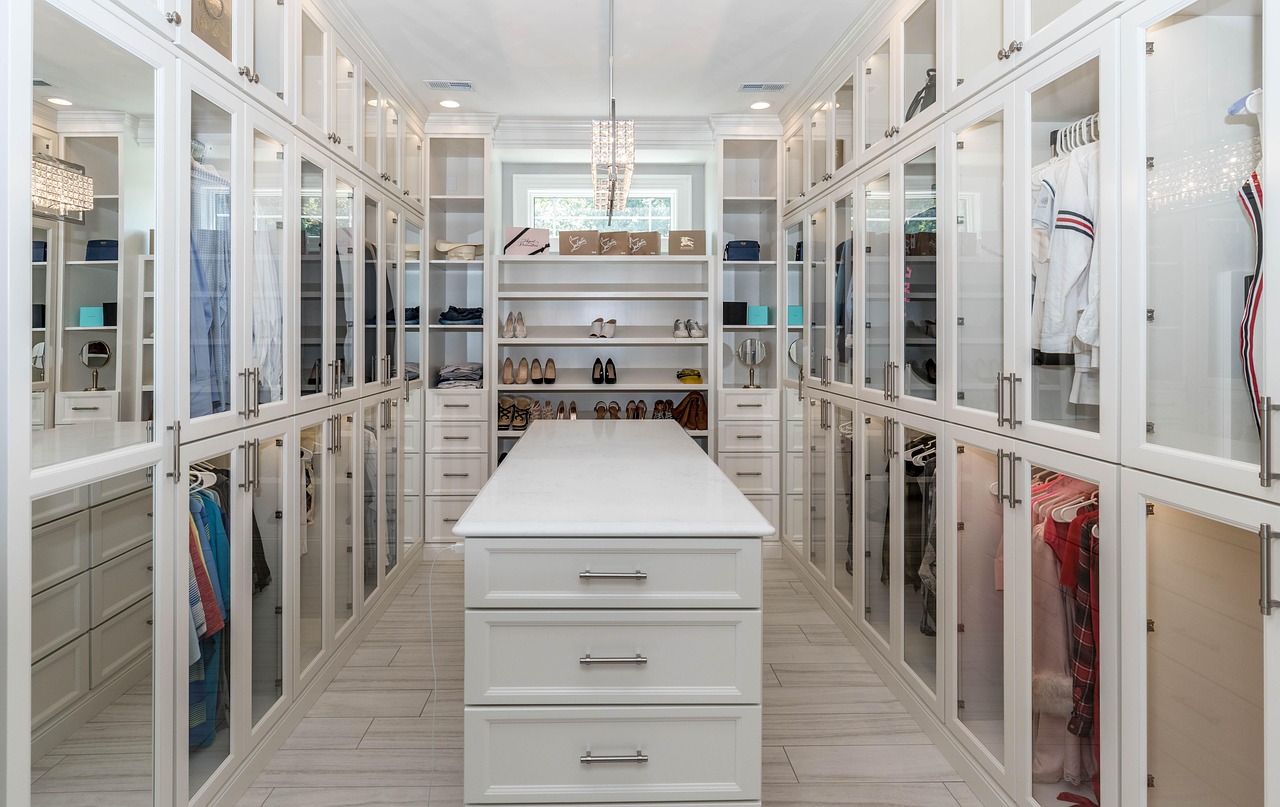
Most walk-in closets you see online fall into one of two camps. Either they’re all white, beige, and grey—minimalist to the point of feeling sterile—or they’re magazine shoots that cost more than a car and look like nobody actually lives in them. An eclectic walk-in closet is the middle path that actually has personality.
Eclectic style in a closet means mixing patterns, colors, textures, and eras in a way that feels intentional rather than accidental. It’s not about throwing everything you like into one room and hoping it works. It’s about curated contrast. A floral wallpaper might sit next to a geometric rug. Velvet hangers hold clothes while woven baskets store accessories. The result is a space that feels collected over time, not ordered from a single catalog.
This approach depends on your closet size. In a smaller walk-in—say 5×7 feet—you’ll want fewer patterns and more texture to create interest. Larger spaces can handle bolder combinations and more layers. The key is that eclectic doesn’t mean cluttered. Every piece should earn its place.

Why Go Eclectic? The Practical Benefits and Tradeoffs
Going eclectic isn’t the easiest route, but it has real advantages over more uniform styles. Here’s the honest breakdown.
What you gain: Flexibility is the biggest benefit. You can incorporate thrifted finds, family heirlooms, or DIY projects without worrying about matching a specific aesthetic. That vintage trunk from your grandmother? It works. Those storage bins you painted yourself? They fit right in. You can build the closet piece by piece over years, which spreads out the cost and lets you refine your taste as you go.
The tradeoff: Eclectic is less forgiving than a monochromatic scheme. When everything is white, bad lighting and mismatched hardware barely register. In an eclectic closet, every choice is visible. The orange storage bin next to the pink wallpaper will either look intentional or like a mistake. Getting it right takes planning time—think several weekends of trial and error, not one afternoon.
There’s also the risk of going too far. Without a unifying element, an eclectic closet can feel chaotic rather than curated. You need a thread that ties it together, whether that’s a consistent color palette, repeated material, or a specific era reference.
For most people, the tradeoff is worth it. An eclectic walk-in closet feels like you, not like a showroom. It’s warmer, more personal, and more interesting to spend time in. If you get bored with sameness, this is the style for you.
Step 1: Setting a Foundation Without Limiting Personality
Before you pick patterns and paint colors, you need a functional skeleton. This is where many DIYers go wrong—they jump straight to the fun stuff and end up with a closet that looks good but doesn’t work.
Start with these non-negotiables:
- A functional layout. Decide where hanging, shelves, and shoes go before you decorate. Measure twice. Think about how you actually use the closet, not how you wish you used it.
- Good lighting. Overhead ceiling lights create shadows. You need task lighting near mirrors, ambient lighting for the overall space, and ideally some directed light on display areas.
- Solid storage. The structure should be sturdy and practical before it’s pretty.
Here’s the important part: choose neutral base elements for permanent fixtures. White, light wood, or dark wood shelving and rods handle any pattern you throw at them. A white shelf system doesn’t compete with floral wallpaper. A dark wood dresser grounds a busy rug. The base is the canvas, not the painting.
If you’re starting from scratch, look for modular systems that can be reconfigured later. IKEA’s Pax system is popular for a reason—it’s affordable, solid, and accepts custom doors and inserts. Elfa, The Container Store, and EasyClosets also offer modular solutions. This approach lets you change your mind in a year without ripping everything out.
Practical tip: Install shelving and rods in neutral finishes (white, black, or brushed nickel). Then add personality through bins, baskets, hangers, and decor. This way, when your style evolves, you’re not stuck with pink shelves.
Step 2: Choosing Patterns That Play Well Together
This is where most people get nervous, and for good reason. Pattern mixing is the hardest skill to master in an eclectic walk-in closet. But there are concrete rules that make it workable.
Rule 1: Use a common color palette. Even if your patterns are wildly different, they should share at least two colors. A floral wallpaper with pink and green can sit next to a geometric rug with pink and navy. The shared pink creates visual harmony. Without a shared palette, patterns clash instead of complement.
Rule 2: Vary the scale. Pair a large-scale pattern with a small-scale one. A big floral print on wallpaper relaxes when you add a small plaid on storage bins. A bold animal print rug looks intentional next to thin stripes on a bench. The contrast in scale creates rhythm instead of noise.
Rule 3: Limit core patterns to 3–4. This isn’t a hard cap, but it’s a good guideline. More than four patterns in a single space starts to look like a sample sale. Stick with three strong patterns and use solids and textures as filler.
An example that works: A zebra print rug (bold, large scale, black and white) with plaid storage bins (medium scale, includes black and a warm accent color) and a striped ottoman (thin stripes, same accent color). Throw in some neutral linen curtains and you have a cohesive eclectic closet.
What to avoid: Don’t put two bold patterns in the same colorway right next to each other. A navy floral wallpaper next to a navy geometric rug will make your eyes work too hard. Keep contrasting patterns separated by solids or neutrals.
Step 3: Balancing Color and Texture for Cohesion
Pattern gets the attention, but texture is what makes an eclectic walk-in closet feel finished. When you have multiple patterns competing, texture absorbs the visual noise.
Think about what texture does: a velvet cushion softens a busy wallpaper. A woven basket breaks up a line of bright bins. A metal hook adds a hard edge to a soft space. Texture creates zones within your closet without adding more pattern.
Here’s a useful adaptation of the 60-30-10 rule for eclectic spaces:
- 60% neutral: Base colors like white, beige, grey, or dark wood. This includes walls, main shelving, and large furniture pieces.
- 30% secondary pattern: Your main pattern choice. Wallpaper, rug, or a statement piece of furniture.
- 10% bold accent: A pop of color or a smaller pattern. This could be a bright ottoman, patterned storage bins, or a piece of art.
Real-world example: I once helped a friend with a closet that had too many prints—floral wallpaper, plaid rug, striped bins, and a geometric chair. It was overwhelming. We added floor-to-ceiling linen curtains in a neutral cream color on one wall, and replaced a few bins with solid white ones. The curtains absorbed the busyness of the wallpaper, and the solid bins broke up the pattern overload. It went from chaotic to curated.
Texture is your safety net. If your patterns start to feel like too much, add texture through fabric, woven materials, or matte finishes. It’ll calm things down without sacrificing personality.

The Best Storage Solutions for an Eclectic Look
Storage in an eclectic walk-in closet has to do double duty: it needs to be functional, and it needs to contribute to the style. Here’s what works.
Patterned storage bins: These are the easiest way to add pattern without commitment. Look for collapsible fabric bins in floral, geometric, or plaid prints. They’re affordable, easy to swap out, and keep clutter hidden. Avoid bins that are too ornate—they waste interior space with decorative details that don’t hold anything. Travelers who need to quickly swap seasonal accessories may benefit from a set of patterned storage bins that blend function with style.
Open shelving with decorative boxes: Open shelves let you display your patterns. Stack boxes in mixed prints to create visual interest while hiding accessories. Mix solid and patterned boxes for balance.
Velvet hangers: These aren’t just for grip. Velvet hangers in colors create a cohesive backdrop for your clothes. A row of pink velvet hangers between floral wallpaper and a plaid rug ties the two together. They’re cheap and effective. Regular users may want to consider a bulk set of colored velvet hangers to add a subtle pattern element throughout the closet.
Clear dividers for accessories: Acrylic dividers keep accessories organized without adding visual weight. They let the patterns around them shine. Look for stackable versions for scarves, belts, or jewelry.
Avoid this if: If your closet is under 5 feet wide, skip overly ornate pieces like carved wood boxes or heavy metal bins. They take up too much visual and physical space. Stick with lighter materials like fabric, acrylic, or slim metal.
Product categories worth exploring: patterned collapsible bins (Amazon has dozens), acrylic shoe shelves, multi-tier hangers for scarves, and colored velvet hangers. Function first, style second. A beautiful storage solution that doesn’t hold enough is wasted space.
Eclectic Lighting: An Overlooked Opportunity
Lighting can make or break an eclectic walk-in closet. Get it wrong, and your carefully chosen patterns look muddy or washed out. Get it right, and they pop.
What to use: Warm LED strips under shelves draw attention to patterns on lower levels without casting harsh shadows. A statement pendant light or chandelier adds pattern overhead—choose one with a colored shade or geometric shape. A patterned lampshade on a floor lamp creates a secondary light source that also contributes to the decor. For a cohesive look, a patterned floor lamp can serve as both lighting and an accent piece.
Color temperature matters: Use warm white LEDs (2700K–3000K) for most of your lighting. Cool white lights (4000K+) make warm colors look drab. If you have a lot of reds, oranges, or yellows in your patterns, cool light will kill them.
Dimmers are essential: Install dimmers on all overhead lights. Being able to adjust brightness levels lets you change the mood from functional (getting dressed in the morning) to atmospheric (evening winding down). Without dimmers, you’re stuck with one lighting level for every occasion.
Common mistake: Installing cool white recessed lights in a closet with warm-toned wallpaper or rugs. The result looks like a doctor’s office crossed with a thrift store. Test your light bulbs with a fabric swatch before buying in bulk.
Common Mistakes When Mixing Patterns in Small Closets
Small closets are where pattern mixing gets tricky. Here are four frequent errors and how to avoid them.
1. Using too many large-scale patterns. In a small space, large patterns crowd the walls. Stick to one large-scale pattern (wallpaper, rug) and keep the rest small or medium. If you wallpaper in a floral, use small-scale checks or solids for bins and accessories.
2. Ignoring sightlines. In a walk-in, patterns clash most when you see them from the same angle. A geometric wallpaper on one wall and a plaid rug on the floor might look fine separately, but if they’re visible together in your peripheral vision, they fight. Test sightlines by looking at the closet from the doorway and from the center of the room.
3. Skipping a unifying element. Without a single thread—a shared color, a repeated material, a consistent shape—patterns feel random. Choose one color that appears in every pattern, even if it’s just a small accent.
4. Over-accessorizing. More stuff doesn’t mean more style. In a small eclectic closet, every object has to earn its place. If you have patterned wallpaper, a patterned rug, patterned bins, and patterned hangers, you’ve gone too far. Edit ruthlessly.

Practical test: Tape fabric swatches or paint chips to your walls and leave them for a week. Look at them at different times of day. If a pattern bothers you after a week, it’ll bother you forever. Change it before you commit.
Eclectic vs. Maximalist: Understanding the Difference
These two terms get used interchangeably, but they’re not the same. Knowing the difference helps you decide which direction suits your closet—and your tolerance for maintenance.
Eclectic: Curated contrast. Fewer items, each with more impact. An eclectic closet might have a zebra rug, floral wallpaper, and a solid teal ottoman. That’s three strong elements with breathing room between them. Everything is intentional, and negative space is part of the design.
Maximalist: Abundance of stuff. Multiple prints layered on prints, objects stacked on objects, colors competing for attention. A maximalist closet doesn’t leave much empty space. It’s busy by design.
Neither is wrong, but they require different approaches. Eclectic is more forgiving for DIYers because you have time to refine each choice. Maximalist requires a trained eye to avoid looking messy. If you’re not sure which you prefer, start eclectic—you can always add more later. Stripping back maximalism is harder.
For most homeowners, eclectic is the safer choice. It gives you personality without demanding the visual literacy of a professional designer. It also ages better. Trends come and go, but a well-curated mix of patterns and textures stays interesting for years.
Budget-Friendly Ways to Add Eclectic Flair
You don’t need a big budget to create an eclectic walk-in closet. Most of the impact comes from small, strategic changes.
Paint existing shelves. Got white or beige shelving? Paint the backs of the shelves a bold color like deep teal, mustard yellow, or blush pink. It adds pattern without buying new furniture. One quart of paint costs under $20.
Patterned contact paper. Apply it to drawer fronts, the inside of open bins, or the back of a bookshelf. It’s removable, affordable, and comes in every pattern imaginable. Look for removable brands if you rent. If you’re feeling adventurous, a roll of patterned contact paper can transform basic surfaces quickly.
Repurpose vintage luggage. Stack old suitcases as side tables or storage. They add pattern through their own colors and textures. You can find them at thrift stores for $10–$30 each.
Sew custom fabric bins. If you have basic sewing skills, buy discounted upholstery fabric and make your own storage bins. You control the pattern and size. Total cost is often under $15 per bin.
Spend on statement items. Put your money toward one or two pieces that anchor the room: a patterned ottoman, a statement pendant light, or a vintage rug. Save on everything else. Solid-color bins, plain hangers, and basic shelving are fine as long as the big pieces have personality.

Bringing It All Together: A Sample Layout Walkthrough
Let’s walk through a hypothetical 7×10 foot walk-in closet to see how these principles play out in an actual space.
Layout: The closet has two long walls for hanging and a back wall with a window. The window wall gets a bench and some open shelving.
Walls and floor: Vertical striped wallpaper on one long wall (thin navy and white stripes). The rest of the walls stay a warm cream color. The floor is light wood laminate with an animal print carpet runner down the center. The stripes draw the eye up, making the room feel taller. The animal print adds movement on the floor.
Seating: A solid teal ottoman sits under the window. Teal appears in small amounts in the wallpaper and carpet, so it ties the room together. The solid color gives the eyes a rest from the patterns around it.
Storage: Woven baskets on upper shelves hold off-season clothes. They add texture without pattern. Open hanging rods on both sides hold clothes—the sleeves and fabrics themselves add visual variety. A small dresser with mismatched knobs (one brass, one ceramic, one glass) anchors the back wall. The mismatched knobs echo the eclectic theme without being loud.
Lighting: A warm-toned pendant light with a woven shade hangs in the center. LED strips under the shelves highlight the baskets and folded items. Dimmer switch on the wall.
Why this works: Every choice supports the eclectic theme without overwhelming. The stripes and animal print provide pattern. The cream walls and solid teal ottoman provide breathing room. The textures (wicker, velvet, metal, wood) add depth. The mismatched knobs are a small detail that reinforces the style. It’s eclectic, not maximalist.
Final Checklist for Your Eclectic Walk-In Closet
Before you start shopping or building, run through this checklist:
- Choose a neutral base. White, light wood, or dark wood for permanent fixtures. Pattern goes on top, not into the structure.
- Limit patterns to 3–4. One large-scale, one or two medium, one small. Mix scales for rhythm.
- Balance with texture. Woven, velvet, metal, and wood break up pattern overload. Add texture when a space feels busy.
- Test before committing. Tape swatches, use temporary contact paper, leave things up for a week. Don’t rush.
- Prioritize function. Storage must hold what you need. A beautiful closet that doesn’t work is frustrating, not inspiring.
Ready to get started? Find your options for patterned storage bins, velvet hangers, and modular shelving systems that fit your space and budget. The right pieces are out there—you just need a plan that lets them work together.