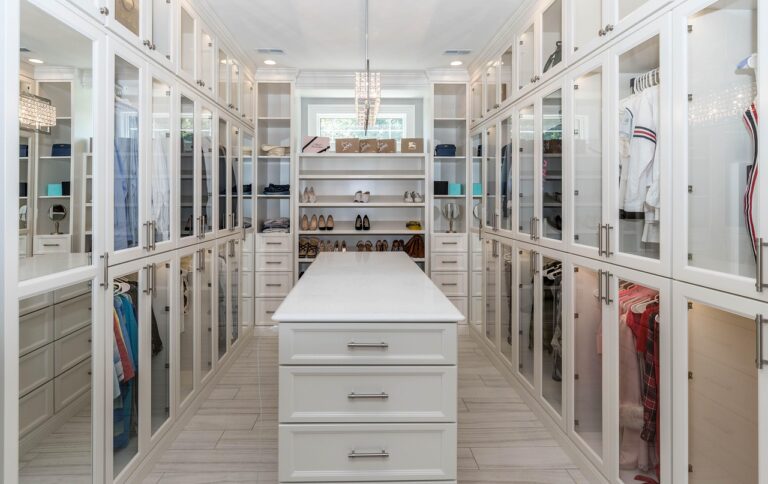
Rustic Walk-In Closet Designs: Wood, Iron, and Warmth
What Defines a Rustic Walk-In Closet?
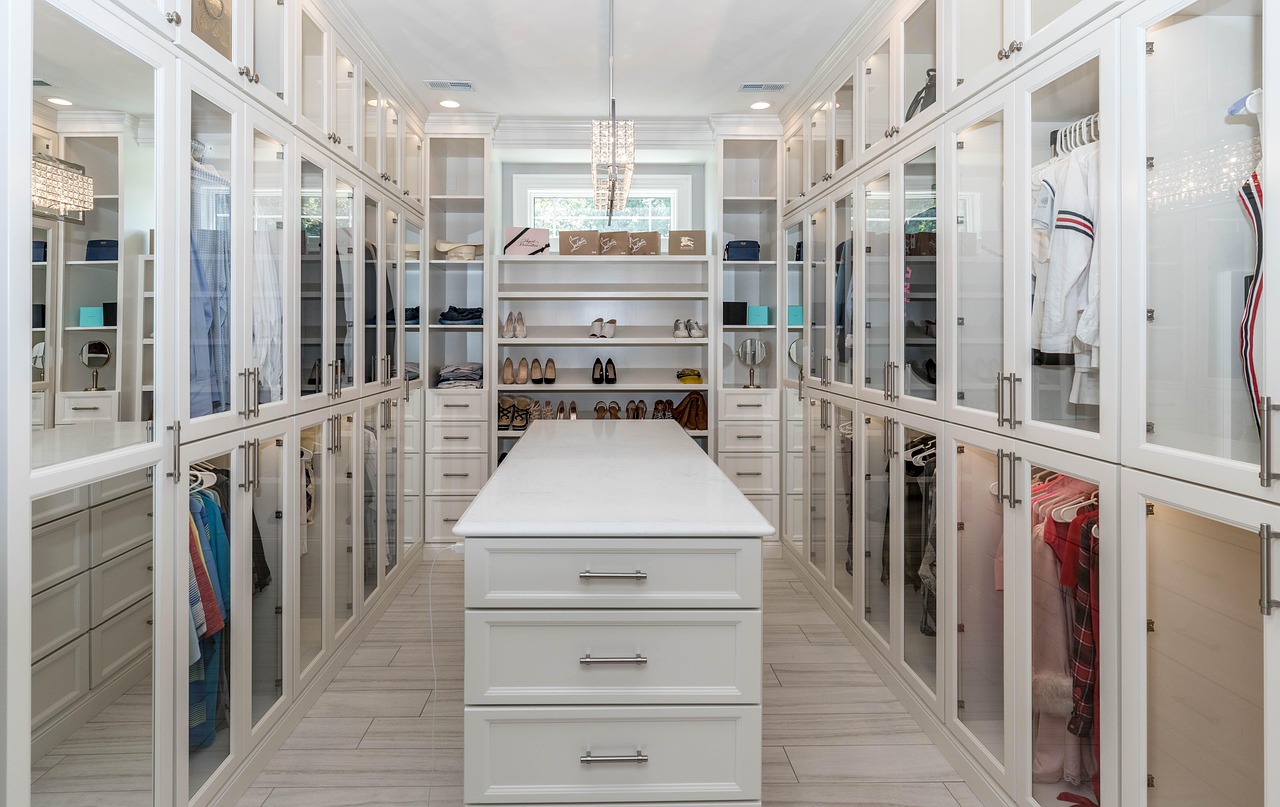
A rustic walk-in closet goes beyond barn wood on a wall. It’s a design approach built around natural materials, honest craftsmanship, and the kind of warmth many modern, minimalist spaces lack. Think reclaimed wood, wrought iron, natural stone, and textiles that feel good to the touch. The goal is a space that feels lived-in, comfortable, and functional.
This style borrows from farmhouse and cabin aesthetics but has its own identity. Farmhouse leans toward whitewashed finishes and shiplap, while industrial design emphasizes exposed brick, concrete, and metal. A rustic walk-in closet blends the best of both worlds: raw wood texture and the lasting strength of iron, softened by warm lighting and cozy textiles. The result feels like a retreat, not a showroom.
Practically speaking, the materials in a rustic closet are chosen for durability as much as appearance. Reclaimed wood is often harder and more stable than new lumber. Iron hardware is built to last. Warm lighting isn’t just for ambiance—it reduces harsh shadows and makes the space feel larger and more inviting. If you’re considering this design, you’re after a closet that functions well and improves with age.

Key Materials: Wood, Iron, and Warmth
The success of any rustic walk-in closet comes down to three key material choices. Here’s what you need to know.
Wood Choices
Cedar is a top pick for good reason. It naturally repels moths and has a pleasant, distinct aroma. It’s also relatively soft, meaning it can dent more easily—but that often adds to its rustic charm. Expect to pay a premium for cedar shelving, typically $6–$10 per board foot.
Oak is the workhorse. It’s extremely hard, durable, and takes stains well. White oak, in particular, has a beautiful grain that works in both light and dark finishes. Costs are moderate, around $5–$8 per board foot for unfinished lumber.
Reclaimed wood has the most character, but it’s also the most variable. You’ll get nail holes, saw marks, and a weathered patina that’s impossible to replicate. Prices range from $8–$20 per board foot depending on the source and type. The biggest tradeoff is availability—you’ll need to stay flexible with your design to work with what’s available. Homeowners who source their own lumber might find it useful to browse salvaged wood shelving options online to get a sense of pricing and availability.
Iron Finishes
Black iron is the classic choice. It reads as rugged and industrial, and it’s tough. Matte black finishes hide fingerprints well and work with any wood tone. Aged iron or “rustic black” finishes have slight texture and color variation that add depth without being distracting. Bronze offers a warmer alternative that pairs particularly well with lighter woods like pine or ash.
The key with iron is consistency. Mixing black iron with oil-rubbed bronze in the same space often looks disjointed. Pick one finish and stick with it for hooks, rods, and hinges. If you want to add instant character, wrought iron closet hooks can help create a cohesive look.
Creating Warmth
Warmth isn’t just a feeling—it comes from careful choices. Lighting with color temperatures between 2700K and 3000K brings out the reds and browns in wood while softening the contrast of dark iron. Textiles like wool or linen rugs, leather ottomans, and woven baskets add softness without cluttering the visual space.
Consider starting with your shelving system. Then add black iron hooks for daily use items. Finally, a warm dimmable pendant light will set the tone for the whole space.
Choosing the Right Layout for Your Space
Layout is where many people either nail the design or regret their choices. The shape of your closet dictates what’s possible, and there are clear tradeoffs for each.
L-shaped layouts are common in medium-sized walk-ins (roughly 5×7 feet or larger). They offer a good balance of hanging space, shelving, and floor area. The corner can be tricky—consider a corner rod system that lets you access both sides without wasted space.
U-shaped layouts are the gold standard for storage capacity. They require at least 6 feet of width on each side and a minimum 4-foot walkway in the center. This layout gives you three full walls of storage, ideal for serious shoe and accessory collections. The downside is it can feel cramped if not well lit, so prioritize lighting in the planning phase.
Single-wall layouts are for smaller spaces, like a converted bedroom or a wide hallway. You lose the “walk-in” feel but gain flexibility. Use tall vertical storage and a mirror to create depth. This layout works best when you invest in quality, visible hardware since everything sits on one plane.
For awkward corners or angled ceilings, don’t force standard cabinetry. Custom-built shelving that follows the roofline is actually more rustic and authentic. Use low-height areas for shoe cubbies or drawers, and taller sections for hanging rods.

Shelving and Storage Options That Fit the Aesthetic
The storage decisions you make here determine how the closet feels on a daily basis, not just how it looks in photos.
Open shelving is the default for rustic design, and for good reason. It showcases the wood, keeps everything visible, and encourages you to stay organized. The downside is that dust collects faster, and clutter is always visible. If you choose open shelving, commit to maintaining it. Decorative wire storage baskets or wooden crates can slide into open cubbies for items you’d rather keep behind a visual barrier.
Closed cabinets hide clutter, but they can break the rustic flow if they’re too modern. Look for cabinet fronts with visible wood grain and simple iron or leather pulls. A good compromise is a base cabinet with open shelving above—functional and visually balanced.
Cubbies are excellent for shoes and folded items. They keep everything separated and easy to grab. For a DIY-friendly approach, build cubbies from plywood and face them with reclaimed wood strips. Leather pulls add a tactile, durable finish that ages nicely.
When deciding between built-in vs. modular, consider your timeline. Built-ins offer a perfect fit and permanent quality but require professional installation and longer lead times. Modular systems can be installed over a weekend and are easily reconfigured later. The material quality won’t match real wood built-ins, but the cost difference is significant—often $1,000–$2,000 for modular versus $4,000–$8,000 for built-in.
Lighting to Enhance the Rustic Vibe
Lighting is perhaps the most underestimated element in any rustic walk-in closet. Bad lighting can make beautiful wood look flat, while good lighting can make modest materials look rich.
Pendant lights are a natural fit. A single black iron or bronze pendant with a warm Edison bulb creates a focal point and casts light in a wide pattern. For larger closets, consider two pendants spaced evenly, or a chandelier-style fixture with multiple arms. Avoid anything with a bright white or cool-tone metal finish—it will clash with the rustic palette.
Wall sconces are excellent for task lighting near mirrors or dressing areas. Look for adjustable swing-arm sconces in black or aged iron. They provide focused light without taking up floor space.
Track lighting is practical for long, narrow closets. Choose matte black tracks and place them to illuminate shelving rather than the center of the room. This highlights what you have stored and reduces shadows in corners.
Regardless of fixture type, dimmers are non-negotiable. They let you adjust the mood and reduce harsh overhead light when you’re not actively searching for something. Install a simple dimmer switch for less than $20, and you’ll wonder why you didn’t do it sooner.
If your closet has any access to natural light, maximize it. A small window or skylight can transform a dark, cave-like space into something that changes beautifully throughout the day. Just keep the window covering simple—natural linen or a wooden blind. For those setting up lighting, a dimmable Edison bulb set is worth considering for the right ambiance.
Hardware and Accents: The Details That Matter
The hardware is where you feel the quality of a rustic walk-in closet every single day. Cheap metal knobs can undermine all the effort you put into wood and lighting.
Cabinet pulls should be substantial. Look for iron or bronze pulls that are chunky enough to grip comfortably. Avoid thin, delicate designs—they feel wrong with the rustic weight. A set of wrought iron cabinet pulls runs $3–$8 each and makes a meaningful difference.
Hooks are essential for daily use. A row of black iron hooks near the door catches jackets, bags, and scarves. Choose hooks with a slight curve to prevent items from slipping off. Consider heavy-duty iron hooks for outerwear to avoid damage over time.
Closet rods need to be sturdy enough to handle a full load of clothes. Wood rods with iron brackets are the most rustic option. Make sure the brackets are securely anchored into studs—drywall anchors won’t hold up long under the weight of multiple garments.
Decorative ironwork like vent covers, shelf brackets, or even a small iron grille can tie the look together. These are small touches that reward close inspection.
For finish consistency: stick with one metal family. Black iron pairs with everything. Bronze adds warmth but should be echoed throughout the space. Avoid brass unless you’re going for a more refined, less purely rustic look—it can read as dated if not done carefully.
Flooring Options for a Rustic Closet
Flooring in a closet is often an afterthought, but it’s the surface you stand on every day. The right choice affects comfort, durability, and how the closet feels underfoot.
Hardwood is the classic choice. It’s durable, timeless, and pairs naturally with wood shelving. The main downsides are cost (typically $8–$15 per square foot installed) and sensitivity to moisture. In a closet without ventilation, moisture can be a real problem.
Engineered wood is a practical middle ground. It offers the look of hardwood at a lower price point ($4–$8 per square foot) and is more resistant to moisture and temperature fluctuations. For a closet, this is often the smarter choice.
Porcelain tile (wood-look) is the most durable option. It can replicate the appearance of reclaimed wood planks with near-zero maintenance. It’s cold underfoot, so a washable wool area rug becomes essential. Tile installed well is expensive, but it lasts forever.
Carpet is controversial. It’s soft and warm, but it traps dust, lint, and moisture. In a closet where you’re constantly walking in and out, it requires regular vacuuming. If you choose carpet, go with a low-pile option and use a high-quality pad underneath.
An area rug is your best bet for adding warmth without committing to carpet. A natural jute or wool runner adds texture and can be removed for cleaning.
Common Mistakes When Designing a Rustic Walk-In Closet
Experience teaches hard lessons. Here are the mistakes I’ve seen repeatedly, and how to avoid them.

Overusing dark wood. Dark walnut or espresso-stained oak looks dramatic in small doses, but when used on every surface, it absorbs light and makes the space feel like a cave. Balance dark wood with lighter options like pine, ash, or even a whitewashed oak. A 60/40 mix of light to dark usually works well.
Mismatched metal finishes. I’ve seen closets with nickel rods, bronze hooks, and black iron knobs. It looks chaotic. Pick one metal finish and use it consistently across hardware, fixtures, and accents. If you want variation, use the same family (e.g., black iron in matte and textured finishes).
Ignoring ventilation. A rustic closet with real wood and natural materials needs airflow. Without it, you risk mildew and musty smells. Install a small ceiling fan or ensure there’s at least a gap under the door for air circulation.
Poor lighting placement. A single central light fixture creates shadows on your shelving. Place lights directly above or in front of storage areas. If possible, have layered lighting: ambient, task, and accent.
Sacrificing function for aesthetics. That vintage trunk might look great as a shoe storage solution, but if you can’t reach the shoes without pulling the trunk out, you’ll abandon it quickly. Function must lead every decision. The aesthetic should support the function, not the other way around.

Rustic Walk-In Closet on a Budget: Tradeoffs to Consider
Not everyone has the budget for a custom-built closet, and that’s okay. The trick is knowing where to save and where to invest.
Saving opportunities:
- DIY shelving: Basic shelving from pine boards and simple brackets costs less than $100 for a small closet. Sand and stain it yourself for an authentic look.
- Flea market finds: Old wooden crates, metal baskets, and vintage hooks can be had for a fraction of new prices. They add instant character.
- Modular systems: A basic modular setup from a big-box store can be dressed up with rustic hardware and a coat of stain.
Investing wisely:
- Quality iron hardware: Cheap hooks bend and break. Good iron lasts decades. Spend the money here—it’s a small expense for a lifetime of use.
- Lighting fixtures: A well-made pendant or sconce sets the entire tone. This is not the place to cut corners.
Here’s a rough budget range for a medium-sized (5×7) closet: $800–$1,500 for a DIY approach using modular shelves and flea market finds. $2,500–$4,000 for a semi-custom look with quality wood and professional lighting. $5,000+ for a fully built-in custom installation with premium materials.
The biggest tradeoff is time versus money. You can save significantly by doing the work yourself, but expect to spend multiple weekends on it. If you trade money for time, you’re paying for convenience and consistency.
Real-World Inspiration: Small vs. Large Spaces
Let’s look at two real-world examples to see how these principles come together.
Compact 4×6 Closet (Small)
This space was created from an unused corner of a master bedroom by framing in a dedicated closet area. The walls were finished with vertical shiplap painted a warm white to keep the space feeling open. Shelving was built from clear pine boards, stained a light driftwood color. Black iron pipe rods double as hanging space and visual anchors. A single black iron pendant with an Edison bulb provides the only light but is more than sufficient. Storage includes three rows of open shelving for folded items and a double hanging rod. Total cost was around $900, including the shiplap and hardware. The key lesson: light finishes and consistent hardware make a small space feel intentional, not cramped.
Spacious 8×10 Walk-In (Large)
An 8×10 room was fully converted into a dressing room. The layout features a U-shaped configuration with a central ottoman. Reclaimed oak shelves run floor-to-ceiling on two walls, while the third wall holds a full-length mirror flanked by sconces. The flooring is engineered wood in a warm honey tone. Hardware is all aged iron, including the cabinet pulls and a chandelier-style light fixture. A large wool Berber rug anchors the seating area. The project cost roughly $6,500 but created a space that feels like its own room, not just storage. The key lesson: with more space, you have room for abundant storage and comfortable zones for dressing. Frequent users may benefit from a rustic storage ottoman for extra seating and hidden storage.
Who Is a Rustic Walk-In Closet Best For?
This design style isn’t for everyone, and that’s fine. It’s best suited for homeowners who:
- Appreciate natural materials and their imperfections (knots, grain variations, patina).
- Prefer a warm, lived-in feel over sterile minimalism.
- Are willing to maintain wood surfaces with periodic cleaning and conditioning.
- Value craftsmanship and are willing to invest in quality where it counts.
It may not be ideal if you prefer clean lines, glossy finishes, or zero maintenance. A rustic closet is a living space that ages and changes. That’s exactly what makes it appealing to the right person.
Final Tips for Executing Your Design
If you’re ready to move forward, here’s how to start. Begin with a plan—sketch your space and measure everything twice. Source materials carefully, and don’t rush the selection of wood and hardware. These two elements determine 80% of the final look. Balance is critical: too much wood feels heavy, too much iron feels industrial. Aim for a 70/30 ratio of wood to metal in your visible fixtures.
Lighting should be the first thing you install, not the last. Once the space is lit properly, you’ll see exactly how your materials interact. And remember, you don’t have to do it all at once. Start with one wall of shelving and build from there as your budget and confidence grow.
Ready to bring warmth and character to your closet? Start designing your dream setup today.