Mid-Range vs. Luxury Closet: Is the Investment Worth It?
Introduction
When you start planning a custom closet, the first real fork in the road is deciding whether to invest in a mid-range system or go all-in on a luxury setup. It’s a question of budget, yes, but also of priorities, long-term plans, and how much you value the daily experience of using your space. This article breaks down the tradeoffs between mid-range and luxury systems so you can decide where your money is best spent. We’ll look at materials, features, longevity, and the overall experience to help you determine if a luxury closet investment is right for you—or if a well-planned mid-range system will serve you just as well. This is for homeowners who are actively researching and want to understand the real-world differences before committing thousands of dollars.

What Defines a Mid-Range Closet System?
A mid-range closet system is typically a modular or semi-custom solution. Think brands like Easy Track, ClosetMaid, or the IKEA PAX system. These are designed to be accessible, functional, and relatively straightforward to install. The materials are usually practical rather than premium: melamine, laminate, or coated wire. You’ll find adjustable shelving, basic hanging rods, and perhaps a few standard-sized drawers. The cost per linear foot generally falls between $50 and $150, depending on the complexity and finish.
The biggest draw here is the DIY-friendly nature. Many homeowners can install a mid-range system in a weekend with basic tools, or hire a handyman for a modest fee. You’re trading custom fit and luxury materials for predictability and budget control. It’s a solid solution for a spare bedroom closet, a child’s room, or even a primary closet if your wardrobe is straightforward and you don’t need specialized storage. The standard finishes are limited—white, black, a few wood tones—but they work well in most spaces. A mid-range system solves the problem of ‘stuff on the floor’ without trying to be a design statement.
What Actually Counts as a Luxury Closet?
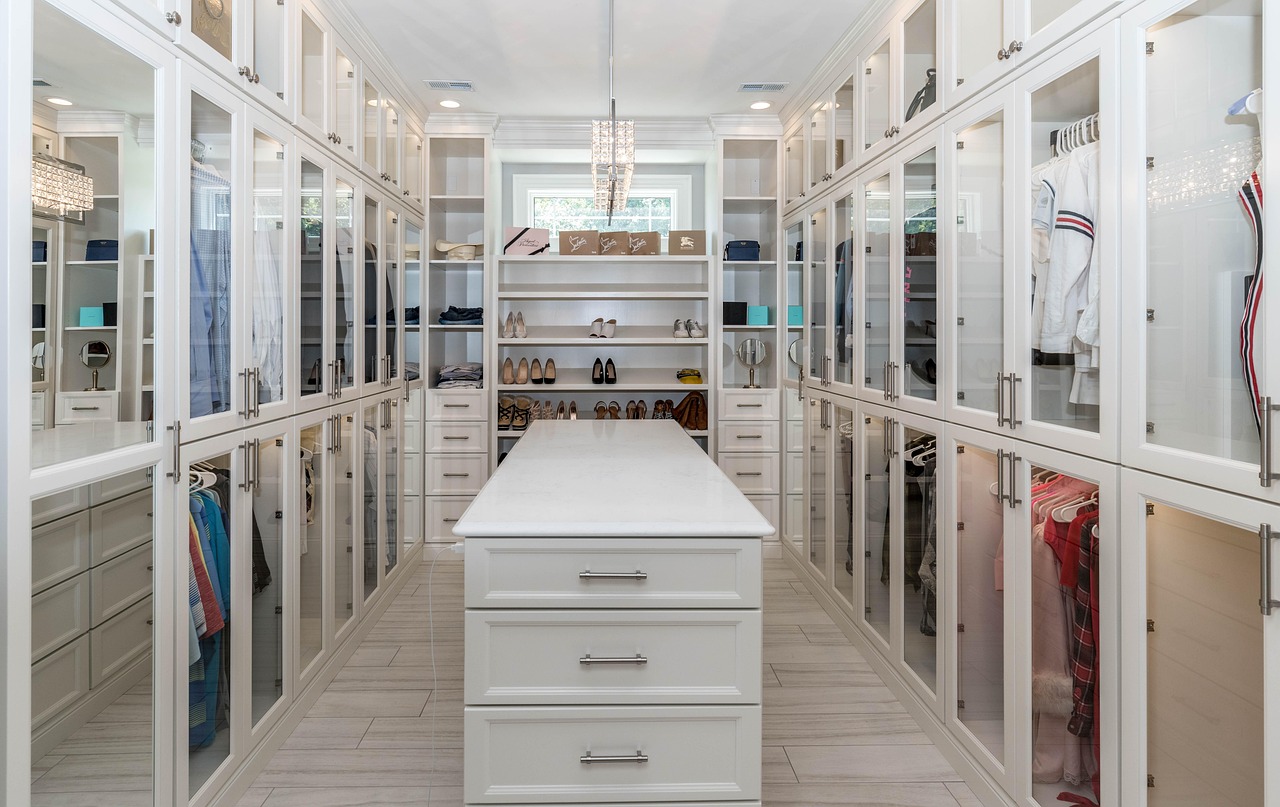
Stepping into a luxury closet is a different experience entirely. This is fully custom work. It’s not about boxes you assemble; it’s about cabinetry built to your room’s exact dimensions, often by companies like California Closets, Closets by Design, or a local custom millwork shop. The materials are where you see the first major leap: solid wood, book-matched veneers, leather-wrapped drawer inserts, and high-gloss lacquers. Hardware is equally elevated—soft-close doors and drawers, full-extension slides, push-to-open mechanisms, and high-end handles.
The price tag reflects this. You’re looking at $500 to $1,500+ per linear foot, which means a 10×10 reach-in closet can easily run $10,000 or more before you add any specialty features. But that cost includes more than just materials. It typically covers an in-home design consultation, a dedicated project manager, professional installation, and a warranty. You also get access to a much wider range of options: integrated LED lighting with motion sensors, pull-out valet rods, built-in laundry hampers, display shelving for handbags, and custom jewelry drawers with velvet lining. It’s a space designed not just for storage, but for daily pleasure and efficiency. The luxury closet is often a centerpiece of a master suite renovation.
Comparing Price Points: What Your Money Buys
Let’s make this concrete. For a 10-foot by 10-foot reach-in closet, here’s what a typical budget looks like:
- $3,000 Mid-Range System: You get a complete modular setup from a brand like IKEA or ClosetMaid. This includes a combination of hanging rods, adjustable shelves, a few basic drawers, and standard wire baskets. You’ll install it yourself, and the finish will be a standard laminate or melamine. It solves the storage problem, but it won’t feel particularly special.
- $8,000–$12,000 Luxury System: For the same footprint, you get a fully custom design. You’ll have a consultation, and the cabinets will be built to your exact specifications. Materials shift to plywood or solid wood with your choice of stain or lacquer. Hardware is premium soft-close. You can add interior lighting, a dedicated shoe wall, a built-in hamper, and custom organized drawers. Installation and a solid warranty are included.
The difference isn’t just about spending more money. It’s a fundamentally different product. The luxury closet investment buys you design expertise, a better end product, and a turnkey experience. The mid-range system buys you function at a lower upfront cost. Both can store your clothes, but they serve very different needs. For homeowners planning to stay in their home for over a decade, the gap in experience and durability often justifies the higher price.

Where the Extra Money Goes: Materials, Craftsmanship, and Details
If you’re trying to decide if the luxury price tag is reasonable, look at the materials and construction. A mid-range system uses particleboard or MDF with a laminate or foil wrap. This is functional but not durable. It can chip, sag under heavy loads, and the edges can peel over time. Hardware is basic: standard hinges and slides that can get noisy or stick after a few years.
Luxury closets are a different league. Cabinet boxes are made from furniture-grade plywood or solid wood. The joinery is precise—dowels and screws rather than cam locks. This means the structure is stronger and won’t sag or twist. Hardware is a major upgrade: soft-close mechanisms are standard, and full-extension drawers let you see everything without digging. Finishes are applied by hand or sprayed in a controlled environment, giving you a depth and richness that foil can’t match. You also get details that make daily use more pleasant: LED strips that illuminate hanging rods, pull-out valet hooks for planning outfits, and perfectly fitted inserts for watches or ties. The luxury closet investment pays for craftsmanship and longevity. For homeowners who use their closet every single day, those details matter immensely.
Functionality and Storage: Do You Actually Need More?
This is where you need to be honest with yourself. A mid-range system provides basic storage. You have a rod for hanging, a shelf above it, and maybe a few drawers. It works for a simple wardrobe. But most people have more than they think. A mid-range system often wastes vertical space because shelves are fixed at standard heights. You end up with dead space above a shelf or rods that don’t accommodate both long dresses and pants.
A luxury system maximizes every inch. Designers measure your specific items. They create zones for long hang, short hang, folded sweaters, shoes, handbags, and accessories. They build pull-out racks for belts, trays for ties, and hidden compartments for valuables. The result is that a well-designed luxury closet can hold up to 50% more usable items than a mid-range system in the same footprint. That’s not hype—it’s the difference between generic modules and custom planning. If you have an extensive wardrobe, you hate digging through piles, or you want everything to have a place, the extra functionality of a luxury system directly solves those problems. If your wardrobe is modest and you’re not fussy about organization, a mid-range system will likely serve you well.
The Experience Factor: Design, Installation, and Support
Buying a mid-range system is a transactional process. You measure your space, go to a website or store, pick your components, and order. If you do it yourself, you’re responsible for making it work. If you hire a handyman, they will assemble and mount the boxes, but you’re the one who planned the layout. It can be satisfying if you enjoy DIY, but it also leaves room for error. If something breaks, you deal with the manufacturer’s support line or buy a replacement part.
A luxury closet is a service. From the moment you call, you’re guided. A designer comes to your home, measures everything with a laser, and asks about your wardrobe habits. They present a 3D rendering. They order everything. The installation team arrives, does the work, and cleans up. If you notice a scratch or something doesn’t feel right, you call one person. The luxury closet investment buys you convenience and peace of mind. For homeowners who are busy, who don’t enjoy renovation logistics, or who want a guaranteed outcome, that experience is valuable. It’s not just about the final product—it’s about the process getting there. For a project that costs thousands and will be used for years, the reassurance can be worth the premium.
How Long Will It Last? Durability and Lifespan
This is a critical question when evaluating a luxury closet investment. A mid-range system built from melamine or wire is not designed for a lifetime. With normal use, you can expect 5 to 10 years before you start seeing issues: shelves sagging, drawer slides binding, corners chipping, or the finish peeling. It can be replaced, but that’s another project and another expense. These systems are often considered semi-disposable.
A luxury system built from solid wood or high-grade plywood will last 20 years or more. The hardware is rated for tens of thousands of cycles. If you need to reconfigure it later, many luxury systems are designed to be reconfigured with new inserts or panels. This longevity also adds value to your home. Real estate agents note that a well-finished custom closet can increase a home’s perceived value, especially in competitive markets. For a home you plan to sell in the next few years, that can be a return on investment. For a home you plan to stay in, the daily enjoyment and lack of wear and tear justify the upfront cost. If you’re in a rental property or a home you plan to sell quickly, a mid-range system may be the smarter financial move.
Common Mistakes When Deciding Between Mid-Range and Luxury
Many homeowners make predictable errors when choosing. One of the most common is underestimating the total cost of a luxury system. Beyond the consultation, you may need electrical work for lighting, premium hardware upgrades, or additional trim to match your baseboards. Always get a full, itemized quote before committing.
Another mistake is overbuying for a small closet. If you only have a standard reach-in and your wardrobe is minimal, a luxury system will feel excessive. The space simply can’t showcase the materials and details. On the flip side, many homeowners assume a mid-range system can’t be customized at all. That’s not true. With modular brands, you can mix and match components to fit non-standard spaces, but it requires more work and planning from you. For example, travelers who need to organize accessories might benefit from a closet organizer accessory to add functionality without a full custom build.
Ignoring resale value is another error. If you’re in a high-end neighborhood, a mid-range closet may actually hurt your home’s appeal to buyers who expect a certain finish. Conversely, don’t spend premium dollars on a rental property or a home you plan to sell within five years. Finally, don’t skimp on hardware. A beautiful wood finish is wasted with cheap hinges that bind after a year. If you go mid-range, upgrade the slides and hinges. If you go luxury, make sure the hardware matches the quality of the cabinets.
Who Should Invest in a Luxury Closet?
There are clear scenarios where the luxury closet investment is the right call. You are the ideal candidate if:
- You plan to stay in your home for 10+ years and want a lasting, durable solution.
- You have an extensive wardrobe with a lot of specialty items (dresses, suits, shoes, handbags, accessories).
- You value daily aesthetics and convenience and are willing to pay for a space that feels like a retail boutique.
- You are selling a high-value property and want to impress buyers with a premium finish that increases resale appeal.
On the other hand, a mid-range system is better for:
- Budget-conscious renovators who need to control costs on a whole-home project.
- First-time homeowners who may not know exactly what they need yet.
- Homeowners with simple, small wardrobes or those in a property they won’t keep long-term.
- DIY enthusiasts who enjoy the process of planning and assembly.
If you’re in the middle, consider that targeted upgrades on a mid-range system can often bridge the gap without a full luxury budget.
Practical Upgrades That Bridge the Gap
You don’t have to choose all-or-nothing. Many homeowners start with a mid-range system and add key luxury features over time. These upgrades can dramatically improve the feel and function of your closet without requiring a full custom build.
Start with hardware. Replacing standard hinges and drawer slides with soft-close versions is one of the best value upgrades. It costs around $30 to $50 per drawer and makes the entire system feel premium. If you are dealing with a standard system, soft close drawer slides are a simple way to reduce noise and improve daily use. Next, add lighting. Battery-operated LED puck lights or stick-on strip lights can be placed under shelves or inside hanging rods to give your closet a high-end glow. A simple motion-sensor light for the main area is another affordable upgrade that makes a big difference in daily use.
Organization accessories are another easy win. Velvet hangers take up less space and keep clothes from slipping. Pull-out pants racks or belt racks can be added to existing shelving. Customized drawer dividers for socks, underwear, and accessories are inexpensive and transform a messy drawer into a neat one. Finally, consider a valet rod or a pull-out hook for planning outfits. These small touches are often the difference between a functional closet and one that feels genuinely luxurious. By adding these upgrades gradually, you can get much of the experience of a luxury system while staying within a mid-range budget.

Final Verdict: When Does the Investment Make Sense?
The luxury closet investment makes sense when you are planning for the long term, have a wardrobe that demands better organization, or simply want a daily experience that feels special. For homeowners who will be in their home for a decade or more, the durability, customization, and resale value often justify the higher upfront cost. For those with a simpler wardrobe or a shorter timeline, a well-planned mid-range system with targeted upgrades offers excellent value and can still feel polished and functional. Beginners who are starting their closet journey might find a closet organizer starter kit a useful foundation to build upon.
There is no single right answer. The decision comes down to your budget, how long you plan to stay, and how much you value daily convenience and aesthetics. Take time to consider your wardrobe and your lifestyle. Look at your options, get quotes, and be realistic about what you need. Start designing your dream setup today—whether that means planning a custom luxury build or choosing a modular system you can enhance over time.