Closet Resale Value: Do Closets Actually Sell Houses?
The Bottom Line: Do Closets Increase Home Value?
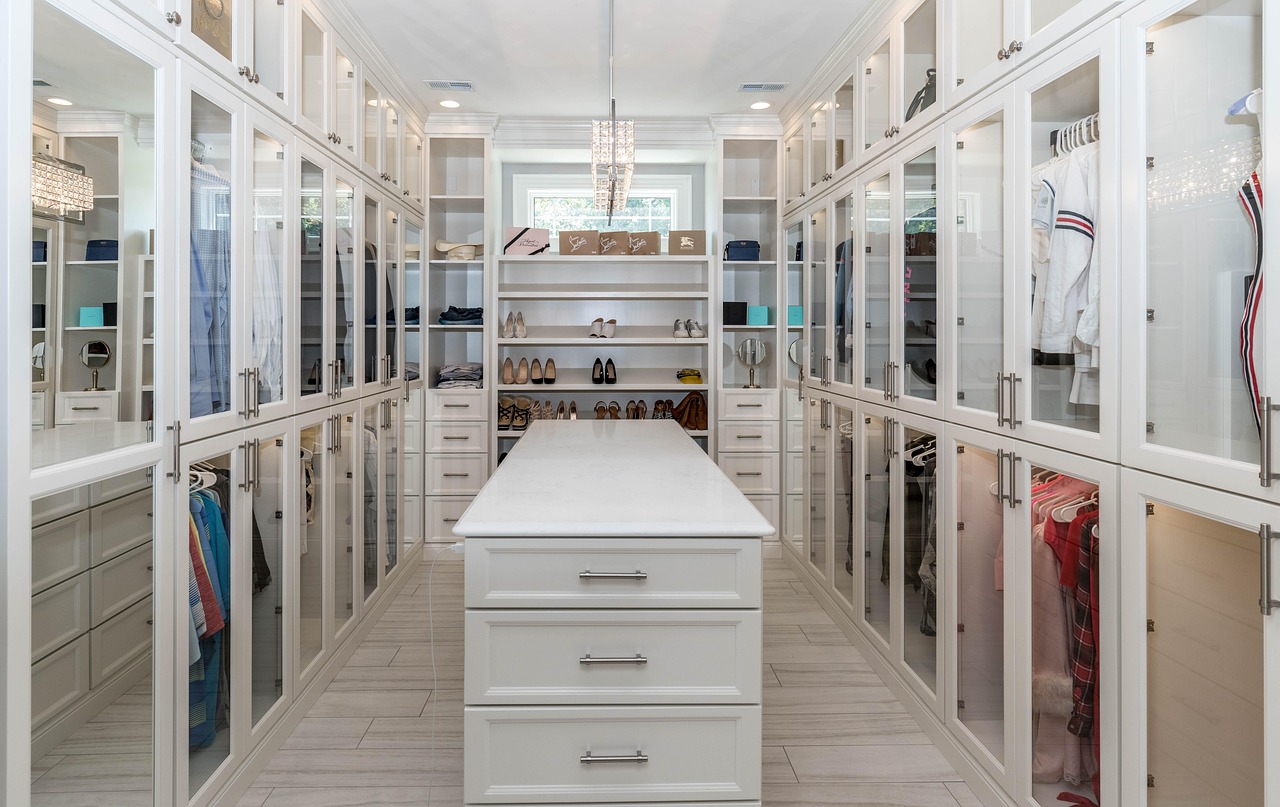

Let me start with a clear answer: yes, closets can increase your home’s resale value, but it’s not a guarantee. The truth is more nuanced than a simple yes or no. Based on what I’ve seen in the market and feedback from real estate agents I work with, the closet resale value depends heavily on three things: your market, the size of the closet, and whether it’s in the primary bedroom.
A walk-in closet in the master suite is consistently one of the top features buyers request. Some surveys show that over 50% of buyers consider closet space a critical factor in their decision. But here’s the catch: not all closets are created equal. A poorly designed or oddly placed closet can actually detract from value. I’ve walked through homes where a massive walk-in was added by sacrificing a bedroom’s square footage, and the result was a cramped room that didn’t appeal to anyone.
So yes, closets matter. But the return on investment varies widely. In a suburban family home, a well-designed walk-in can help your house sell faster and for more money. In a downtown condo, a reach-in with good shelving might be all you need. The key is understanding what your specific buyers actually want.
What Home Buyers Actually Care About (Closet Edition)
When I’m showing homes, I pay close attention to what buyers comment on. Here’s what actually matters to them when they open that closet door:
- Size matters, but not how you think. A walk-in closet is almost always preferred over a reach-in in the primary bedroom. Buyers want to see enough space to walk in and turn around without bumping into clothing. But a closet that’s too large at the expense of the bedroom itself is a dealbreaker. The sweet spot is a walk-in that’s at least 5×6 feet – enough for two people to move comfortably.
- Lighting is everything. I can’t tell you how many times I’ve seen a good closet ruined by a single, dim overhead light. Buyers notice bad lighting immediately. They want to see their clothes clearly. A simple LED strip or a pendant light can transform a dark cave into a functional space.
- Organization sells. Shelving, hanging rods, and drawers that make sense for clothes matter more than fancy finishes. Buyers don’t care about custom millwork as much as they care about having a place for everything. I’ve seen a $200 shelving system from The Container Store make a bigger impact than a $2,000 custom unit. For a practical and flexible option, adjustable closet shelving systems are worth considering if you want similar results without the high price tag.
- Location is key. A walk-in closet directly off the master bathroom is gold. A reach-in in the hallway is fine for secondary bedrooms but doesn’t move the needle. Buyers want convenience and flow.
Demographic differences matter too. Young families want closet space for kids’ gear and toys. Empty nesters want a closet that can double as a dressing area. Single professionals want something that looks organized and feels luxurious. There’s no one-size-fits-all, but addressing the most common desires will get you the best results.
When a Closet Renovation Pays Off (ROI Scenarios)

Not every closet project makes financial sense. Based on my experience, here are the scenarios where you’ll actually see a return on your investment:
Adding a Walk-In to a Primary Bedroom That Lacks One
This is the highest-ROI scenario I’ve encountered. If your master bedroom has only a standard reach-in closet, converting part of the room or an adjoining space into a walk-in can be a game-changer. In a suburban market, I’ve seen homes sell 10-15% faster with this feature. The cost typically ranges from $1,500 to $5,000 for a basic build, but you might recoup 60-80% of that at sale. Best for: older homes with generous bedroom sizes. Avoid this if: your master bedroom is already cramped.
Converting a Small Bedroom into a Large Walk-In
This is a controversial one. For some buyers, the extra closet space is a luxury they’re willing to pay for. For others, losing a bedroom is unacceptable. In my experience, this only pays off in homes with four or more bedrooms where the loss of one small room doesn’t hurt the bedroom count. Expect to spend $3,000 to $8,000 including demo, framing, and finishes. The upside is a closet that feels like a showroom. Best for: homes in luxury markets or with unused guest rooms. Avoid this if: you’re in a family-oriented neighborhood where bedroom count is king.
Updating an Outdated Reach-In
This is the most budget-friendly option with a reliable return. Replacing old wire shelving with a sturdy wood or laminate system, adding good lighting, and painting the interior a clean white can cost $500 to $1,500. You won’t see a massive jump in home value, but this update makes the home feel newer and better cared for. It’s a relatively easy sell to buyers looking for move-in ready homes.

For any of these scenarios, I recommend investing in organization products like adjustable shelving and quality hangers. They’re affordable add-ons that enhance the perception of space and functionality.
The Walk-In vs. Reach-In Debate: Which Adds More Value?
This is a classic debate in real estate circles. Here’s my perspective based on what I’ve seen work and fail.
Walk-In Closets are the clear winner in terms of desirability. Some real estate professionals estimate they can add 3-5% to a home’s value. That’s significant on a $400,000 home – we’re talking $12,000 to $20,000 in potential uplift. But here’s the tradeoff: a walk-in requires square footage that could otherwise be bedroom space. In homes where the master is already small, a walk-in can be a liability. I’ve also seen walk-ins that were poorly laid out, with awkward angles that waste space and feel underwhelming.
Reach-In Closets are the standard in secondary bedrooms and some primaries. They don’t generate the same excitement, but they’re expected. A reach-in that’s well-organized with good shelving can feel perfectly adequate. In urban condos or smaller homes, reach-ins are often the only practical option. The key is making them look intentional rather than an afterthought.
My practical recommendation: For suburban family homes in the $300k-$700k range, a walk-in in the primary bedroom is almost always worth the investment. For urban apartments or homes under 1,500 square feet, a well-designed reach-in with custom shelving will suffice and won’t scare off buyers who prioritize square footage over closet space.
If you’re on a budget, installing a quality shelving system like those from ClosetMaid or Rubbermaid can transform a reach-in into something that feels more custom without the high cost of a walk-in. Those starting out may find closet shelving kits a simple way to add that custom feel on a budget.
Mistakes Homeowners Make That Kill Closet Resale Value
I’ve seen sellers make some costly mistakes that actually reduce the appeal of their closet. Here are the most common ones I’ve encountered:
Over-Customizing for Personal Taste
I walked through a home once where the closet walls were painted neon pink. The seller thought it was fun. The buyer thought it was a nightmare. The same applies to niche features like specialty hooks for sports equipment or complicated organizational systems that only make sense to the owner. Smarter choice: stick with neutral colors and universal shelving that appeals to most people.
Sacrificing Bedroom Size for a Massive Closet
A developer friend of mine once converted a 200-square-foot bedroom into a 150-square-foot closet with a tiny sleeping area. The result? The house sat on the market for six months. Buyers want a bedroom that feels spacious, not a closet with a bed in the corner. Smarter choice: only take from a room if you’re leaving it with at least 120 square feet of usable floor space.
Skimping on Lighting
This one drives me crazy because it’s such an easy fix. A single overhead light in a walk-in creates shadows and makes the space feel like a cave. I’ve seen sellers try to get top dollar for a closet that was basically a dark cave with a rod, and it didn’t work. Smarter choice: install at least two light sources – overhead plus task lighting around shelving areas. A simple LED strip under shelves costs $30 and transforms the space.
Using Cheap Materials
I’ve seen wire shelving that sagged after a few months, plastic brackets that broke, and laminate that peeled. Buyers notice this stuff. If you’re spending money on a closet upgrade, don’t cheap out on the materials that take daily abuse. Smarter choice: use solid wood or high-quality particle board for shelving, and ensure installation is stable. A little extra cost now saves you from looking cheap later.
What Professional Organizers Recommend (From the Trenches)
I’ve had the chance to work with a few professional organizers over the years, and their insights are gold for anyone looking to boost closet appeal. Here’s what they consistently recommend:
Function over flash. A closet that looks good in photos but doesn’t function well will disappoint buyers quickly. Good shelving that’s adjustable, clear organization zones (hanging, folded, shoes, accessories), and enough space to move without bumping into things matter more than fancy finishes.
Flexibility for different users. A closet that works for one person might not work for a couple or family. Modular shelving systems that can be reconfigured are a smart investment. They appeal to a wider range of buyers and show that the closet was designed for real life.
Specific products that work: From what I’ve seen, organizers love products like elasticated drawer dividers, velvet hangers (they don’t slip), and stackable shoe racks. These are affordable upgrades that make a big difference in how the closet feels. They’re also easy to recommend to sellers who want a quick, impactful change without a full renovation.
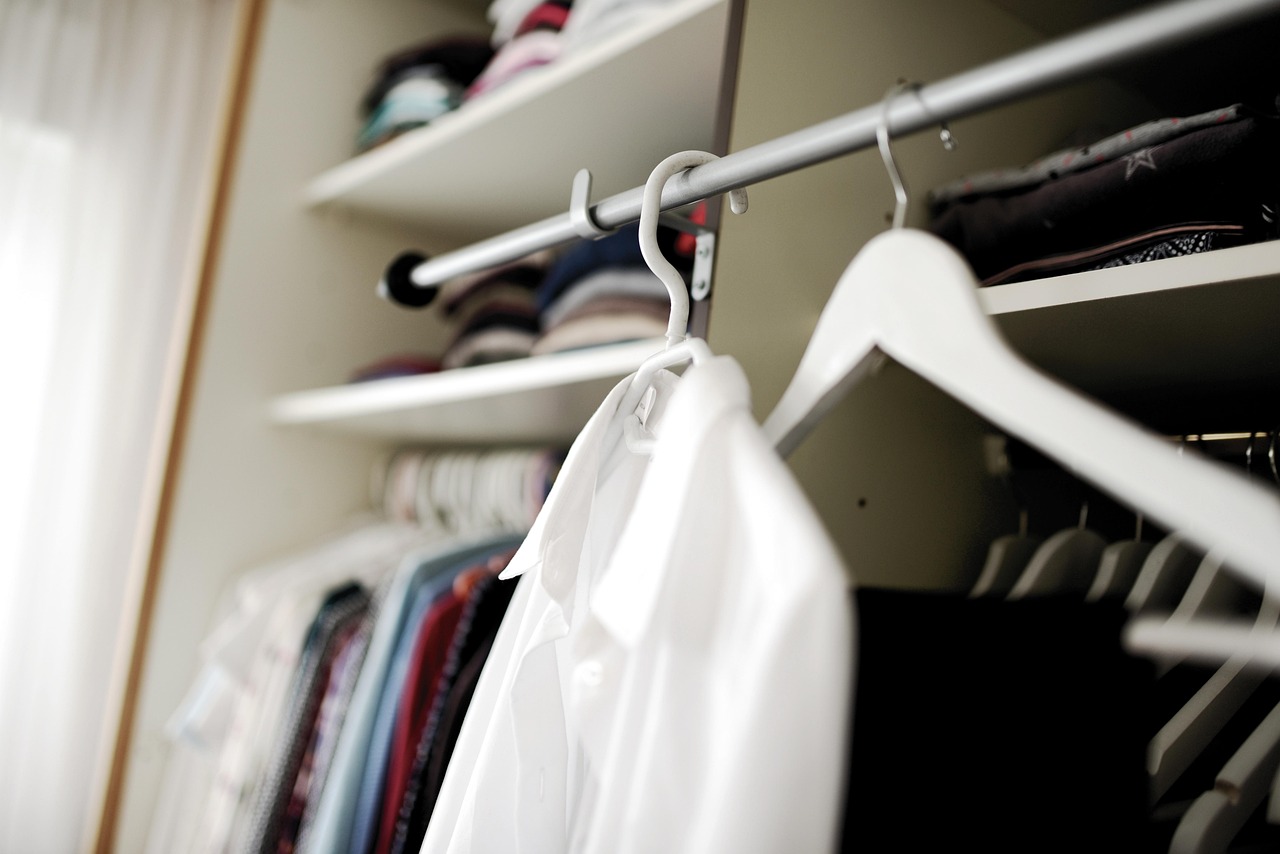
Don’t forget the door. A sliding door that sticks or a hinged door that swings into the room is a minor annoyance that buyers notice. If you’re doing a closet update, consider a door that slides smoothly or a barn door style that adds a bit of character. It’s a small detail that can elevate the whole room.
For DIY-friendly homeowners, I’ve seen good results with adjustable shelving kits from brands like IKEA or Rubbermaid. They’re affordable, easy to install, and look clean when done right.
Real-World Examples: Closets That Helped Sell a Home

Let me share a few real examples from my experience that illustrate what we’ve been talking about.
Example 1: The Simple Walk-In That Won the Day
A client had a 3-bedroom ranch in a suburban neighborhood. The master bedroom had a small reach-in closet, and the house had been on the market for two months without serious offers. We added a simple walk-in closet by taking a small slice of an adjoining home office that was rarely used. The build cost about $2,000, including basic shelving and a nice light fixture. The house sold within three weeks for $8,000 over the previous listing price. The buyer specifically mentioned the closet as a deciding factor.
Example 2: The Reach-In That Didn’t Cut It
A different seller tried to get top dollar for a home in a competitive market. The primary bedroom had a standard reach-in with old wire shelving and no lighting upgrade. Similar homes nearby with walk-ins were selling quickly at higher prices. This home sat for over a month before the seller dropped the price. The lesson? In a market where walk-ins are the norm, a basic reach-in won’t command the same premium.
Example 3: The Overdone Closet That Backfired
One of the most memorable examples was a 4-bedroom colonial where the owner had spent $12,000 on a luxury walk-in with custom cabinetry, a chandelier, and a seating area. The problem? The closet took up so much space that the bedroom itself was barely larger than a standard reach-in closet. The home felt unbalanced, and buyers didn’t bite. After six months on the market, the seller had to discount significantly. It was a clear case of over-investing in the wrong feature.
Budgeting for Maximum Impact: Where to Spend and Where to Save
If you have a limited budget for a closet renovation, here’s how to allocate it for the best return on investment. This is based on what I’ve seen work repeatedly.
Spend On
- Quality shelving ($500–$1,500): Invest in sturdy shelving that can handle the weight of clothes and accessories. Adjustable systems are a smart choice because they appeal to different users.
- Good lighting ($200–$400): This is the single most impactful upgrade. LED strips, a nice pendant, or motion-sensor lights make the closet feel luxurious and functional. Travelers who need a quick improvement might consider closet LED lighting kits for an affordable, high-impact update.
- Neutral colors and finishes ($100–$300): White, beige, or light grays work universally. They make the space feel larger and don’t clash with anyone’s taste.
Save On
- Custom millwork: Unless you’re in a luxury market, buyers won’t pay extra for intricate custom cabinetry. Stick with modular systems that look clean.
- Exotic materials: Marble counters, leather shelving, or hardwood floors in a closet are overkill. They add cost without a proportional return.
- Built-in seating or vanity areas: These can be nice, but they take up space and don’t add universal appeal. Save the square footage for storage.
Priority List for a $1,000 Budget
- Lighting ($300): Install a combination of overhead and task lighting.
- Shelving system ($500): Choose a modular kit that can be configured for hanging, folded, and accessories.
- Paint and hooks ($150): Refresh the walls with a light color and add a few hooks for bags or belts.
- Storage accessories ($50): Simple drawer dividers or velvet hangers finish the look.
If you have more to spend, consider a door upgrade or additional shelving for shoes. But stick to this priority order for the best impact per dollar.
Final Verdict: Is a Closet Renovation Worth It for Resale?
Here’s my honest take: closet resale value is real, but it’s conditional. It’s not a guaranteed win, but when done right, it’s one of the smartest investments you can make in a home.
If your home lacks a walk-in closet in the primary bedroom and you’re in a market where that’s expected, it’s usually a good investment. The data and real-world examples back this up. If you’re adding a fourth closet to a two-bedroom home or upgrading a reach-in that’s already functional, skip it. The return won’t be there.
The key is matching the project to your market and your home’s context. Don’t over-customize. Don’t sacrifice bedroom size. Focus on good lighting, quality shelving, and neutral finishes. That’s the formula that works.
Ready to explore your options? Check out the resources below to get started on planning your closet upgrade. Whether you’re DIYing it or hiring a pro, the right decisions start with good information.